



Our editors curate highly rated brands that are first assessed by our rigorous ratings system. Buying through our links may earn us a commission—supporting the work we do. Learn more.
ASICS says it exists to “uplift the world through sport”, but how ethical is ASICS? Here we dive into the brand’s “It’s a Start” rating, which was published in April 2026 and may not reflect claims the brand has made since then. Our ratings analysts are constantly rerating the thousands of brands you can check on our directory.
‘Sound body and mind’, but how are its ethics?
Sportswear brand ASICS was founded in post-war Japan in 1949, originally manufacturing basketball shoes but expanding to activewear and accessories in the decades since. ASICS stands for the Latin phrase “anima sana in corpore sano”, which translates to “sound mind in a sound body”. But our minds can’t rest about the brand’s sustainability performance, because while ASICS has improved its rating from “Not Good Enough” to our middling score, “It’s a Start” in the most recent review, this major global brand still has big gaps where important issues like living wages are concerned.
ASICS’ states on its website that its key sustainability goals are reducing carbon emissions and increasing recycled materials, but in 2026 this feels like a narrow and rather dated scope, when you consider the urgency of many other key issues like reducing our reliance on synthetics altogether, ensuring the wellbeing of workers in the supply chain, and, particularly for brands making sneakers, eliminating hazardous and solvent-based chemicals from production.
So how exactly are ASICS’ efforts affecting people, the planet, and animals? We ask, how ethical is ASICS?
Environmental impact
ASICS has improved its score in this rating pillar from “Not Good Enough” to “It’s a Start”.
It uses some lower-impact materials including those recycled options it stated it wants to increase, but since the brand doesn’t publish an aggregate breakdown of the materials used, we can’t tell what proportion of its product mix they make up. At the same time, we see that a high number of ASICS’ products contain synthetics but it doesn’t appear to have initiatives in place to minimise the impact of microfibres, which are released from some synthetic fibres during washing. For an activewear brand whose clothes are likely laundered by customers regularly, this is a gap it needs to address. ASICS does work to manage water use in its supply chain, it operates a take-back scheme, and it provides some training on circularity to its designers, which are all steps in the right direction.
While ASICS has set a science-based target to reduce greenhouse gas emissions in both its direct operations and supply chain, there’s no evidence it is on track to meet it. The brand needs to strengthen its transparency here, since emissions are one of its key sustainability talking points.
Labour conditions
Our latest review found that ASICS’ efforts for labour conditions have improved somewhat, and the brand now scores “It’s a Start” for this pillar: up from our second-lowest “Not Good Enough”.
ASICS has some initiatives in place to ensure security and safety for those in its supply chain, such as providing financial security for its suppliers, which can help with making improvements to facilities and minimise the impacts of unstable contracts, such as overtime or lost work. There’s also an internal grievance mechanism so workers can anonymously report concerns. And some of its final stage is located in countries with a lower risk for labour abuse or certified facilities, though without an aggregate breakdown of suppliers (which the brand hasn’t shared), we can’t tell how much of its supplier network these make up. ASICS has also ensured its code of conduct covers ILO principles.
But there’s one glaring issue with ASICS’ labour performance: we found no evidence to show it’s paying living wages to workers across its supply chain. People are the heart of the fashion industry. They cut and sew together the clothes we wear, and so much more, and they deserve to live dignified lives. We urge ASICS to take action on this crucial aspect of sustainability.
Animal welfare
ASICS hasn’t improved its “Not Good Enough” score for animal welfare in this latest review.
While the brand has published a general statement about minimising animal suffering, it doesn’t have a formal animal welfare policy, nor has it made any commitments to eliminating animal-derived materials from its products or certifying its leather production. The brand did stop sourcing kangaroo leather for its shoes in 2025 after other competitors in the industry also halted the use. And while ASICs has a policy to source wool from non-mulesed sheep, it doesn’t provide any evidence to verify its claims.
We note the brand uses leather, wool, and down, and some of its leather is recycled. It doesn’t appear to use fur, angora, exotic animal skin, or exotic animal hair.
Overall rating: ‘It’s a Start’
Overall, ASICS rates “It’s a Start” (our middling rating) based on our assessment of the publicly available evidence on the brand’s sustainability performance.
It’s good to see a brand making improvements, and ASICS has some clear, good initiatives in place to help ensure stability for its suppliers. It has indicated that it wants to do more where circular materials and carbon emissions are concerned.
But let’s not forget: this is one of the biggest activewear brands in the world, and these actions don’t go far enough for a brand of its size. A brand with so much financial power can surely afford to pay a living wage to its workers, right? ASICS has shown it can make improvements to its sustainability performance, so we hope to see it continuing to make much-needed strides in these areas.
Note that Good On You ratings consider hundreds of issues, and it is not possible to list every relevant issue in a summary of the brand’s performance. For more information, see our How We Rate page and our FAQs.
Good swaps
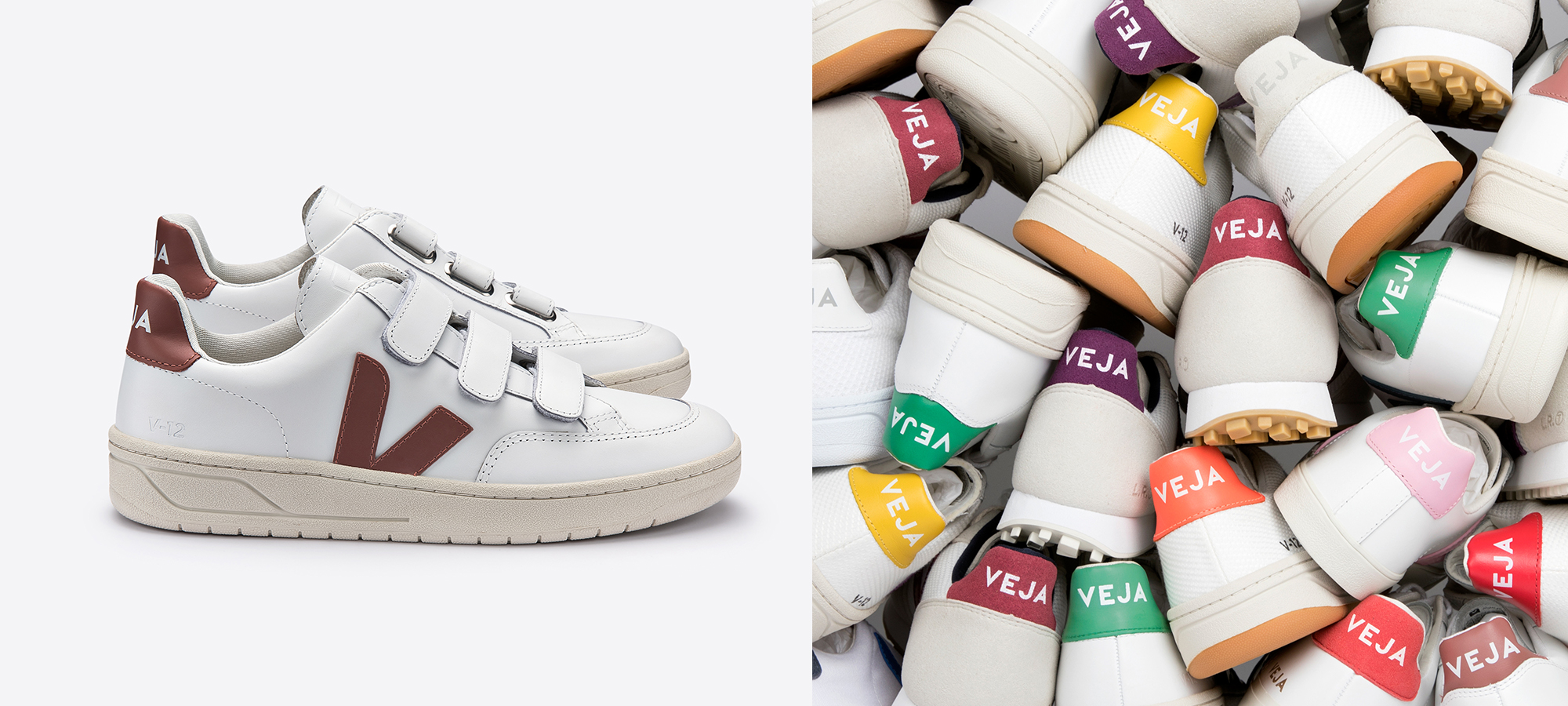
If you’d prefer to opt for higher rated activewear brands, check out these “Good” and “Great” alternatives to ASICS.