


Our editors curate highly rated brands that are first assessed by our rigorous ratings system. Buying through our links may earn us a commission—supporting the work we do. Learn more.
We rated more than 1,500 fashion brands in a tough year for more sustainable fashion. But it’s not all doom and gloom: there are some small brands doing the work to show what it means to function more responsibly in 2025. Read on to meet them, plus our round-up of the year in fashion news, and the brands to avoid.
2025 in fashion news
At the start of 2025, writer and Good On You social media manager Kyle Raymond Fitzpatrick made seven predictions for the year in more sustainable fashion, and looking back, many of them ring true.
Fitzpatrick proposed that fashion weeks, not brands, would lead change, and we saw that in January when London Fashion Week followed Copenhagen in adopting minimum sustainability requirements for Newgen brands. Also in the UK, Manchester Fashion Week relaunched with a focus on sustainability. Then in December, New York Fashion Week moved to ban fur from all runways, starting September 2026.
That ties in with another prediction about wider animal protections in fashion: more on that further down. The vintage boom has continued, as Fitzpatrick predicted, with Vinted launching its own TV show, among other growth indicators, and sustainability did become even more of an uphill battle.
But there’s good news from 2025 too, like the increase in governments looking to curtail fast fashion, and ongoing criticism of the business model itself. Here’s a quick run-through of the year in sustainable fashion.
Fast fashion tried (and failed) to improve its image
Barely a month went by when stories about ultra fast fashion’s ongoing race to the bottom weren’t in our news round-up. Most noteworthy this year were SHEIN’s failed attempts to file an IPO—it’s now looking at trying for the third time in Hong Kong, after plans in New York (in 2024) and London were blocked by campaigners and regulators. Late this year the brand launched a retail space inside Paris’ mid-to-high-end BHV department store in order to reach shoppers at a bricks-and-mortar level—and protests abounded. It came as the region introduced an anti-fast-fashion bill to curtail the retailer and those like it. Temu’s PR, meanwhile, emailed us to ask that we stop calling it ultra fast fashion, citing its functioning as a marketplace with “millions” of suppliers as the reason it isn’t…
Elsewhere, PrettyLittleThing attempted to erase its fast fashion background by rebranding and wiping its social media, noting its new collection would “redefine accessible luxury for a new generation,” but many saw through the overhaul. Another brand looking to improve its reputation was Princess Polly, whose B Corp certification in August largely backfired and drew most media attention to the integrity of the corporate responsibility certification. And while many hoped that Topshop’s relaunch would set an example of fast fashion reform, the brand disappointed with a range packed with polyester. Vogue’s sustainability editor Emily Chan wrote: “For Topshop’s comeback to be truly successful, sustainability has to be taken seriously—it’s no longer optional.”
Governments attempted to curtail ultra fast fashion
Regulators and prosecutors are taking more notice of the impacts of ultra fast fashion brands and are moving to hold them accountable. In Texas, the attorney general is investigating SHEIN, while Italy fined it €1m for greenwashing back in August—less than a month after a €40m penalty from France for deceptive practices. More recently, the region has been attempting to suspend SHEIN’s website. France has been a leader in challenging the fast fashion industry, approving a new bill in June that will aim to tax some of the brands responsible and ban their advertising. Other countries are making similar recommendations.
More questions arose over luxury supply chains
We heard allegations of labour abuse in the supply chains of Dior, Loro Piana and Giorgio Armani in 2024, and this year Tod’s has been facing scrutiny, with prosecutors seeking an advertising ban after it was alleged that brand executives were aware of exploitation in subcontracted factories. In July, Loro Piana was placed into court administration over alleged worker exploitation, and in December, Italian police visited 13 high-end brands to request documents about their supply chain after garments and subcontracting documents were found in workshops that were already being looked at for alleged labour exploitation on behalf of other brands. None of the 13 brands are under investigation at this time.
The industry moved closer to excluding fur
New York Fashion Week isn’t the only fashion business taking fur off the runways: Rick Owens has committed to doing so as well. The designer is known for his leather designs, and while it’s not an outright ban on animal-derived materials, removing fur from collections is a step in the right direction. And Poland, the world’s second largest fur producer (behind China), just initiated a law banning fur farming.
Major fashion publications also banned fur from their pages this year, with Hearst (which owns Harper’s Bazaar, Esquire, and more), and Condé Nast (Vogue, GQ, World of Interiors, and more) both finally prohibiting the promotion of animal fur.
Geopolitical crises had a major impact on more sustainable brands
Back in April, Kenneth P. Pucker wrote for the Business of Fashion that a perfect storm of sluggish growth, cost-cutting, greenwashing concerns, and President Trump’s tariffs spelled danger for the sustainable fashion industry. It echoes what we’ve heard from more sustainable brands in our network all year: rising costs, inflation, and shipping challenges are among some of the biggest issues they’re facing, and we’ve seen an increase in brands saying they need help.
It’s why we keep on sharing details of the small brands working to do better—they often top our analysis of the most sustainable in our directory, and yet they’re facing the biggest hurdles. To that end, read on to discover the 10 highest rated brands of the year.
The role of Good On You’s ratings
A growing number of shoppers are better than ever at seeing through shallow and untrue claims in the industry and are using their voice to demand positive change. As fashion’s leading source of brand ratings, we’ve observed more and more consumers checking the big brands’ records and opting to go secondhand or support more sustainable, independent designers.
With over 7,000 fashion brand ratings now live on the directory and in the app, and more coming regularly, it’s easier than ever to compare brands’ impacts on the issues that matter most. But for those wondering who the standouts are on both ends of the spectrum, this survey highlights the brands that score the lowest and the highest based on our world-leading methodology.
And finally, onto the list—here is our roundup of the best and worst fashion brands of 2025.
10 of the worst rated brands “We Avoid”
Of the 1,502 fashion brands rated in 2025, 97 of them scored zero. That’s more than double the 48 in 2024. Unfortunately, many brands aren’t transparent and are scoring as low as possible because we have little to no information about their impacts. These brands get no points, and they’re sitting below businesses that are also bad, even if they receive a small amount of points for disclosing some information (like Temu, for instance, which scores just three points).
These 97 brands also includes some luxury brands, which by their nature may not have the same issues in their supply chain, but have the same responsibility to be transparent. And unfortunately, many are not.
The list also includes fast fashion brands that create cheap clothing at breakneck speeds. They are making no headway or concrete effort for people, the planet, or animals across the supply chain and are notorious for poor quality clothing that often ends up in landfill after just a few wears. Some of them, like Forever 21, have gotten worse in their most recent review. The brand’s score dropped from 11 to zero, for instance, as did Fashion Nova, which dropped from three to zero. Here are 10 of the 97 brands that scored zero points and are rated “We Avoid”.
- Forever 21
- Fashion Nova
- Furla
- Lee Cooper
- Twinset
- Philipp Plein
- Antony Morato
- Undefeated
- André
- Gas Jeans
10 of the highest rated fashion brands doing “Great”
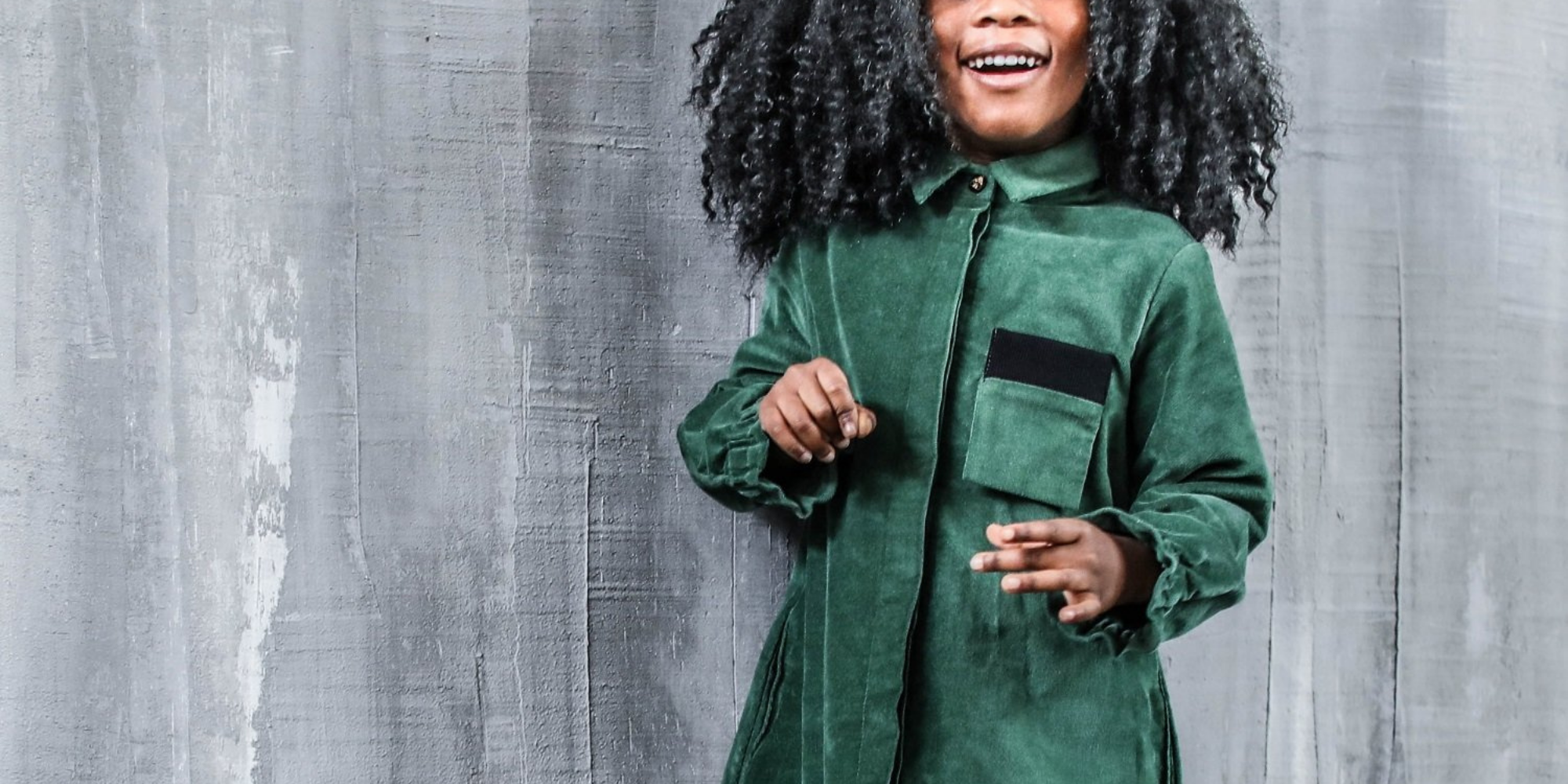
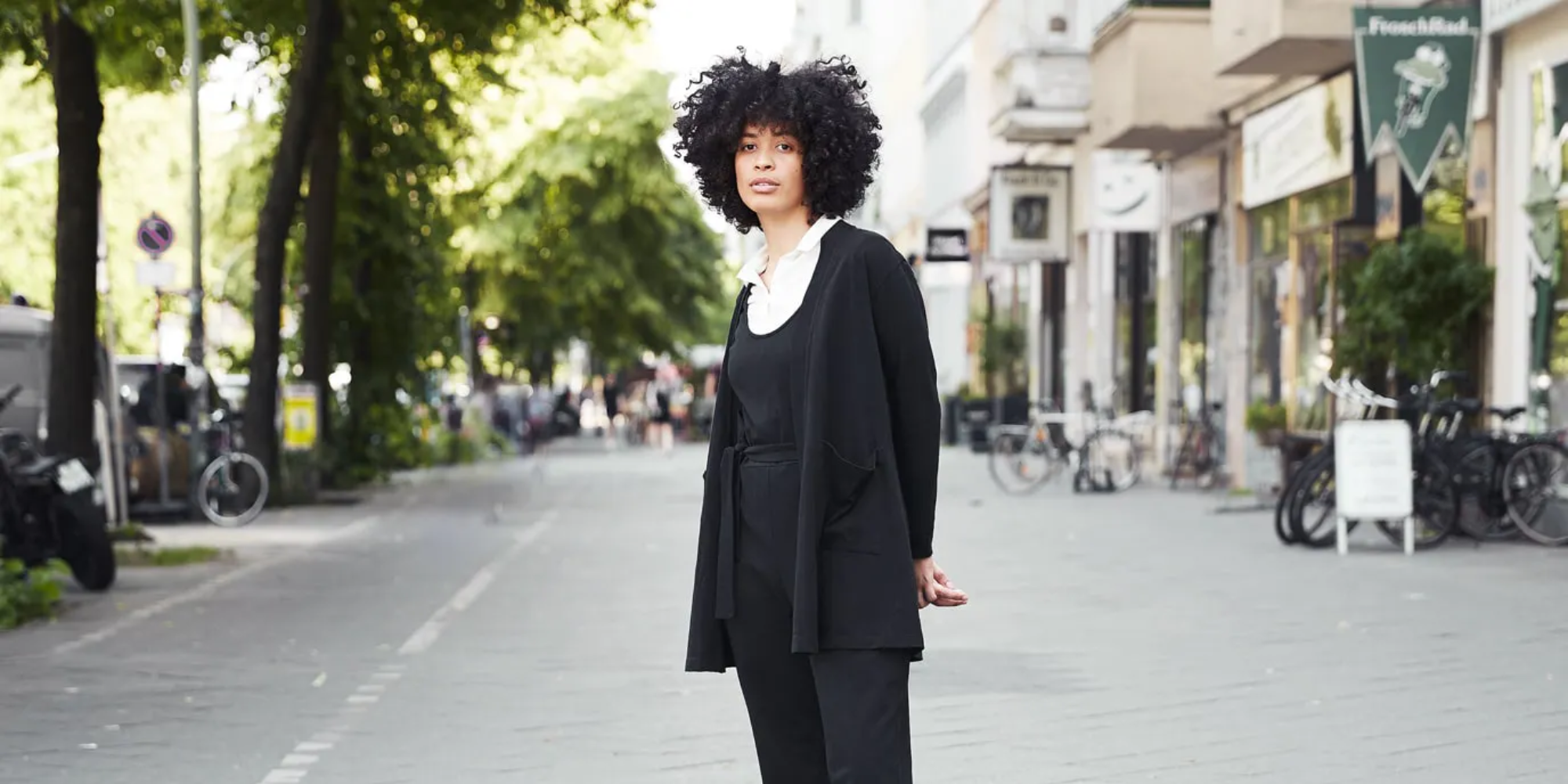
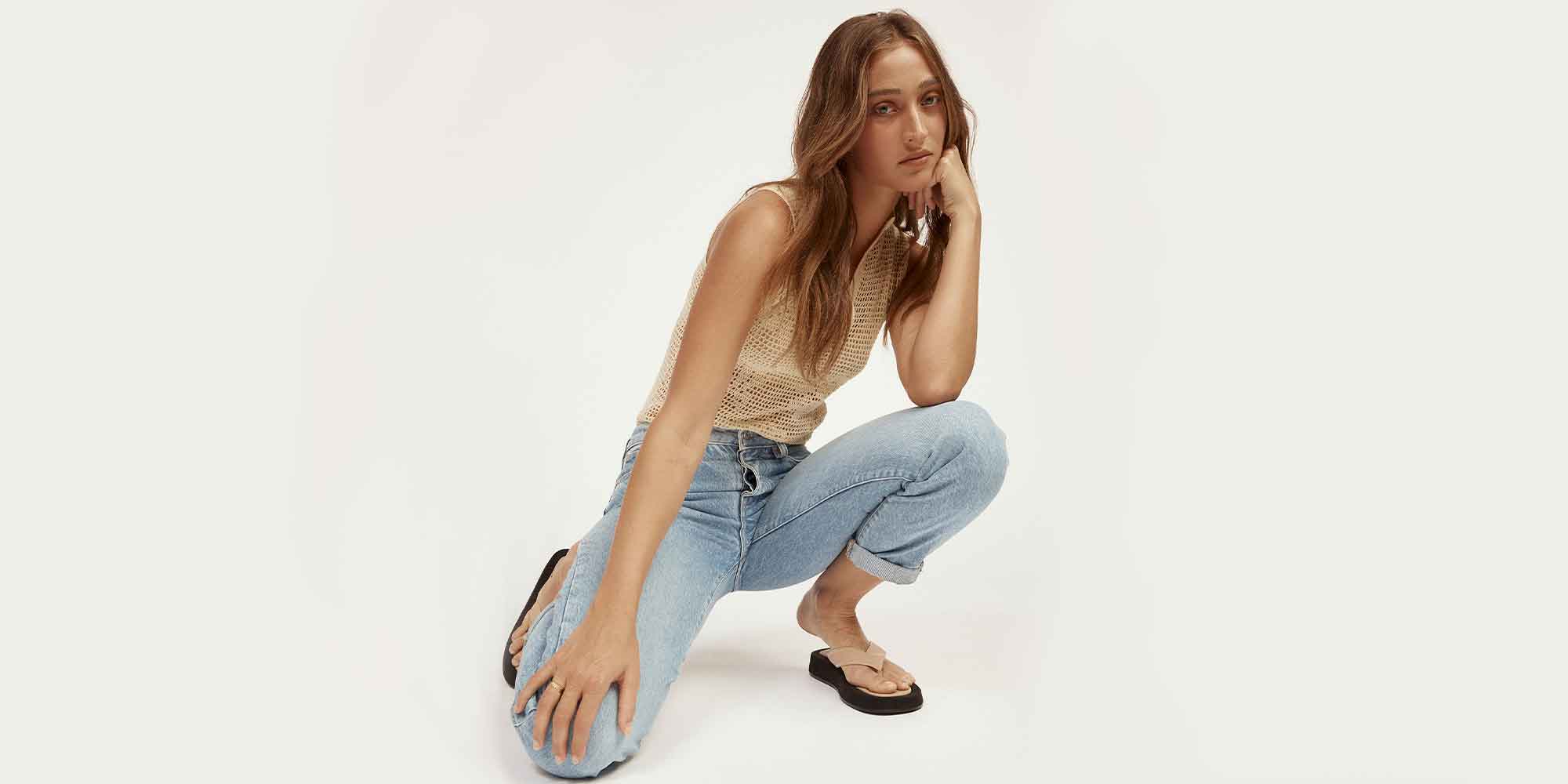
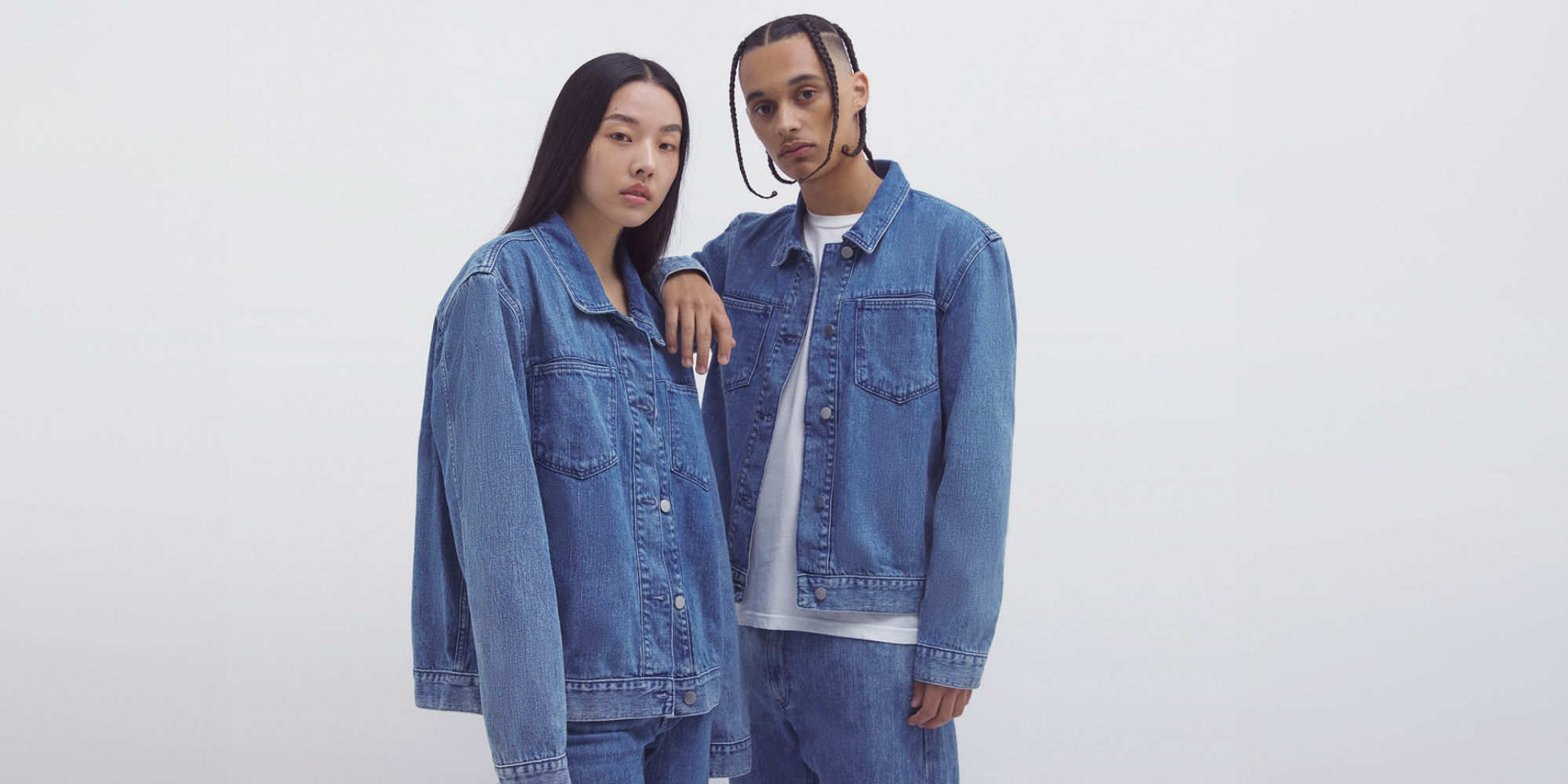
These are 10 of the highest rated brands of 2025 that deserve your support, all scoring highly across the board for their efforts. All the brands in this list are small, just like last year and the one before: it’s clear that the largest brands with the most power to effect change simply aren’t playing their part, while smaller labels are putting in the work.
While a “Great” rated brand isn’t perfect, and there are countless micro brands out there we haven’t rated yet that are undoubtedly ahead of the curve, too, the brands rating at the high end of our rating system, like those listed below, are making solid progress.