




Our editors curate highly rated brands that are first assessed by our rigorous ratings system. Buying through our links may earn us a commission—supporting the work we do. Learn more.
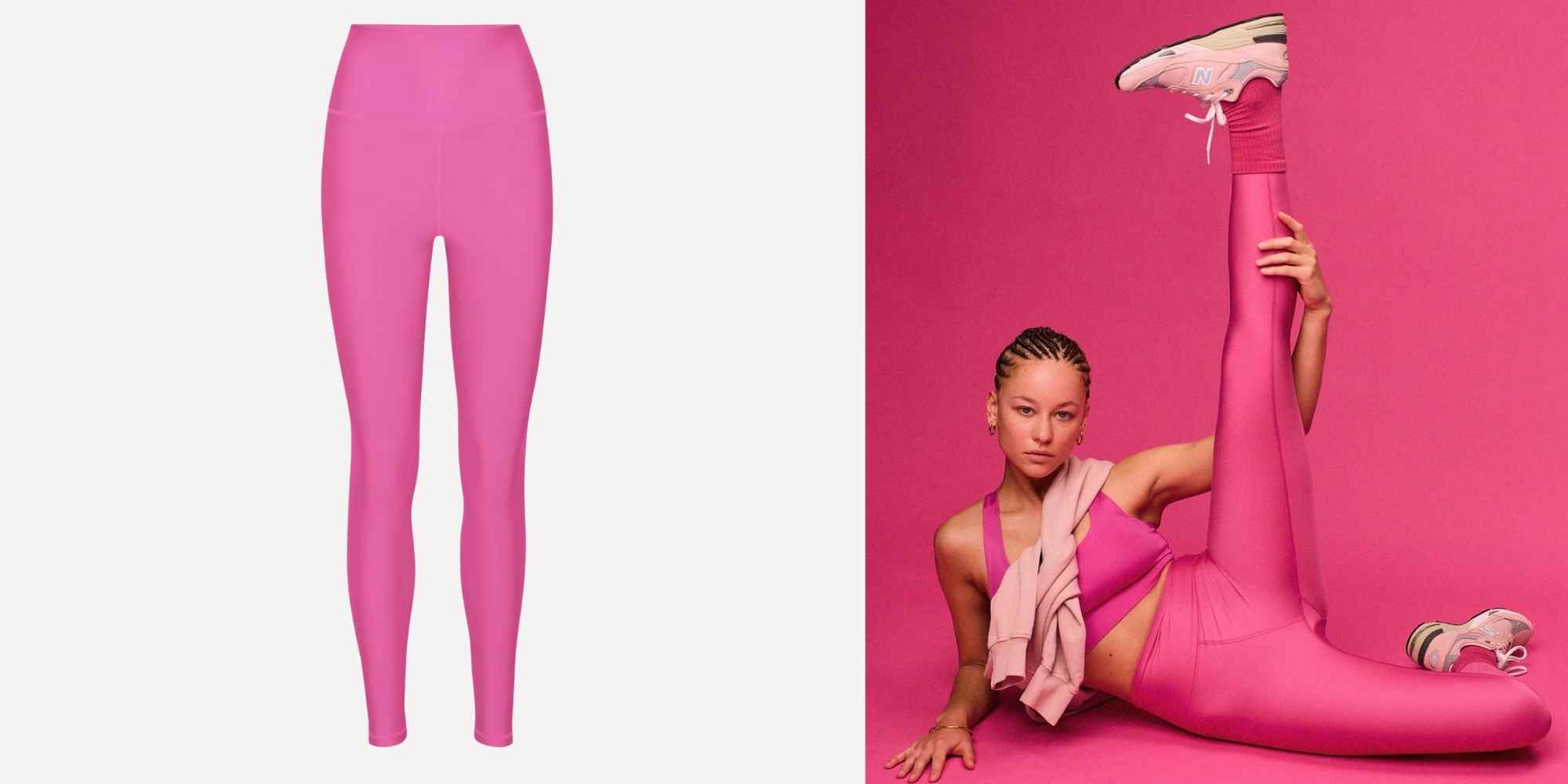
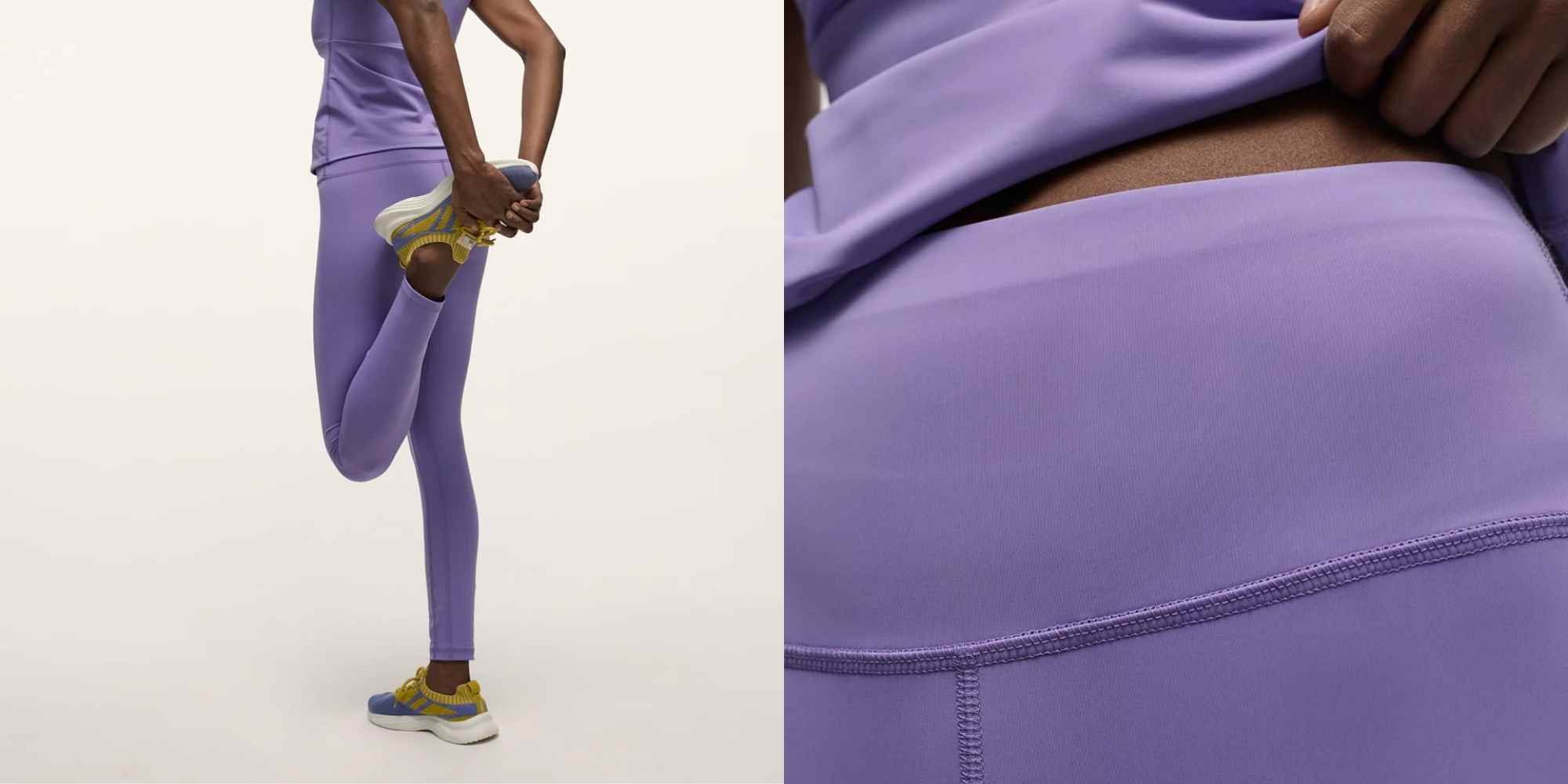
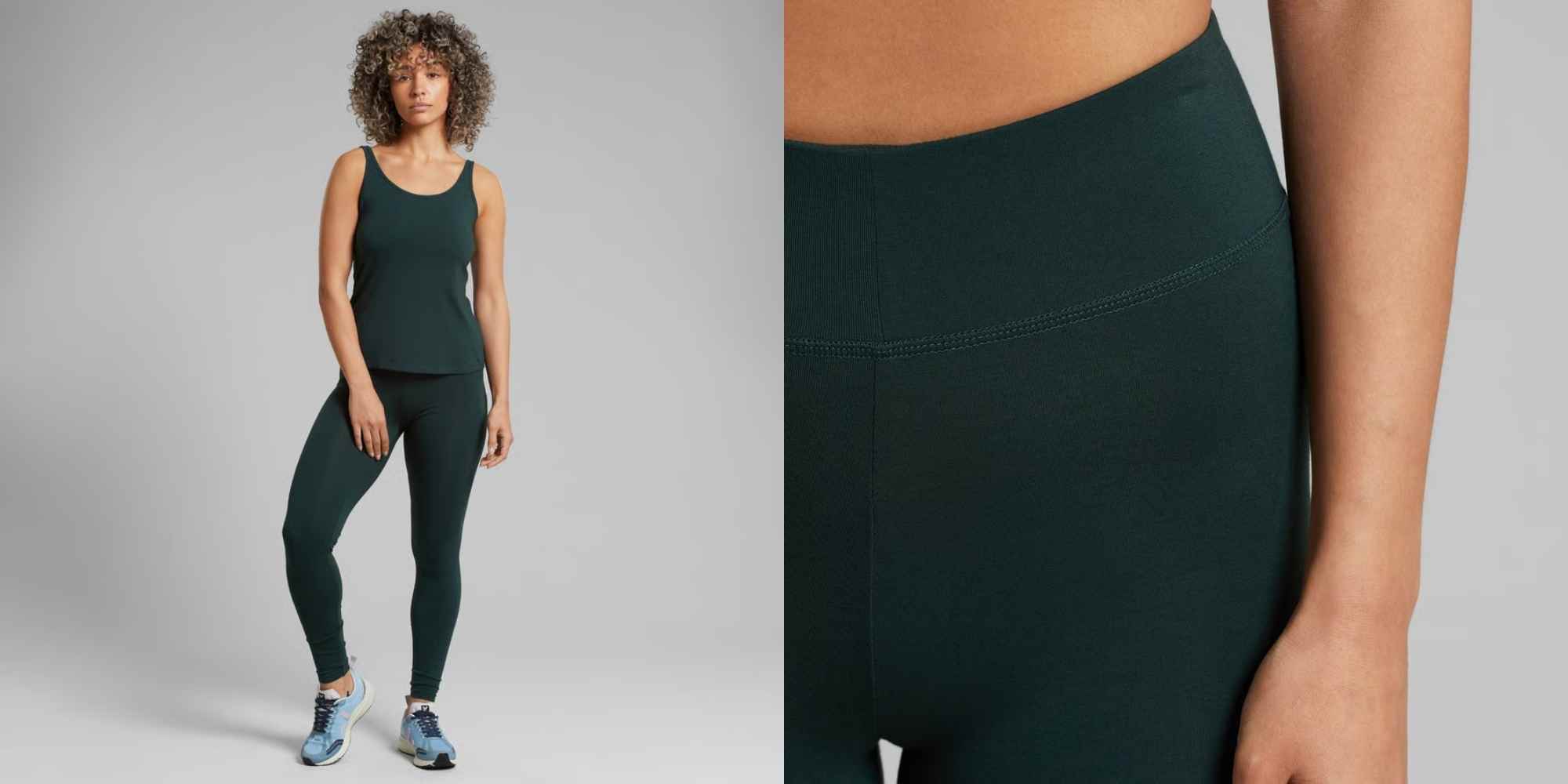
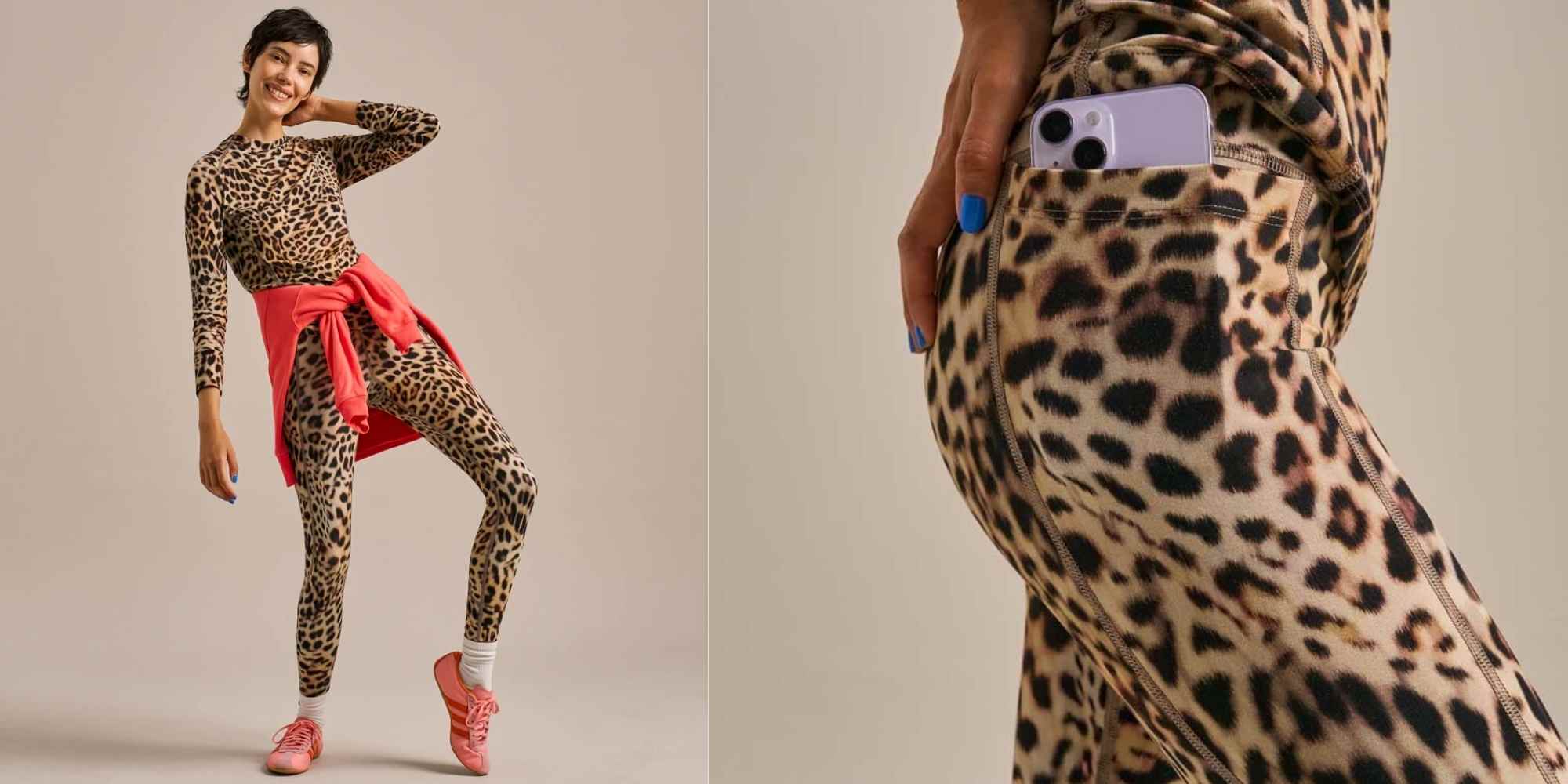
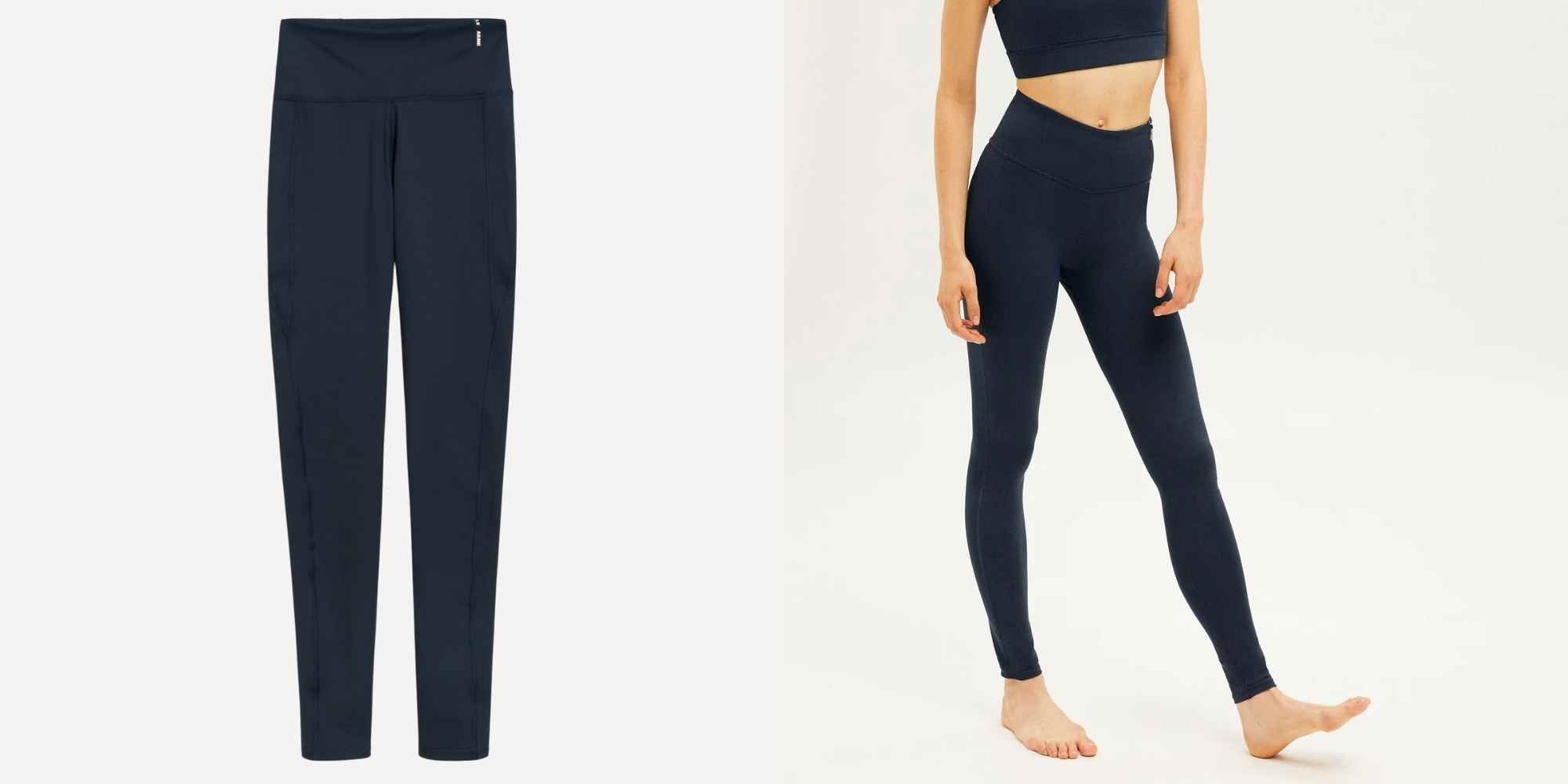
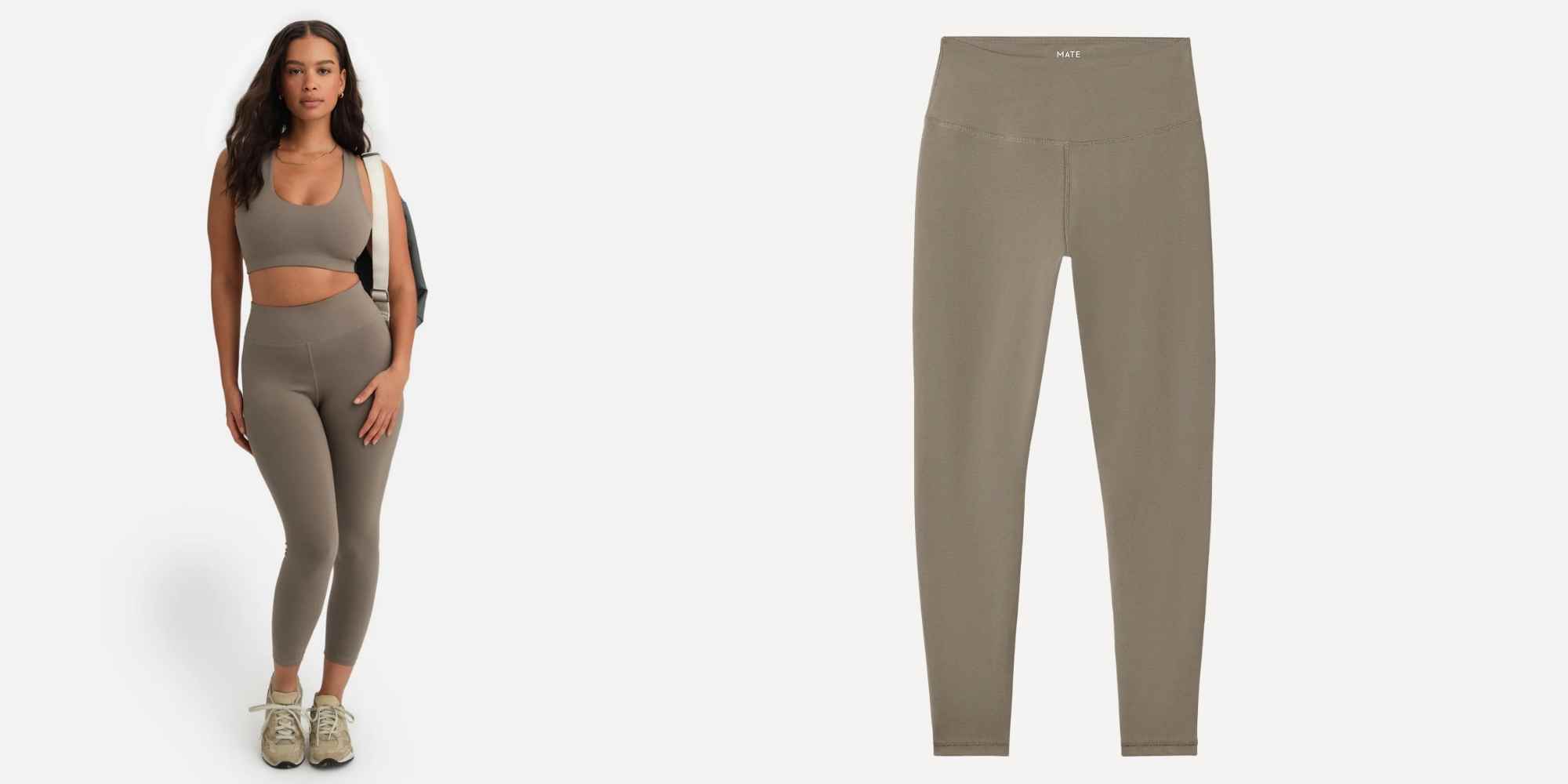
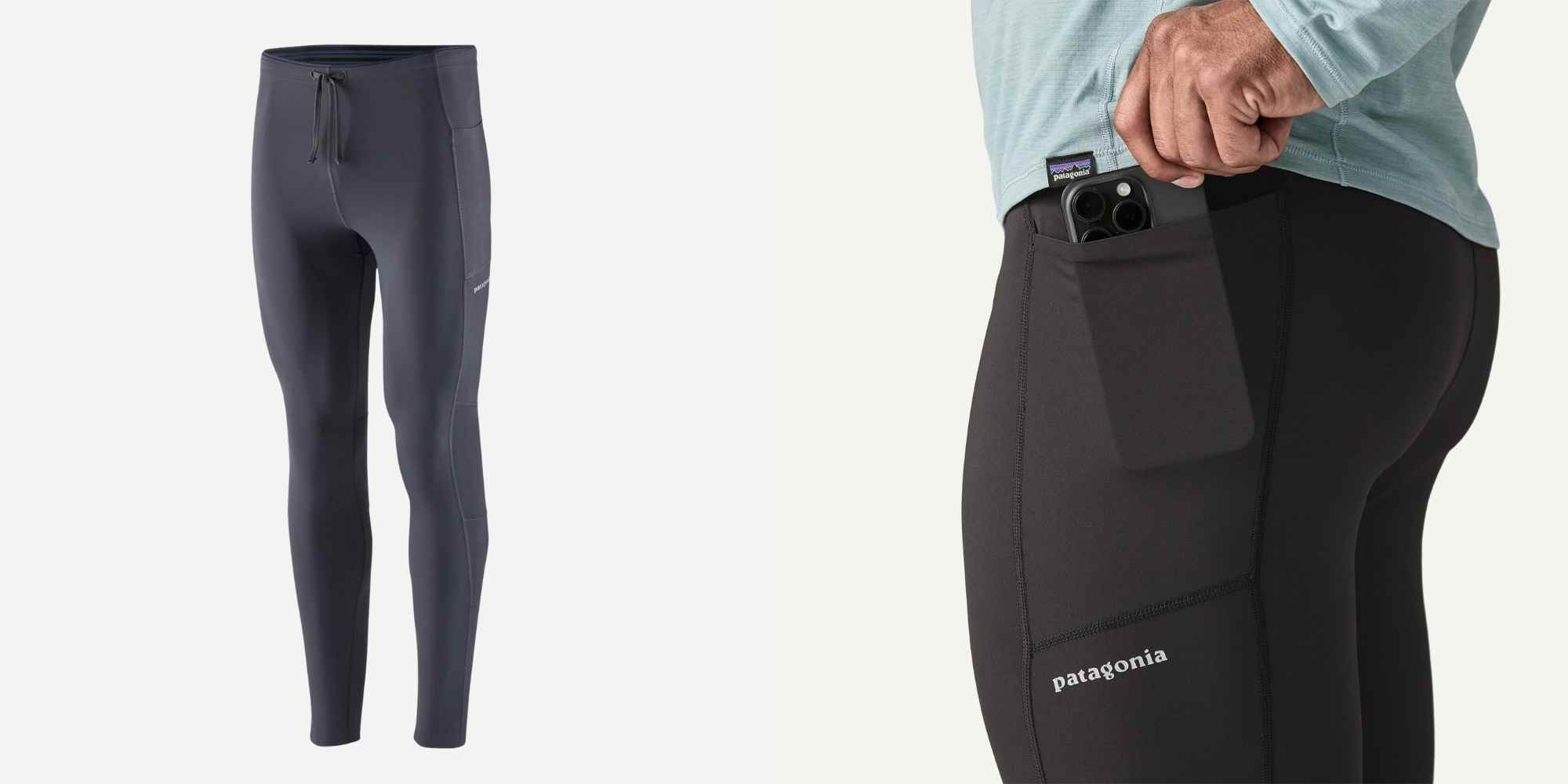
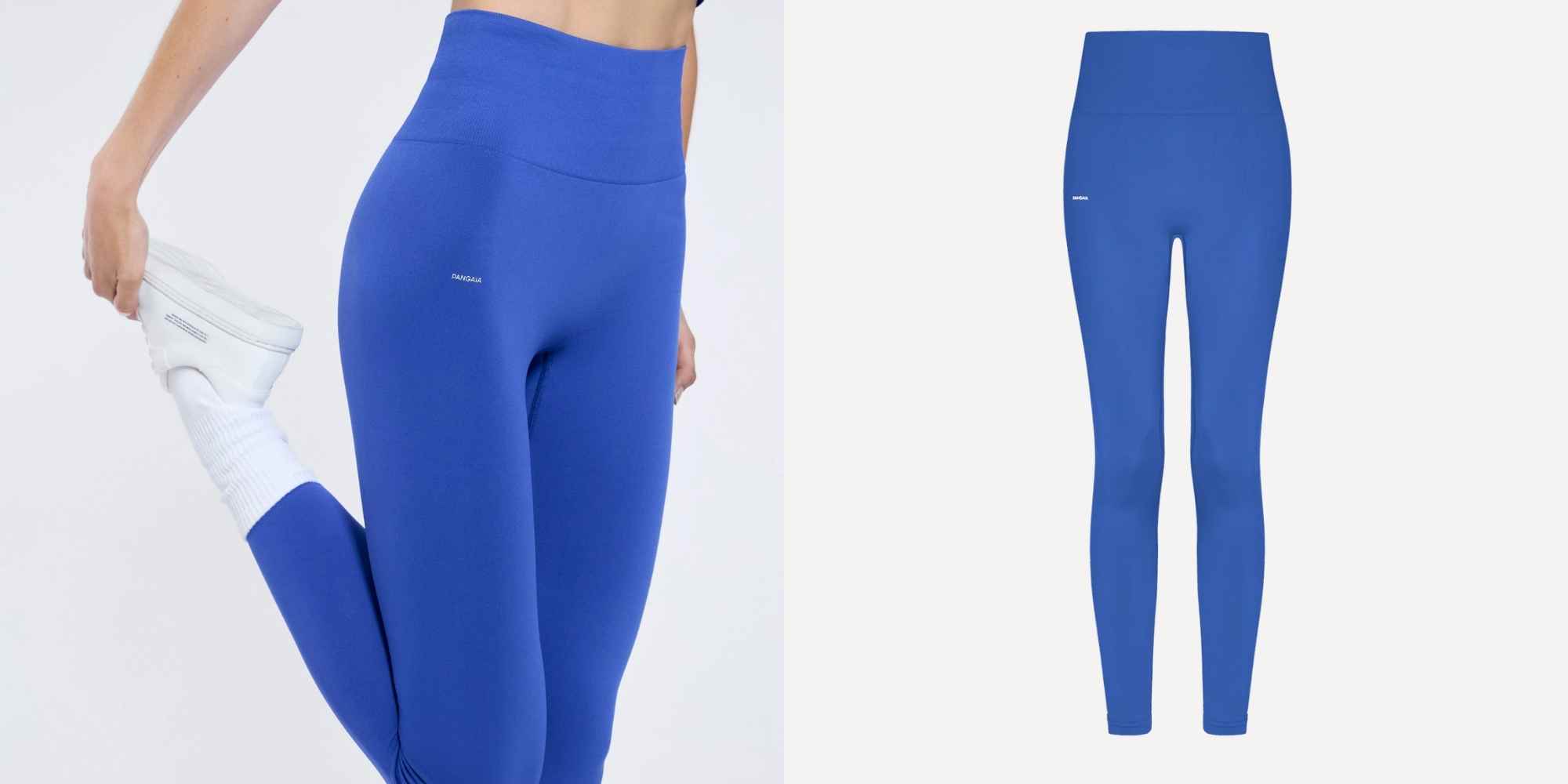
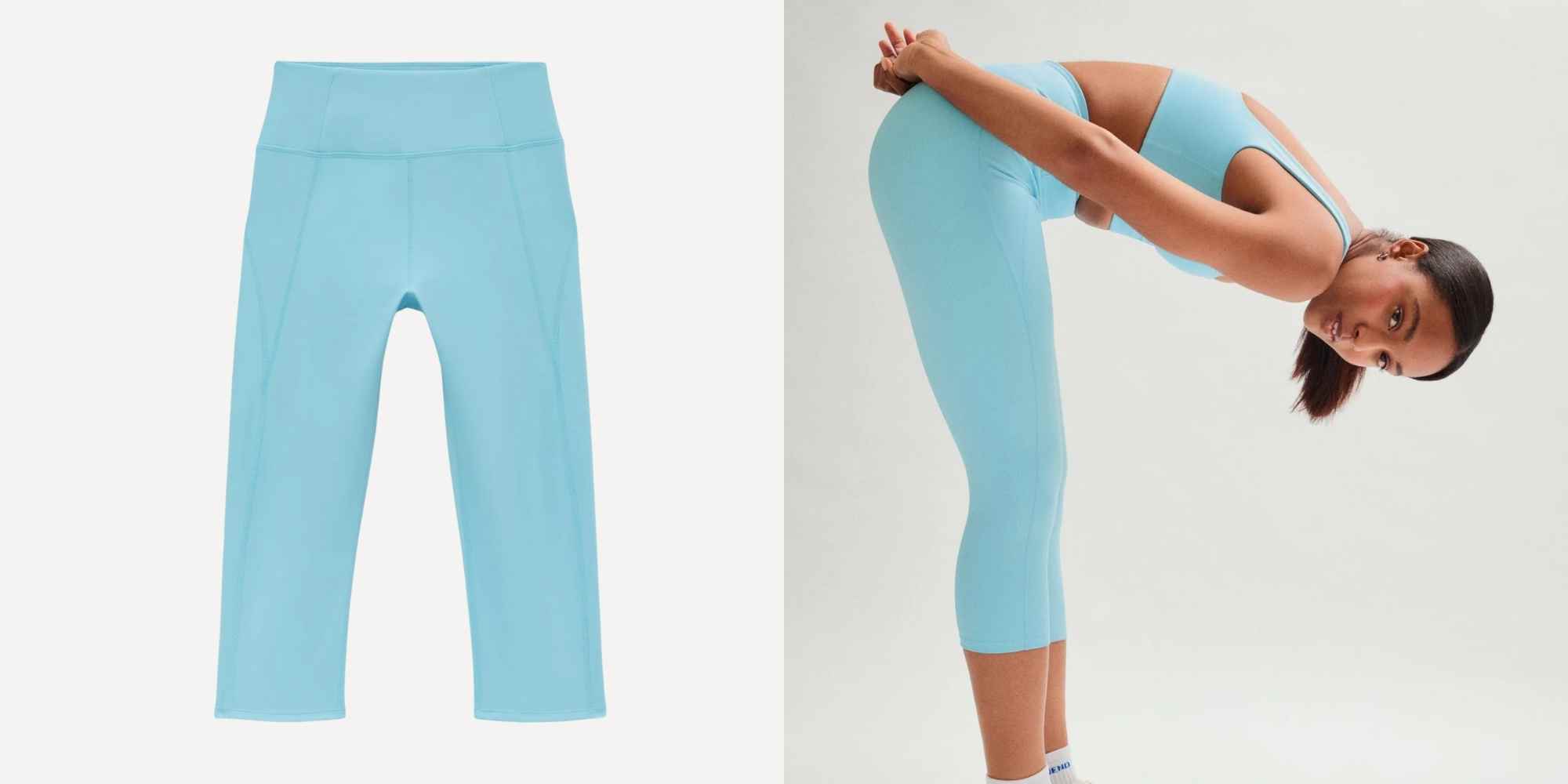
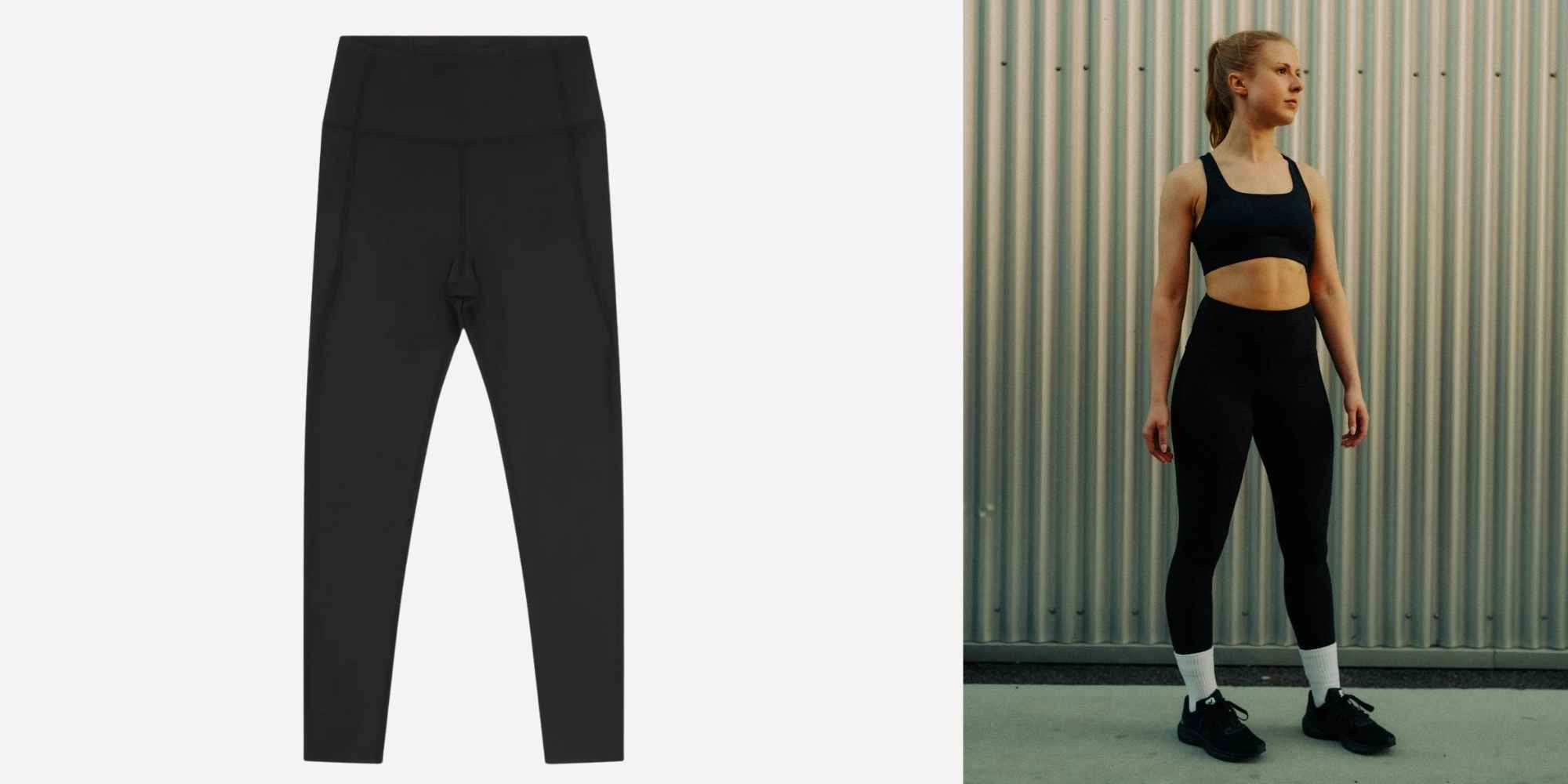
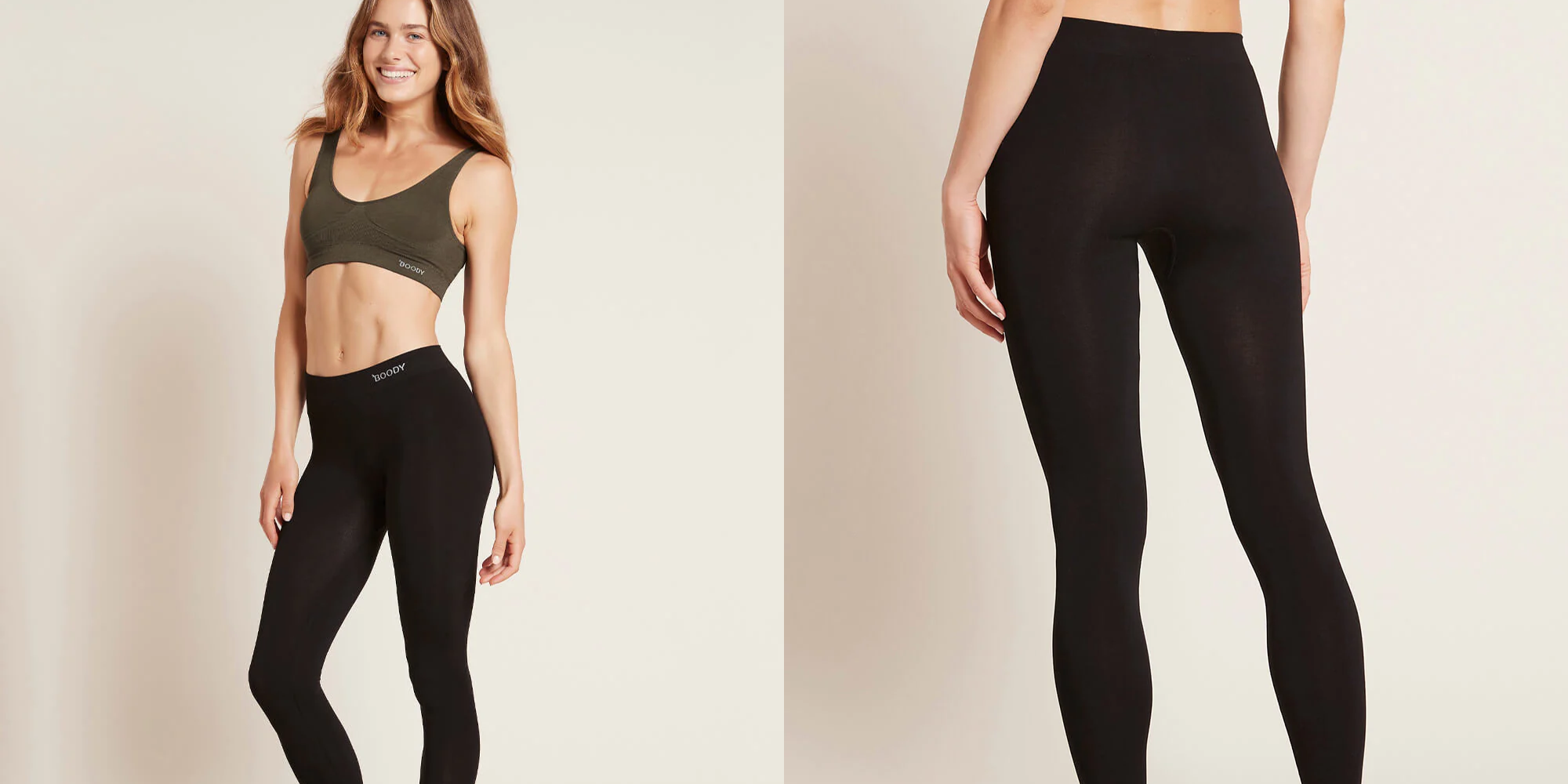
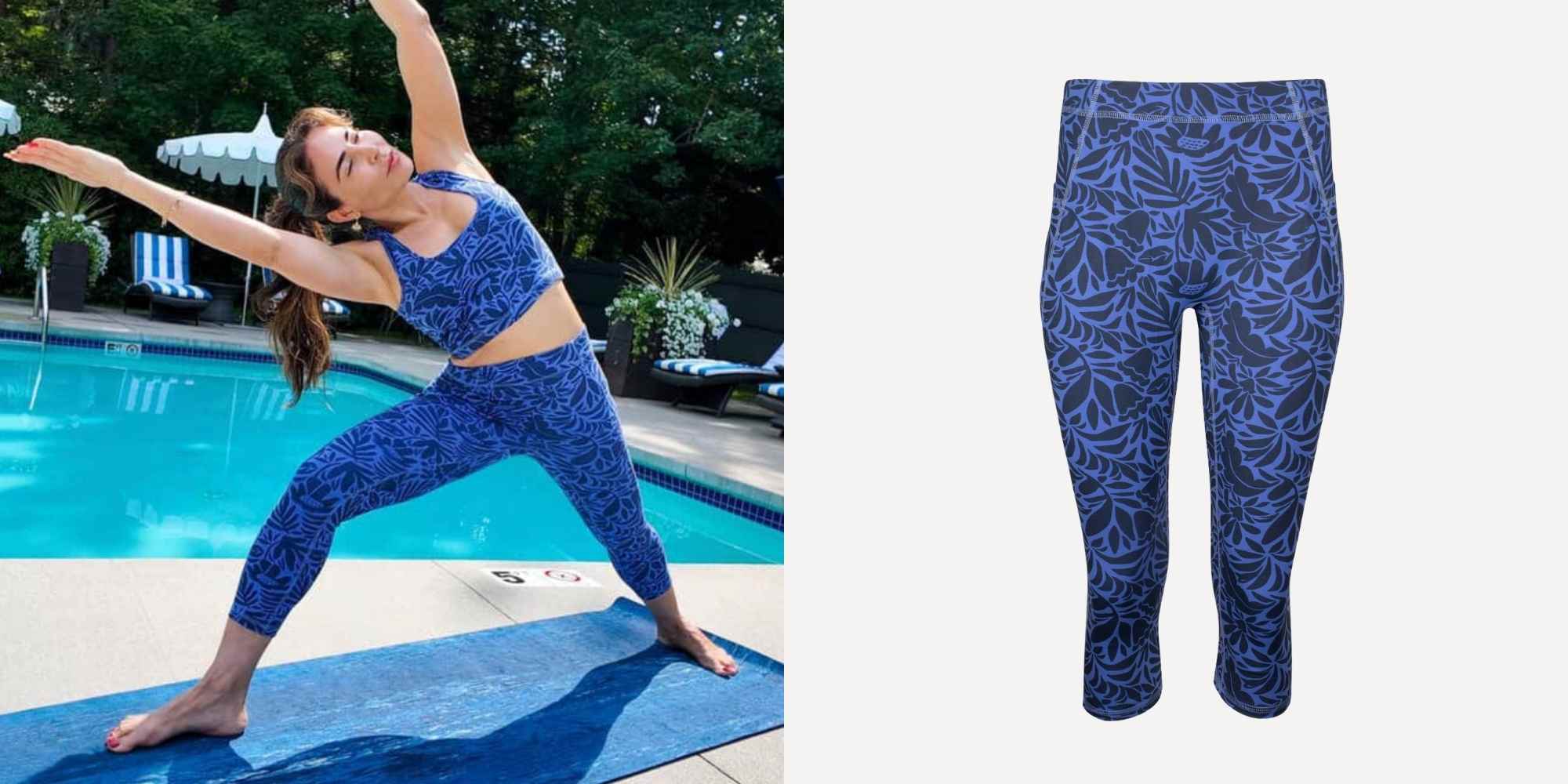
Lululemon leggings have been all the rage in recent years. Seventeen Magazine even called them “necessary life investments”—say what?! While we can’t deny the technical qualities or comfort of the leggings in question, Lululemon has work to do when it comes to transparency and impact. So, we went on the hunt for the best more sustainable alternatives to Lululemon leggings and yoga pants. If you’re on the lookout for a pair of leggings, browse our list below to discover some of our favourite more responsible activewear brands.
What’s wrong with Lululemon leggings?
Lululemon is a high-end activewear chain that offers yoga-inspired athletic apparel for most sweaty pursuits. The brand claims to be dedicated to sustainable practice. But we found it was a bit of a stretch to call it ethical—based on information from our own research, our most recent review gave Lululemon an overall rating of “It’s a Start”—that’s an improvement on years past, but it still needs to do better.
When it comes to labour, we’re glad to see some level of transparency in the supply chain, but Lululemon still falls short. If the brand can’t evidence that all of its employees and workers through its supply chain are being paid a living wage, then it’s simply not good enough to be considered truly ethical conduct.
On the environment front, we’d like to see more action. The brand uses some more responsible materials including recycled options, but we found no evidence it has initiatives to minimise textile waste in manufacturing, or to protect biodiversity in its supply chain. Lululemon’s leggings, in particular, are mostly made of polyester, nylon, and lycra, all synthetic materials derived from crude oil that shed microfibres.
As you might already know, synthetic fabrics have a huge carbon footprint, requiring enormous amounts of energy, water, and toxic dyes to create. Plus, they take years to decompose, if ever. So if you happen to have Lululemon leggings in your wardrobe, use them for as long as you can and clean them in a wash bag, then find ways to upcycle them.
When it comes to animals, while Lululemon does not use fur, angora, leather, or exotic animal skin, there is no evidence it has an animal welfare policy. It uses down feathers accredited by the Responsible Down Standard, which is a plus, but it also uses wool and exotic animal hair without stating sources, so we can’t be sure how the animals are treated.
Lululemon has made a start in disclosing and addressing its impact, but it needs to do better. Luckily, there are tons of more ethical and sustainable brands that create conscious, comfortable, and stylish leggings.
These more sustainable alternatives to Lululemon leggings are more responsibly made, size-inclusive, and in the same price range as Lululemon’s—what more could you ask for?