



Our editors curate highly rated brands that are first assessed by our rigorous ratings system. Buying through our links may earn us a commission—supporting the work we do. Learn more.
Finding workwear that protects the people who make it and leaves a lower impact on the planet is tricky. A lot of the mass-produced stuff is mostly made of virgin polyester (read: plastic). Our editors have dug up some better brands worth exploring.
The challenges of finding more responsible workwear
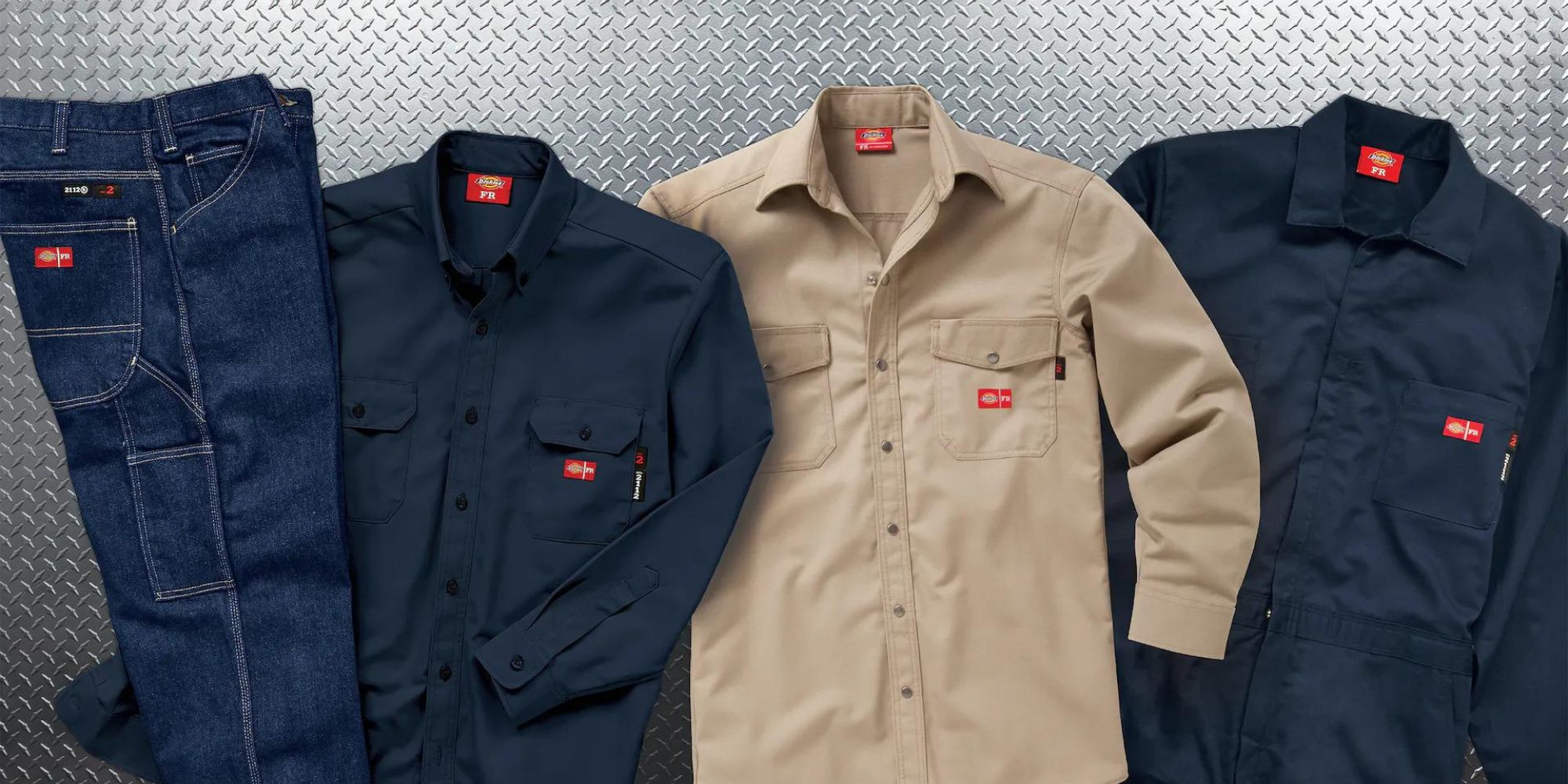
There are two kinds of workwear: there’s the actual gear that you might wear for construction that is reinforced, abrasion-resistant, and designed to help shield the wearer from injury as well as offering functionality like extra pockets, loops, and straps for holding items. And then there’s the fashion kind of workwear, which is what this guide is for.
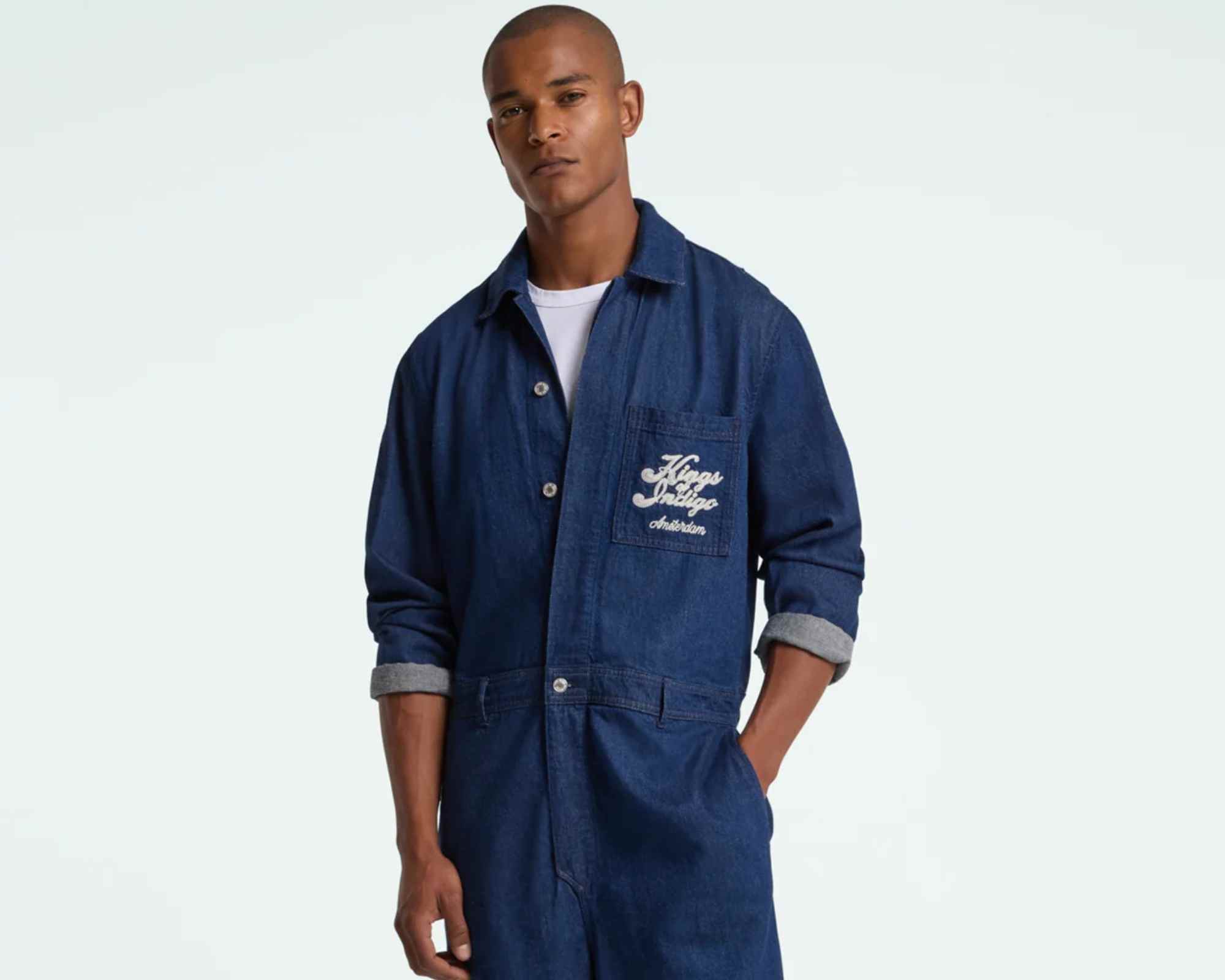
Fashion workwear doesn’t fall under the category of personal protective equipment but it does take inspiration from the designs and materials of the former. The term is sometimes used to describe heritagewear, too, and the category consists of heavy denim jeans and jackets, overshirts, overalls, thick-soled boots, and outerwear equipped for deepest winter.
Both kinds of workwear are designed for longevity and durability, which is a key principle of circularity. They’re often constructed with reinforcing details like metal rivets in stress points, flat-felled seams (like the ones on the inseams of your jeans), double-layered areas, and heavy or densely woven fabrics that’ll withstand lots of wear.
One of the major challenges in finding more sustainable workwear is synthetic fabrics. Polyester and nylon are very durable and won’t break down for hundreds of years, so in a way, it’s not surprising that the mainstream workwear industry today has opted to make long-lasting clothes out of them. But it’s not good. These fossil fuel-derived are made from petroleum, a non-renewable resource, and they emit significant greenhouse gases during production. They are essentially plastic, and they’re known to deposit microplastics when they’re washed and worn, not to mention the issue of not breaking down for a very, very long time.
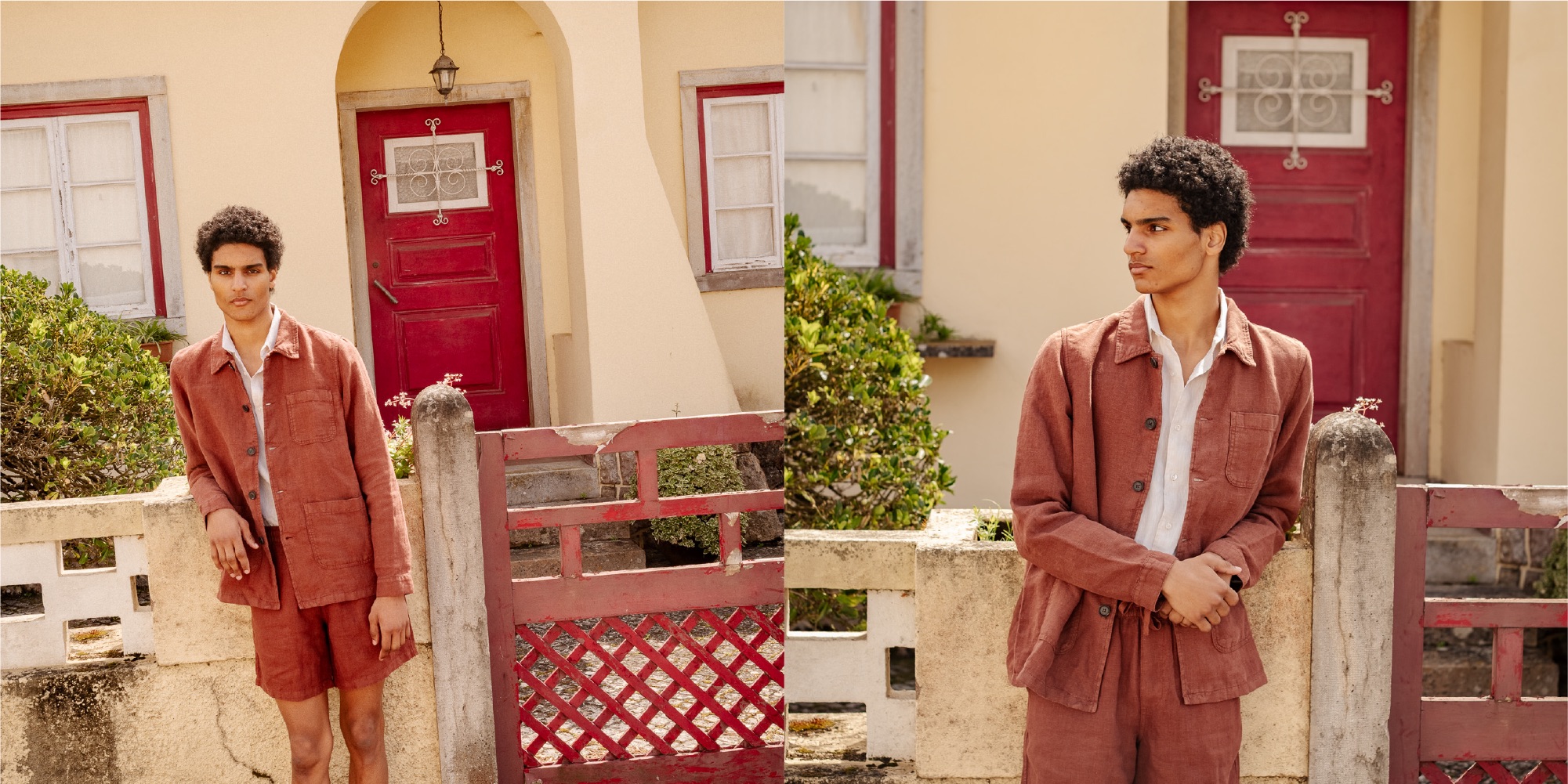
So, what are the alternatives? Organic cotton, hemp, and linen, when densely woven, can be really durable, and they’re often better for the environment because they can biodegrade if they haven’t been chemically treated, and they don’t require extensive processing. After all, the workwear industry boomed well before synthetic fibres were invented, so materials like cotton-canvas, cotton-duck, and cotton-twill clearly can withstand the demands of lots of wear and tear.
The reality is that for personal protective construction clothing, it isn’t easy to find non-synthetic clothes these days, and even if you do, they’ve often been treated with chemicals for water-repellence, for instance. If you’re searching for construction gear, we’d recommend seeking out surplus clothes or secondhand items, which are often still in good condition thanks to their durable design details.
And if you’re looking for more fashion-forward workwear, we’ve got some suggestions for you. Scroll on to discover the “Good” and “Great”-rated businesses that are making hard-wearing jeans, overshirts, overalls, trousers, and boots inspired by durable work gear.