


Our editors curate highly rated brands that are first assessed by our rigorous ratings system. Buying through our links may earn us a commission—supporting the work we do. Learn more.
As a family-owned, storied business producing clothes for longevity, Carhartt WIP should have the foundations of a more sustainable brand. But is it? Unfortanately, we rate it “Not Good Enough” because it isn’t taking enough responsibility for its impact. Scroll on to find out why.
This article is based on Carhartt WIP’s rating published in January 2026 and may not reflect claims the brand has made since then. Our ratings analysts are constantly rerating the thousands of brands you can check on our directory.
Carhartt WIP’s ethics are barely even work in progress
First things first, let’s clear up one common misconception—Carhartt WIP (short for Work In Progress) is a sister brand to Carhartt. The Work In Progress line “adapts and modifies the core products of the pioneering American workwear brand Carhartt to create its own collections.” In other words, the actual workwear that construction workers might wear? That’s Carhartt. The ready-to-wear versions of that, as popularised in ’90s hip hop and skate culture, are Carhartt WIP, signified by the yellow C logo, and which this article relates to.
Carhartt WIP was founded in 1994 and remains part of its namesake parent brand (founded in 1889) which is still family owned. In recent years the Work In Progress line has regained popularity, which GQ attributed to the brand’s timeless designs that have barely changed for years. Eschewing trends and making durable items is an important aspect of sustainability, and the brand’s fans cite its consistency in quality, cut, and design. Unfortunately, its ethics let it down—when our analysts reviewed Carhartt WIP’s practices, they found little to show it’s making progress to reduce its impact on people, the planet, and animals.
Let’s dig into the gaps in the brand’s practices.
Environmental impact
Carhartt WIP’s environment rating is “Not Good Enough”. The brand uses some lower impact materials (like organic cotton), but it’s hard to say just how impactful this effort is without seeing an aggregate breakdown of all the materials it uses. Carhartt WIP could easily improve here by being more transparent.
Similarly, we couldn’t find any evidence the brand is working to reduce greenhouse gas emissions in its supply chain, nor whether it’s working to minimise its packaging, which can have a big impact on plastic use and waste. Another thing we couldn’t find is any evidence the brand is taking action to protect biodiversity in its supply chain. Are you seeing a pattern here? Carhartt WIP’s public disclosures need a lot of work.
Labour conditions
Transparency is lacking in the brand’s labour area, too.
We couldn’t find out if it provides financial security to its suppliers, which can help ensure better working conditions and wages for garment workers, not to mention the opportunity for suppliers to conduct forward planning for costly improvements like, for instance, decarbonising their energy use.
The brand does, at least, have a Code of Conduct covering the ILO principles, and it audits some of its supply chain including all of the final production stage, but that doesn’t account for those further down in the supply chain, where exploitation can be more hidden.
Carhartt WIP has published some rather vague details about where its clothes are made, but we’d like to see it list out details of the company names and locations of its suppliers, like many of the “Good” and “Great” brands we’ve rated have.
A brand whose target audience has long been labourers really ought to be thinking more carefully about the workers in its own supply chain, but Carhartt WIP is “Not Good Enough” for people.
Animal welfare
Carhartt WIP is also ‘Not Good Enough’ for animals. It doesn’t use fur, down, angora, cashmere, shearling, or exotic animal skin or hair, which is good. But it does use leather, wool, alpaca, and down, and its animal welfare policy isn’t even aligned with the Five Domains of Animal Welfare. It does opt for some recycled or certified alternatives to conventional wool and down, which is a start.
Overall rating: Not Good Enough
Overall, we rate Carhartt WIP “Not Good Enough” based on our research into the brand’s publicly disclosed sustainability efforts which are, well, few and far between. The brand may very well be doing more, but customers have a right to know how and where their clothes are made, not to mention how those processes impact the planet and animals, so Carhartt WIP should be transparent about its actions and impacts.
It could start by adopting an acceptable definition of what a living wage is, and then committing to paying that throughout its supply chain. Carhartt WIP could also share what it’s doing about emissions in its supply chain and detail more about what state they’re in right now.
Note that Good On You ratings consider 100s of issues, and it is not possible to list every relevant issue in a summary of the brand’s performance. For more information, see our How We Rate page and our FAQs.
Good Swaps
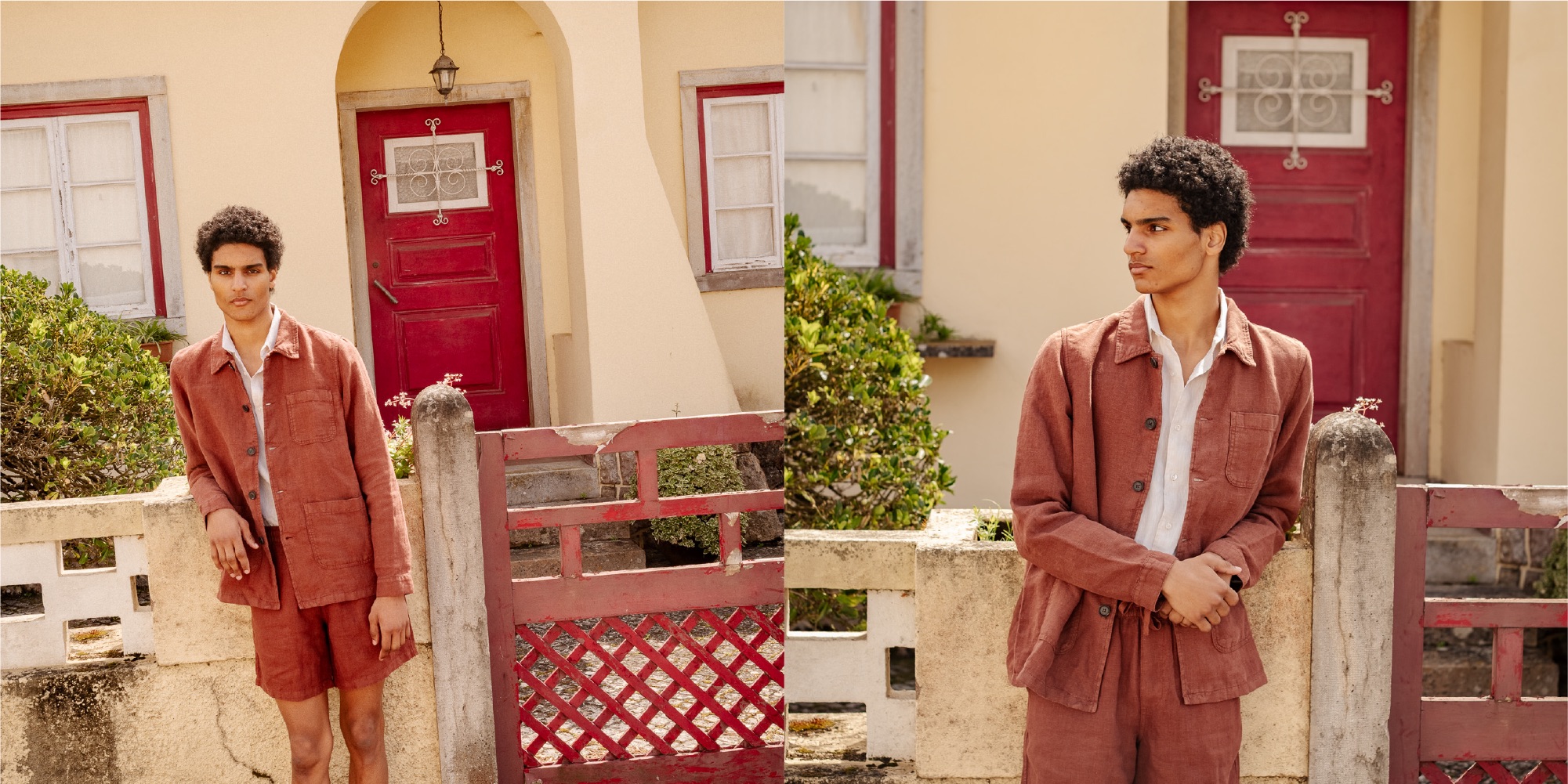
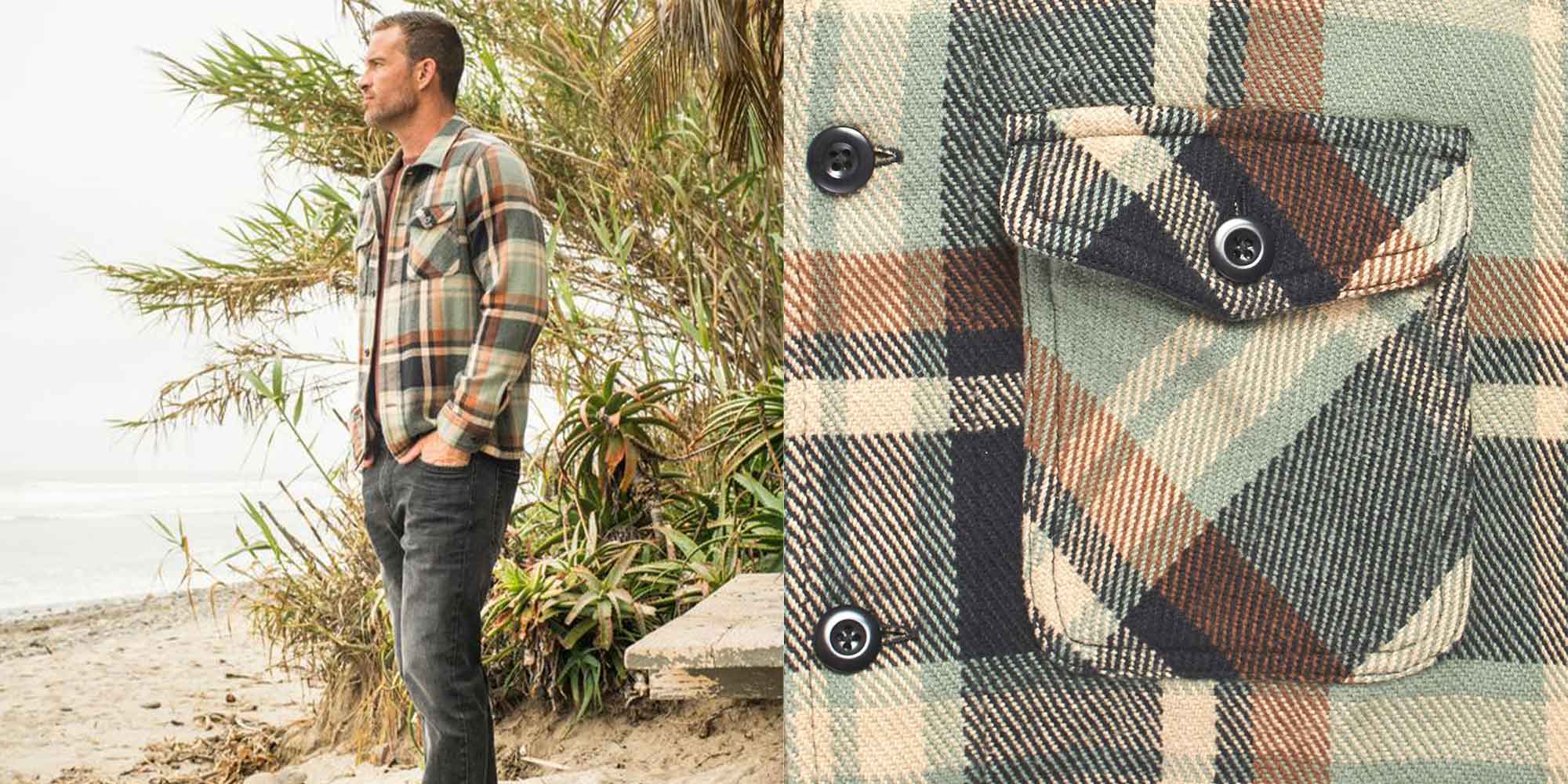
Looking for hardwearing clothes for skating, working, or channelling the workwear vibe? Here are some top-rated alternatives to Carhartt WIP.