

This is a sponsored article featuring brands that have been independently assessed by our rigorous ratings system. We’re proud to only collaborate with “Good” and “Great” rated brands. Learn more.
Constant newness and trends in fashion aren’t a good thing, but it’s also important to celebrate the developments and strides made by small, more sustainable brands who are working to create a better industry. Here, we share five things to know about this April.
How 2026 and beyond is shaping up for more sustainable fashion
It feels like barely a month goes by without more news of fashion justice campaigns struggling or more sustainable brands shuttering. Fashion Revolution’s recent announcement that it would close its UK HQ, and the closure of beloved top-rated brand Mila.Vert being just two examples of late.
Both cited funding and costs in their statements, which emphasises the impact of governments shifting away from climate goals and reducing fossil fuel reliance, and of the geopolitical crises that are pushing up material, shipping, energy, and export tariff costs for makers. Consumers, too, are feeling the pinch as the cost of living increases.
There’s no silver bullet for all this, and it’s easy to feel discouraged. But a recent report by thinktank Futerra shows that this pendulum of progress has been swinging since as far back as the 1960s: “There’s always been upwaves and downwaves, and the current slump of media coverage will track back up again we suspect in early 2027.”
With that in mind, we’re sharing some of the latest developments in the landscape. To give you hope, to support the small businesses that are prioritising doing better, and to help you find the brands and items that suit your values.
Scroll on for five new things to discover in more sustainable fashion this April 2026.
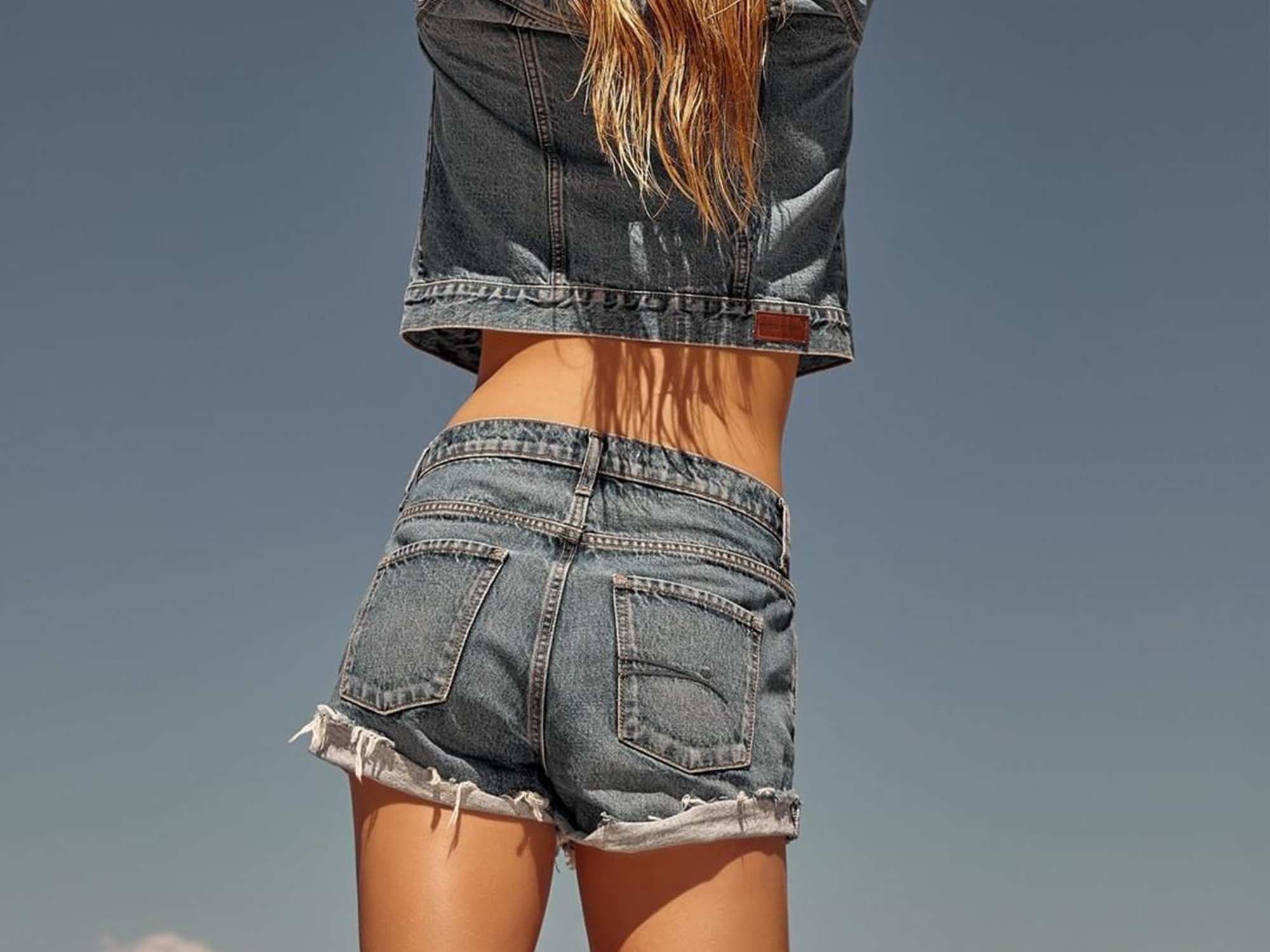
Triarchy’s (‘Great’) Western-inspired Ranchero denim
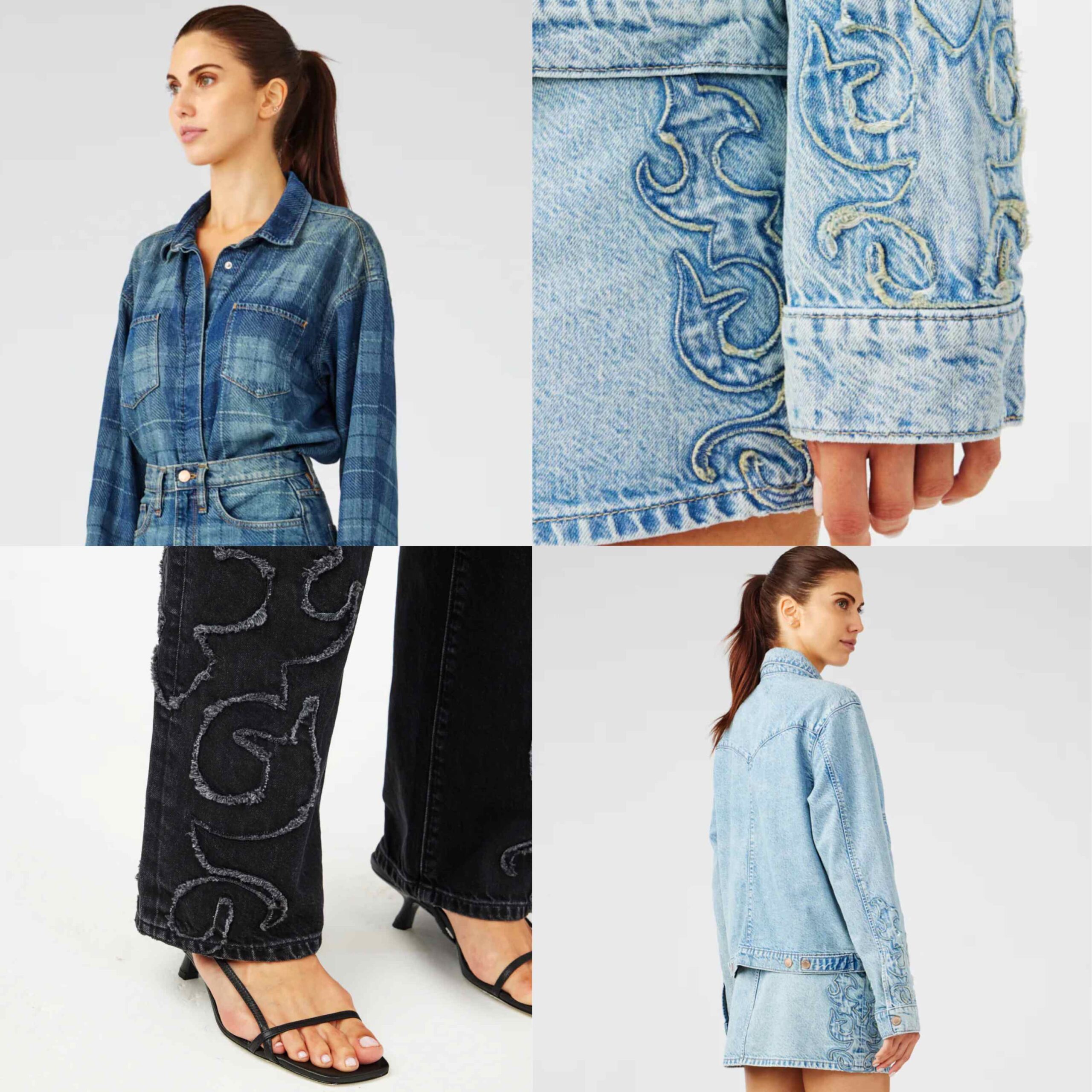
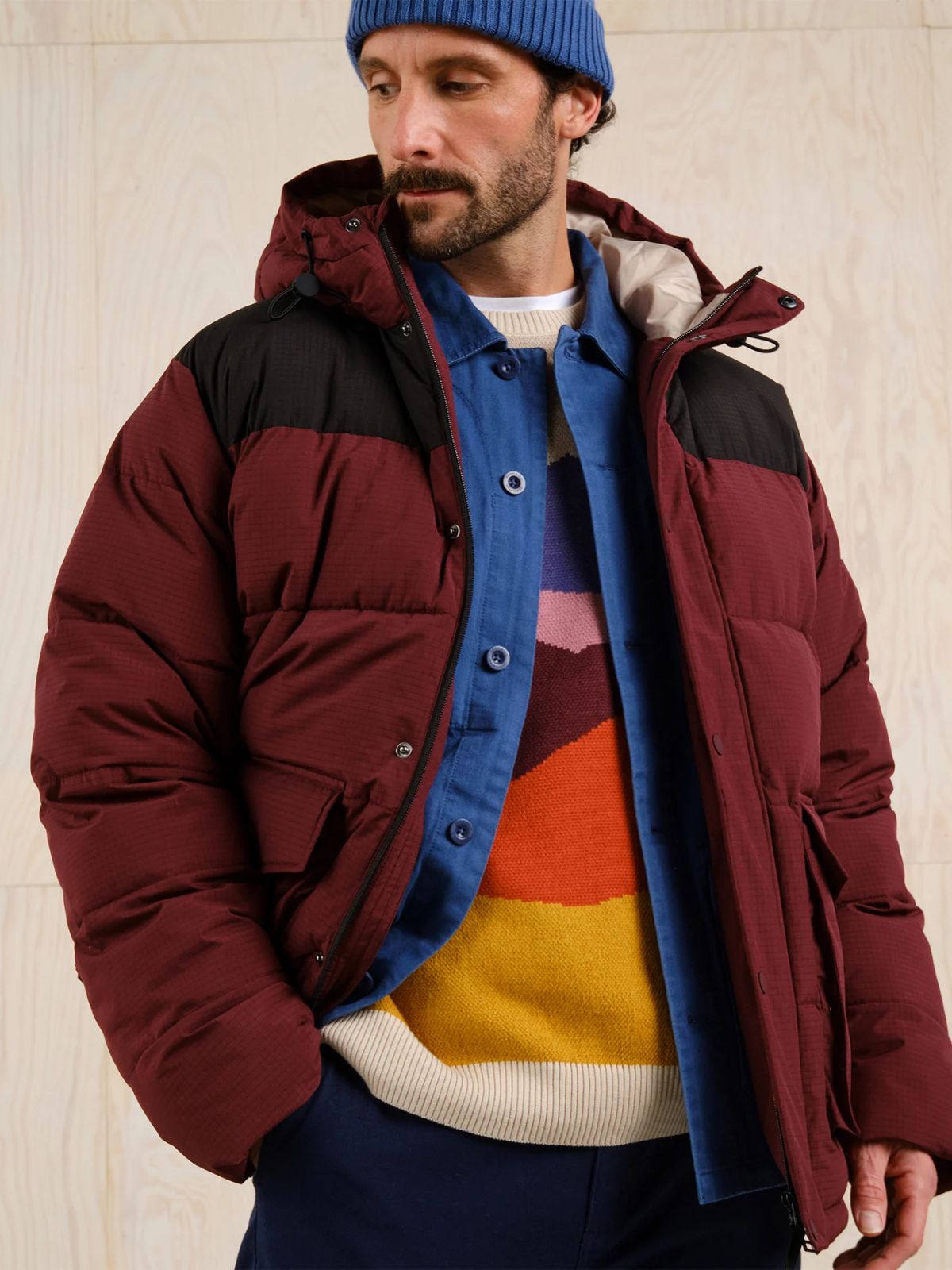
Triarchy, the top-rated brand loved for its plastic-free stretch denim, has launched a new, Western-inspired collection. Made from 100% organic cotton, the line features a cool plaid pattern that’s created by lasers, rather than chemical treatments, and a skirt, jacket, and jeans with appliqué detailing that we can easily imagine the likes of Kacey Musgraves donning.
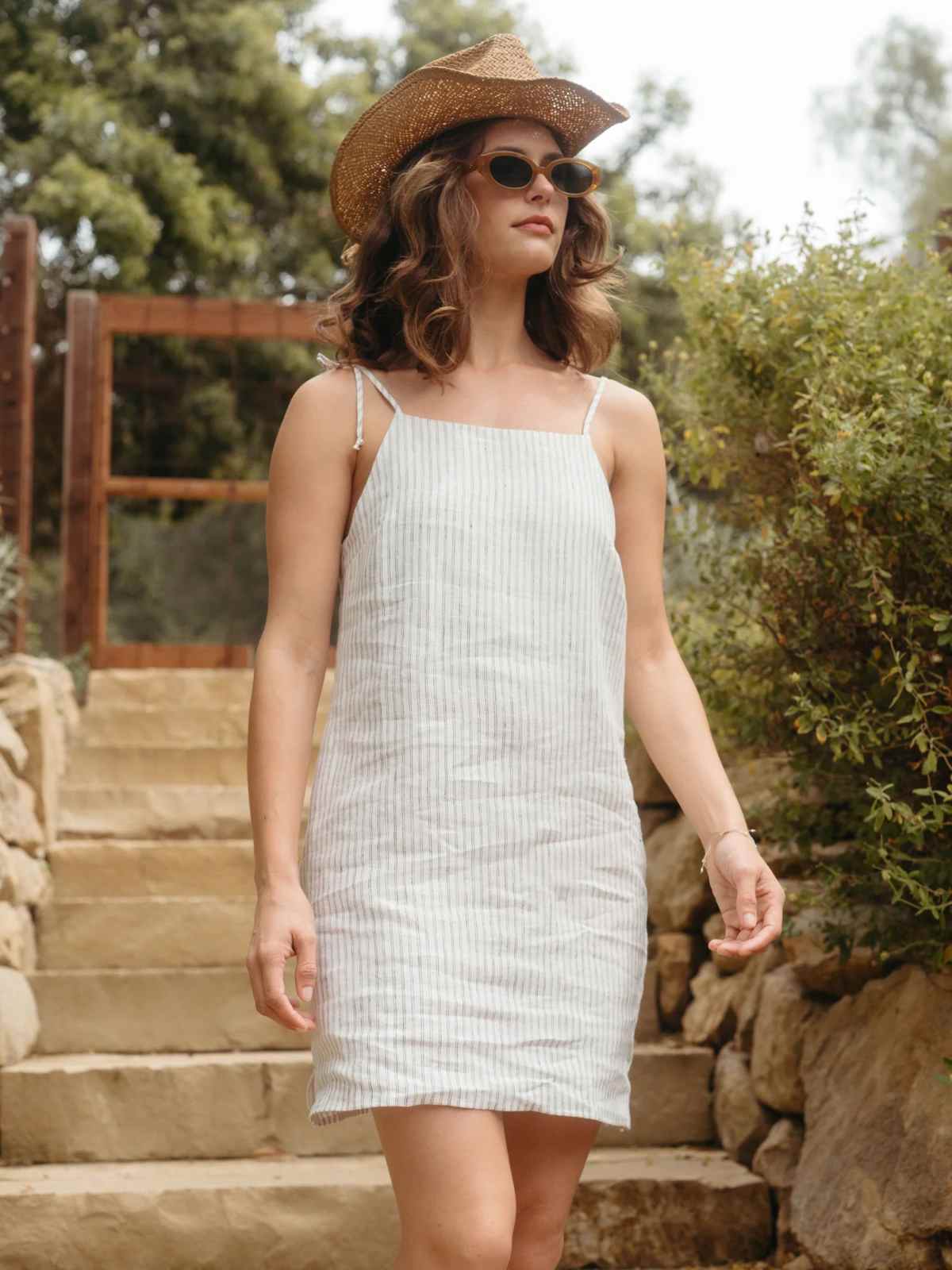
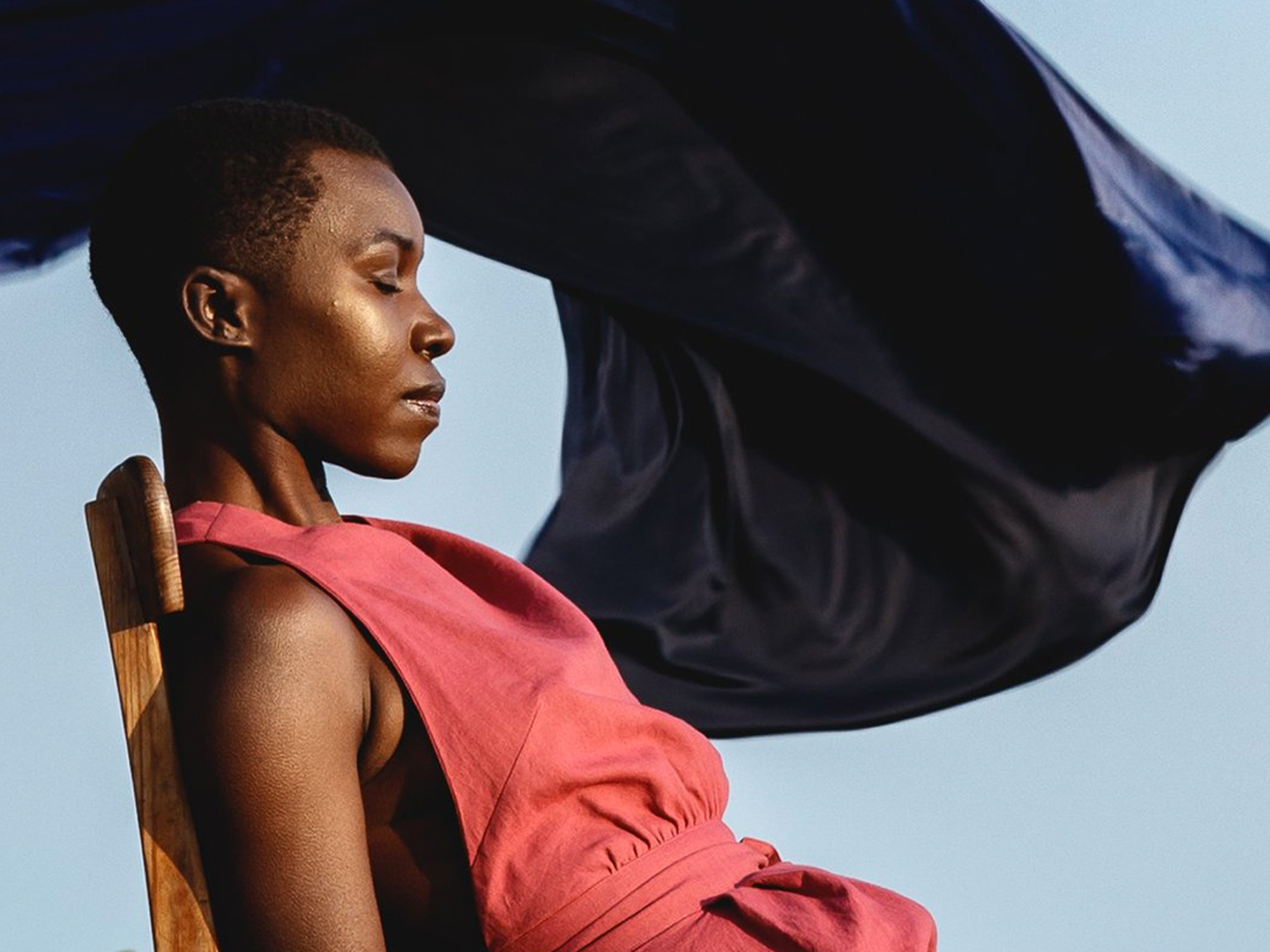
Pangaia’s rain-fed European linen in its summer line-up
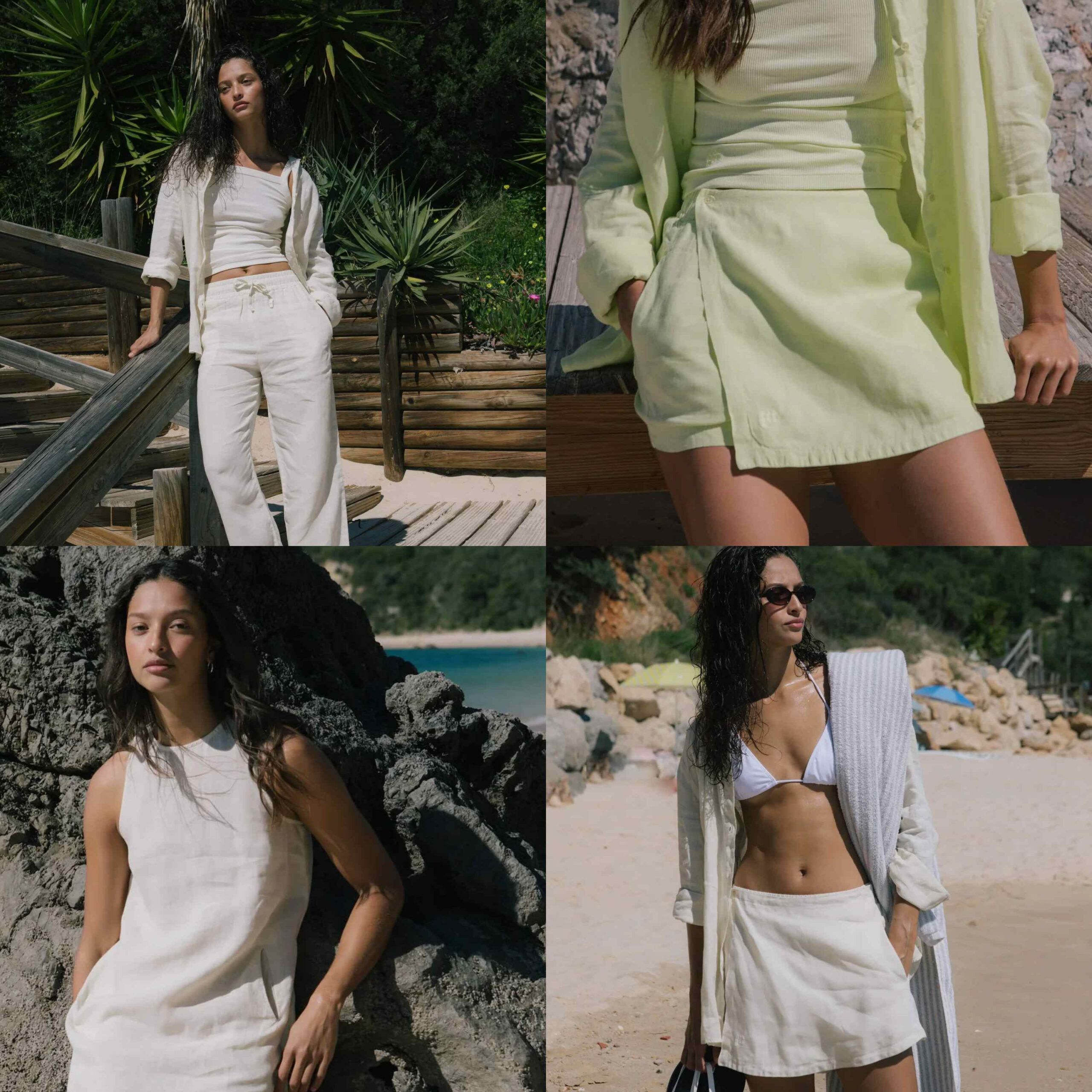
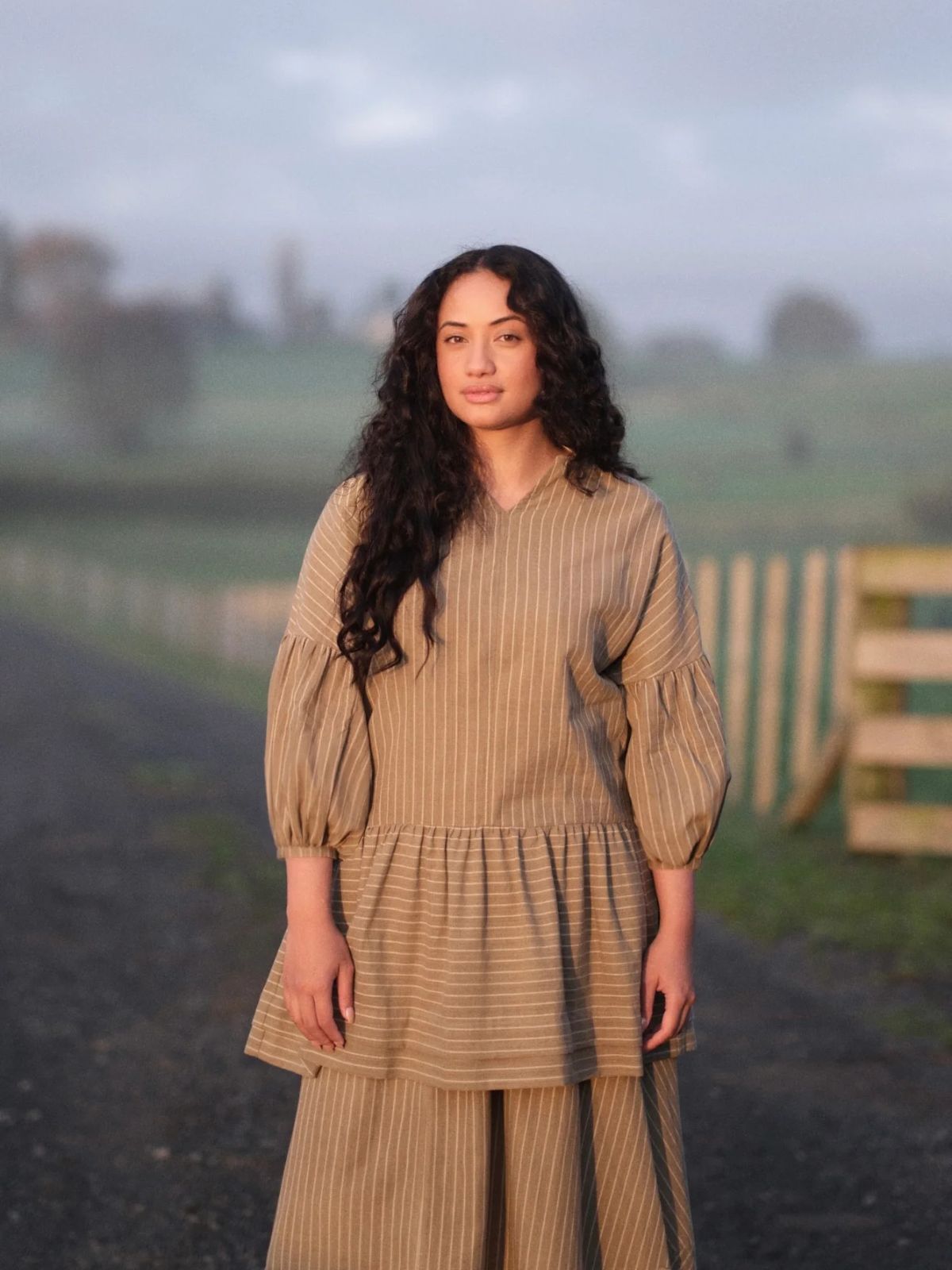
Linen is one of the best lower impact fibres around, since the flax plant is extremely versatile and can grow in poor soil, not to mention its benefits for the wearer: drying quickly and helping to regulate your body temperature. It’s why Pangaia (“Great”) chose the fibre for this summer line-up, with fibres sourced from Europe and rain-fed. The new collection of basics is cut in comfortable shapes with minimal detailing, making them ideal building blocks for your wardrobe long into the future.
Bario Neal co-owner Page Neal demystifies jewellery industry greenwashing
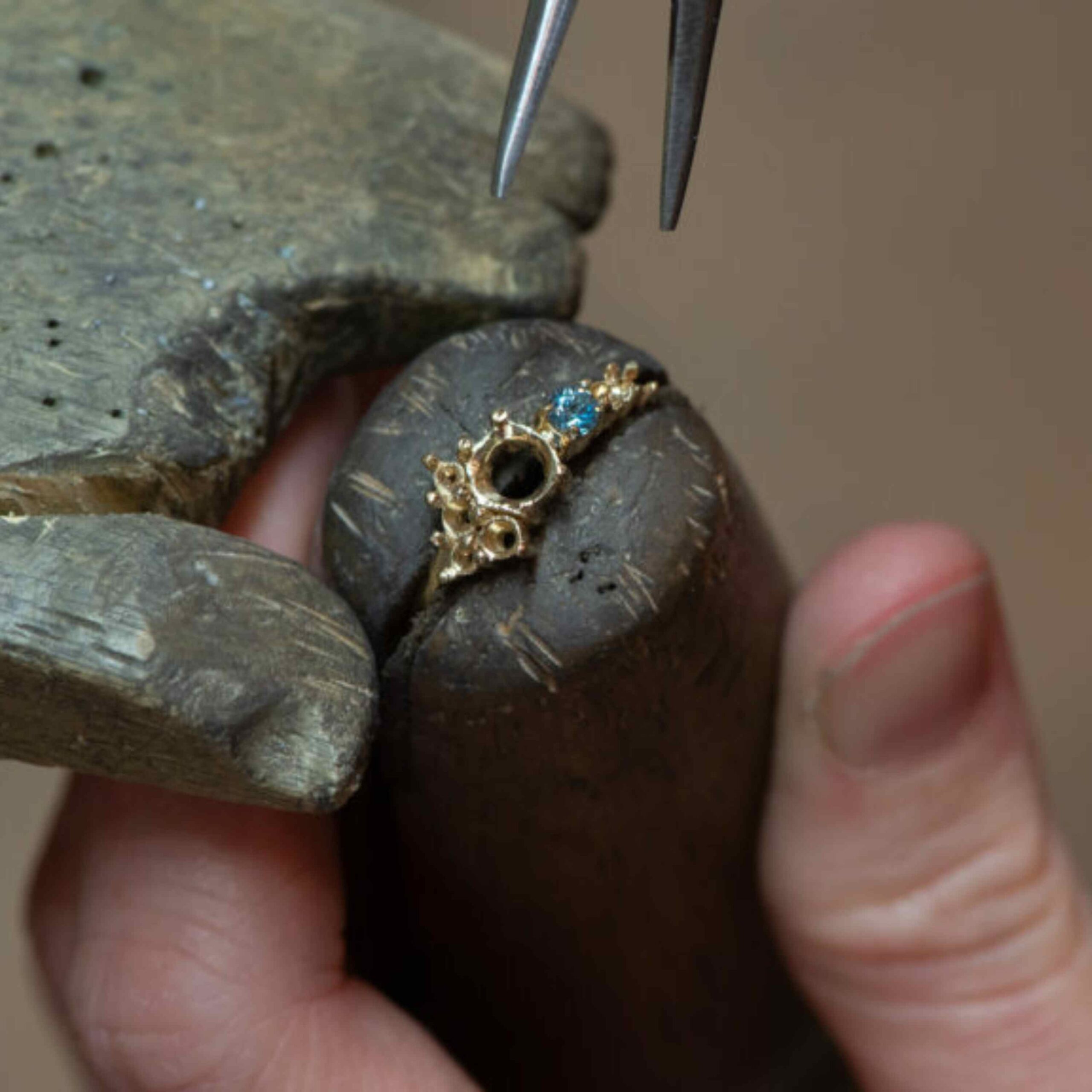
On the occasion of Earth Day this April, co-owner and designer of “Great” jewellery brand Bario Neal sat down to explain how smaller labels can work more ethically than larger, publicly owned ones, and how to catch greenwashing marketing in the jewellery world. Neal’s interview is essential reading for anyone interested in whether lab-grown diamonds are better, and whether recycled metal is the ethical credential it’s purported to be.
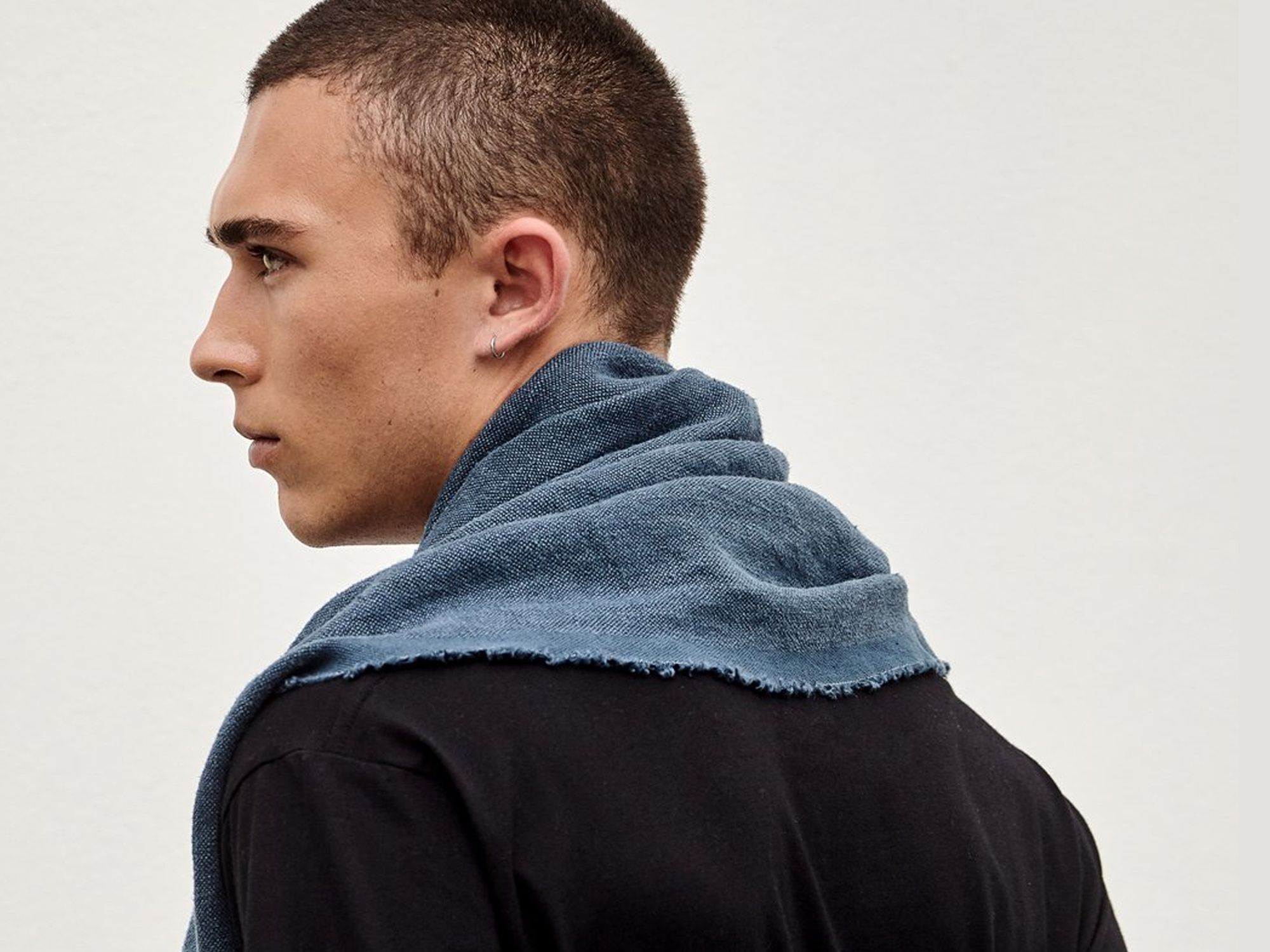
Jiwya’s plant-based-fibres runway collection
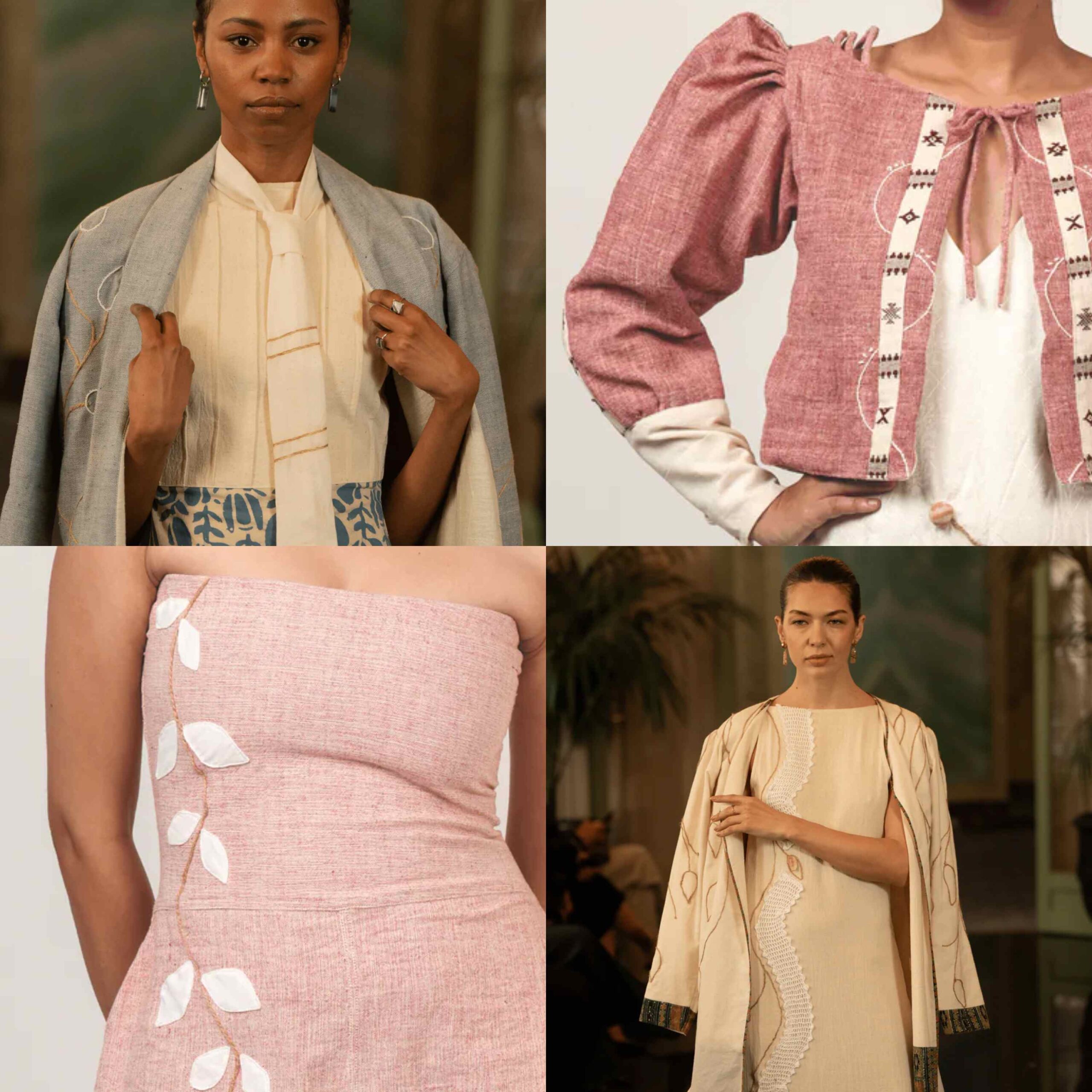
Good On You’s editors first fell in love with Jiwya when we saw Collective Fashion Justice founder Emma Håkansson rocking its woven jacket during a meeting in London. Back in March, the “Great” brand took to Paris Fashion Week to showcase its new collection of entirely plant-based clothing (ie no synthetic dyes, threads, or fibres, and no animal-derived materials), which is now available on its website. The gender-neutral line features plant-based dyes, hand-embroidered detailing, and hand-spun and hand-woven materials. There are the kind of items you’ll invest in and wear for years and years.
The handmade dresses in Dilli Grey’s new collection
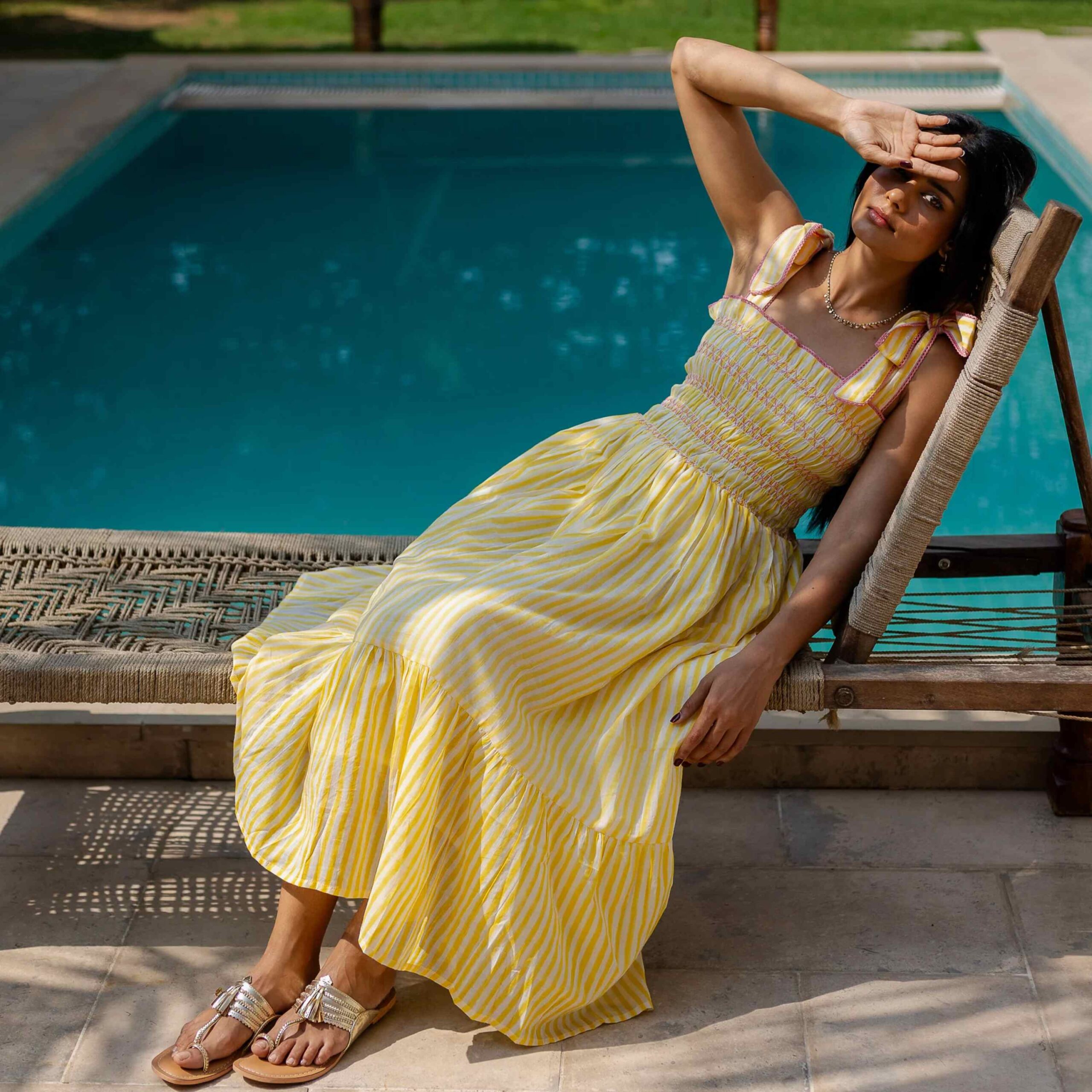
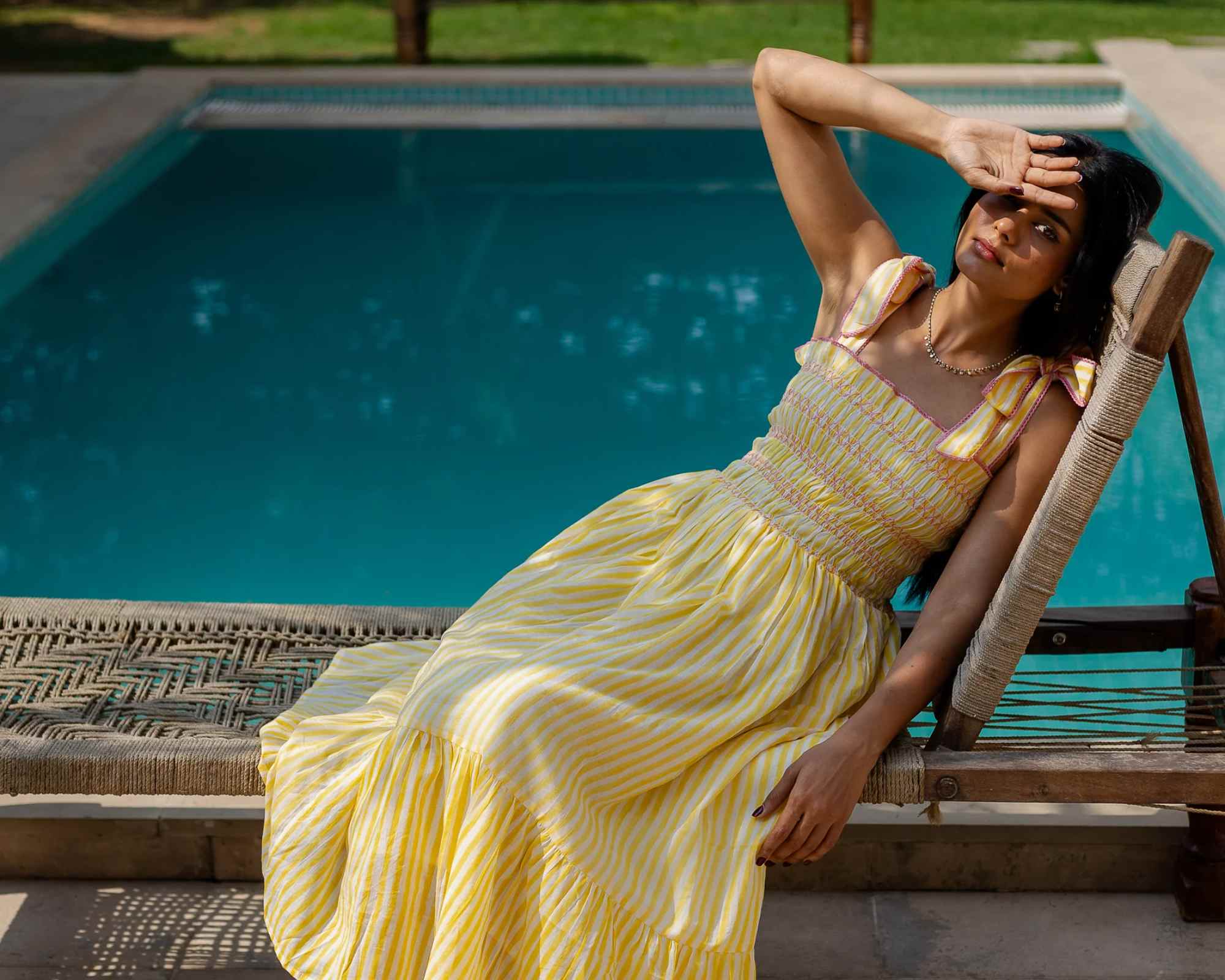
The dresses in Dilli Grey’s new collection, beautifully patterned with traditional block printing techniques, are made in small batches by artisans in India across Jaipur, Lucknow, and Delhi, which the brand visits every season. They’re not only stylish but make a great conversation point for talking about the importance of preserving craft and traditional techniques, as well as upholding labour justice in the industry.