



This month, discover why size inclusive fashion collections are on the decline, what happened when SHEIN floated on the stock market, and why the fashion industry still isn’t set up to foster more sustainable brands.
SHEIN Shares Slide on Fast-Fashion Retailer’s Stock Market Debut (The Guardian)
SHEIN’s debut on the Hong Kong stock exchange saw its stock fall as much as 10% in the minutes after its launch, pushing down the company’s valuation. It’s the latest in a series of challenges for the ultra fast fashion retailer in trying to go public, as its attempts to float on the New York and London Exchanges were blocked by questions over its supply chain practices and labour exploitation.
While Volunteers Keep Charity Shops Alive, a Billionaire Prince is Profiting (The Telegraph)
An investigation by Tansy Hoskins in The Telegraph reveals that the profits from exporting unsellable clothing donated to charity shops is making its way to an unexpected beneficiary: the Crown Prince of Liechtenstein. This fascinating long-read explores the strange structures behind clothing export business.
Why Fashion’s Economics Work Against Sustainable Brands (Business of Fashion)
Following MUD Jeans’ recent bankruptcy, Business of Fashion’s Shayeza Walid explores the challenges that more sustainable brands face, including shouldering the costs for circularity and end-of-life care for clothing. “Asking individual businesses to build a more sustainable fashion system will only get the industry so far if the economics of the existing one continue to reward making and selling more,” Walid writes.
Where Did all the XXL Clothes Go? Fashion Brands are Scrapping Plus Sizes in the GLP-1 Era (The Guardian)
Weight-loss drugs are being widely adopted in the US, and that’s prompting fashion brands to reduce the size inclusivity of their ranges. It’s prompting many to turn to secondhand marketplaces to find clothes that fit. And while some retailers are blaming a lack of demand, industry experts suggest this isn’t actually the case, and that finding clothes that fit a range of consumers remains a big issue for consumers.
Global Fashion Brands’ Purchasing Practices Shifting Financial Pressure of Decarbonisation Onto Suppliers (Business and Human Rights Centre)
Business and Human Rights Centre has been tracking the impacts of fashion brands’ decarbonisation efforts on suppliers, finding that broadly, the financial cost of the transition is being shifted onto suppliers. The Centre also notes that labour leaders are concerned that while decarbonisation movements may be underway, it doesn’t necessarily equal an improvement to working conditions.
‘Good’ and ‘Great’ news
Every month we publish news and product highlights from highly rated brands that have been assessed by our rigorous ratings system. Using our codes and links may earn us a commission—supporting the work we do. Learn more.
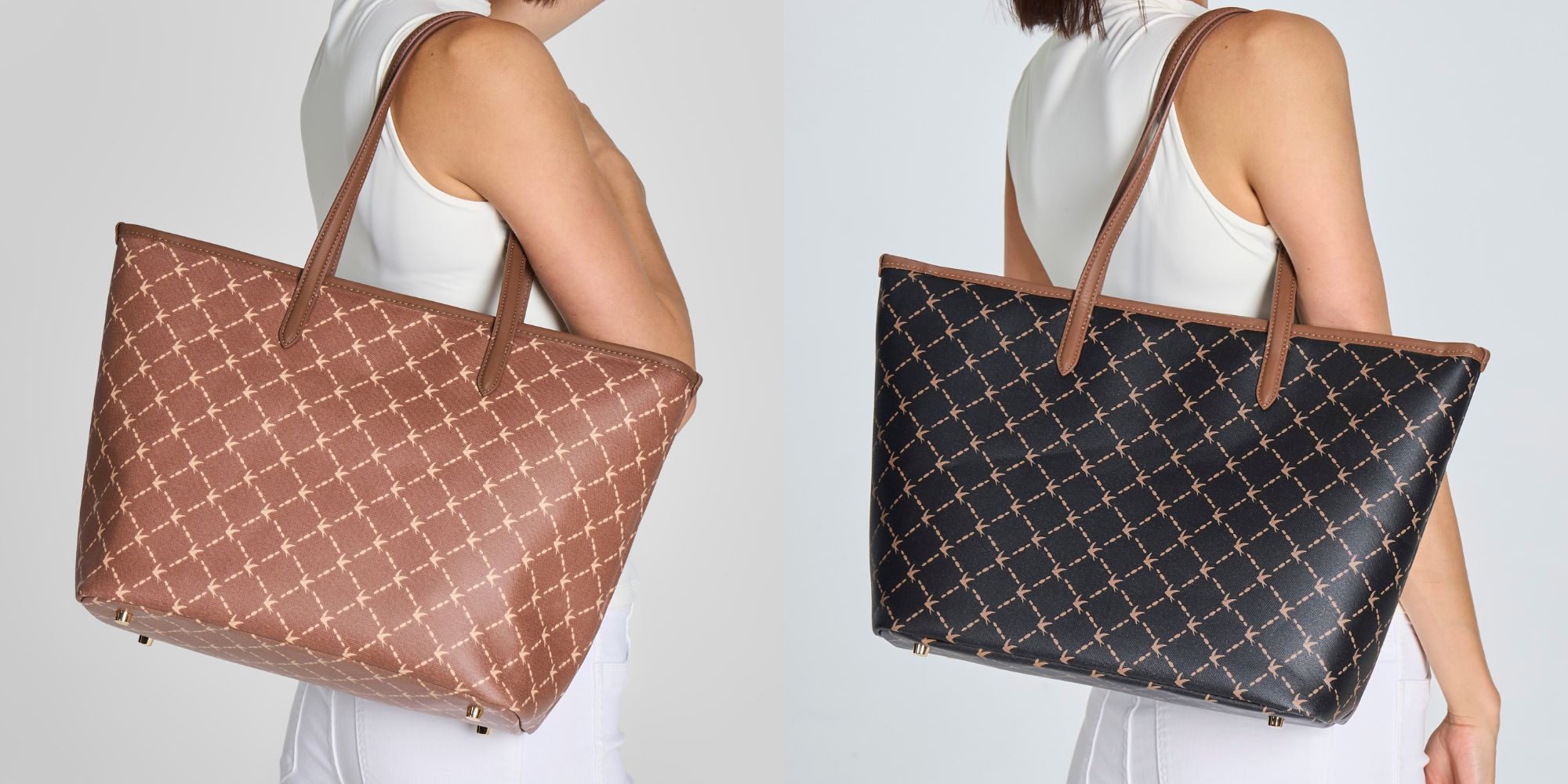
‘Good’ Brand Svala Creates New Material For Vegan Tote Bag
After some of its long-relied-on new generation materials like MIRUM and Pinatex became unavailable, Svala partnered with a supplier to create a new vegan tote bag, the Vita. It uses a printed coated canvas made from GOTS-certified organic cotton with a durable TPU, PVC-free coating, which is created with a specialist coated-canvas manufacturing partner in China that is working towards B Corporation certification by 2027.