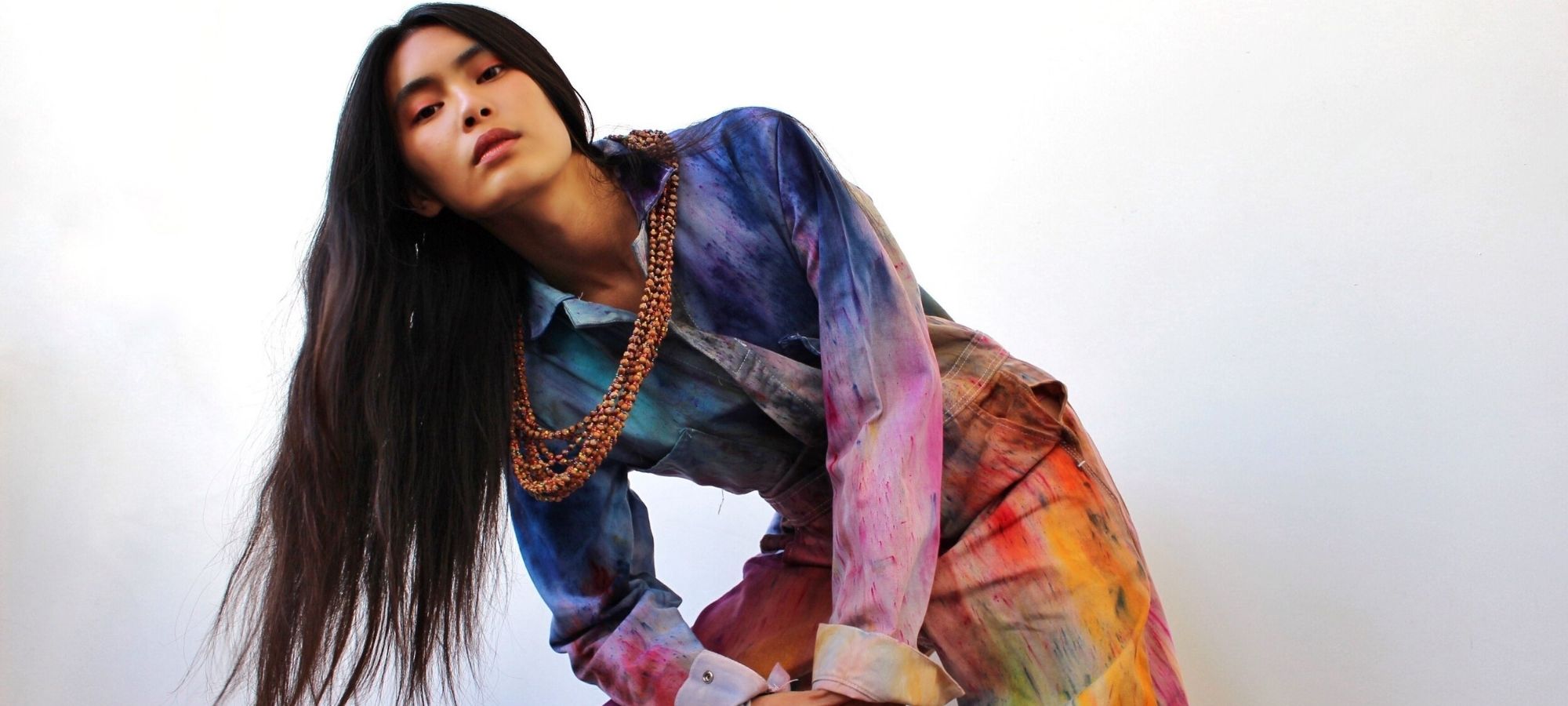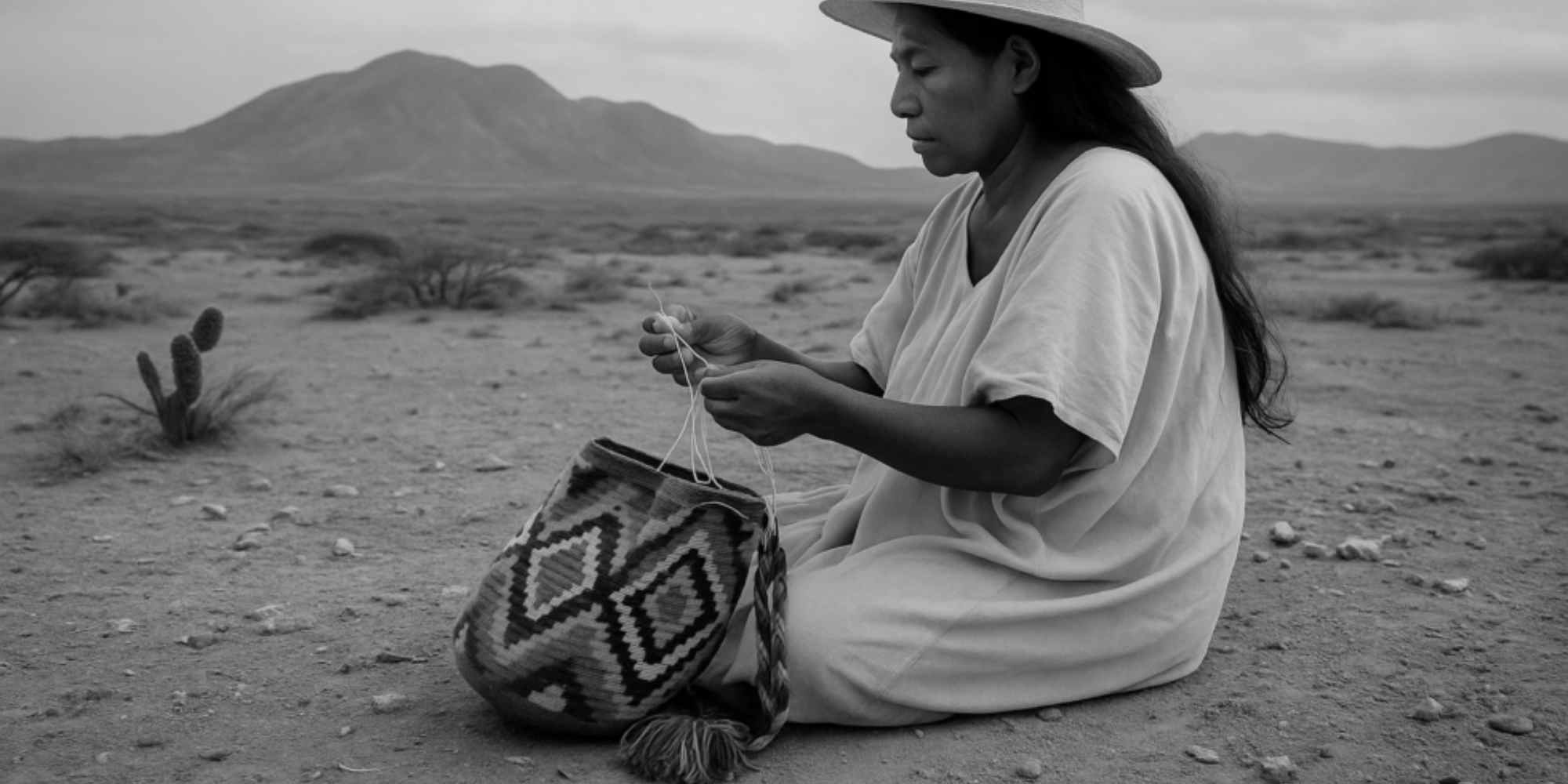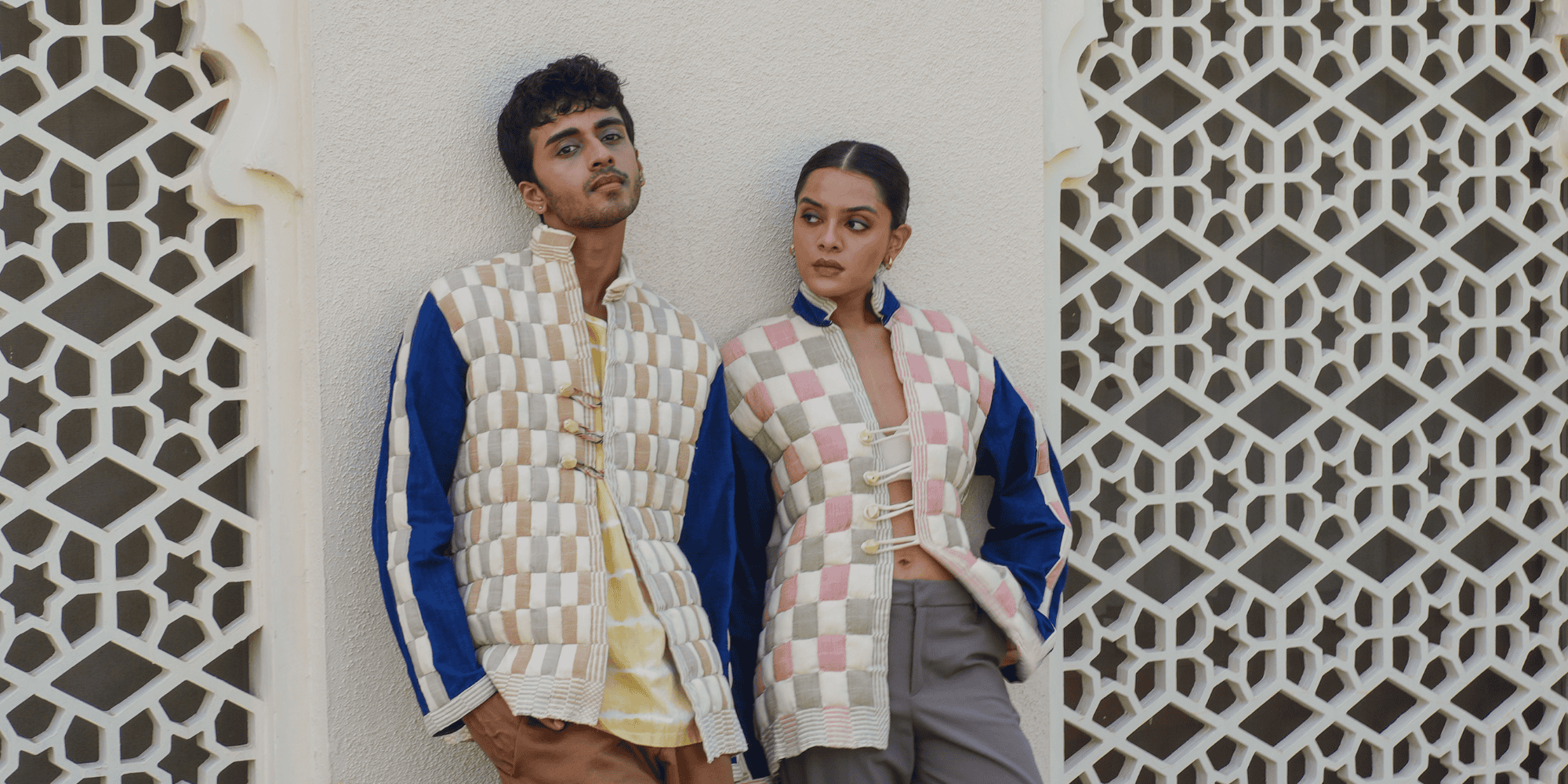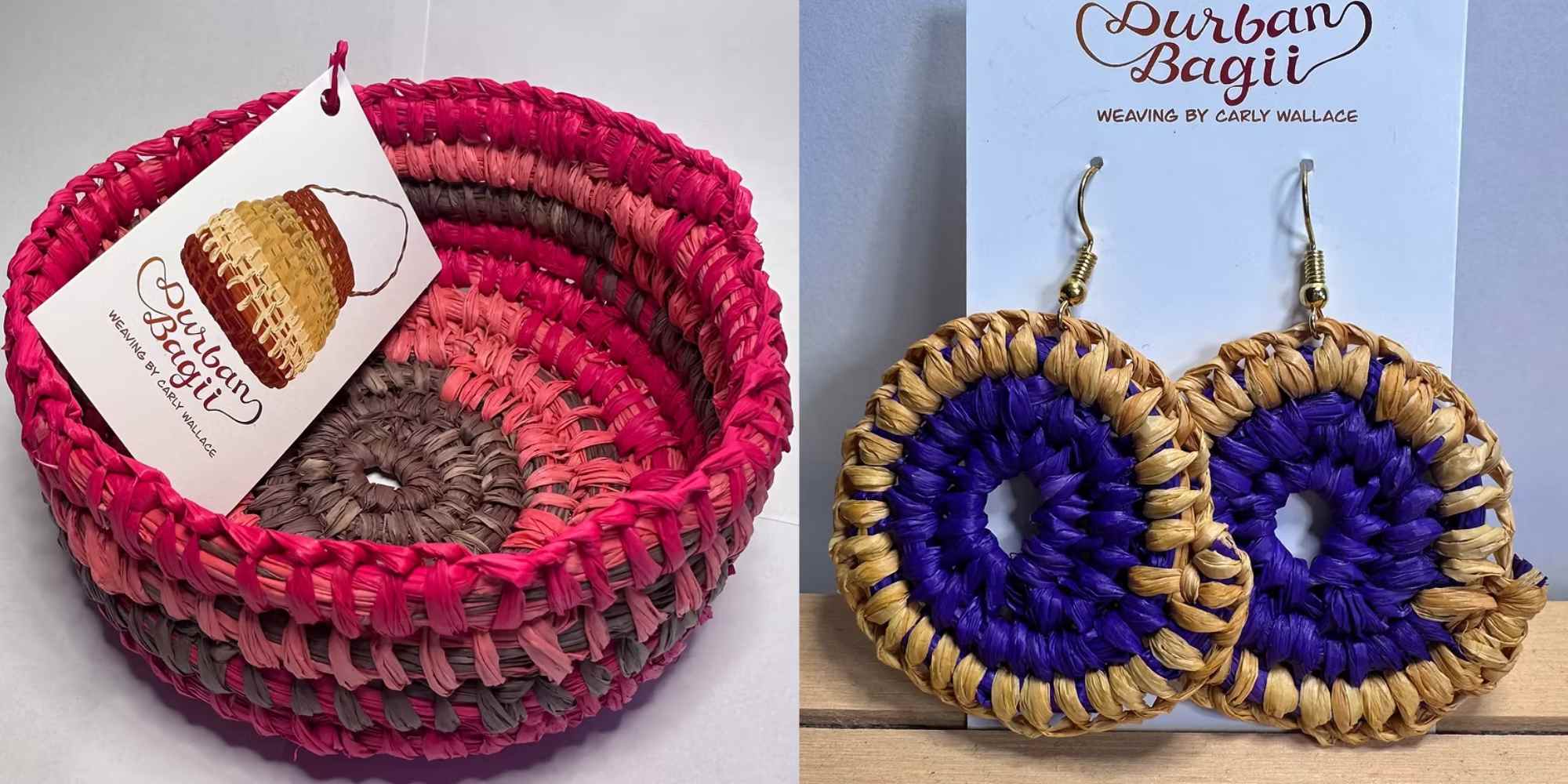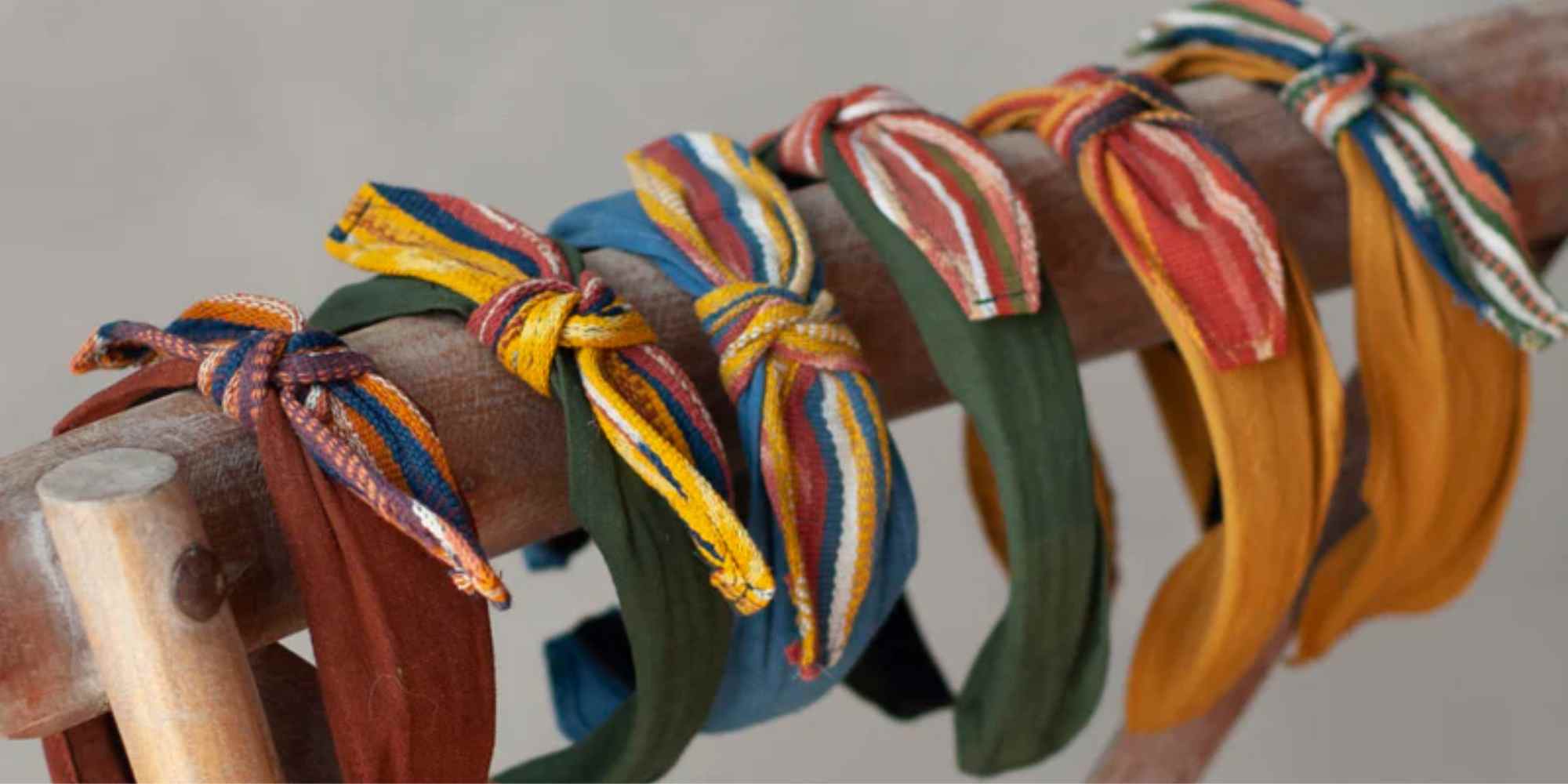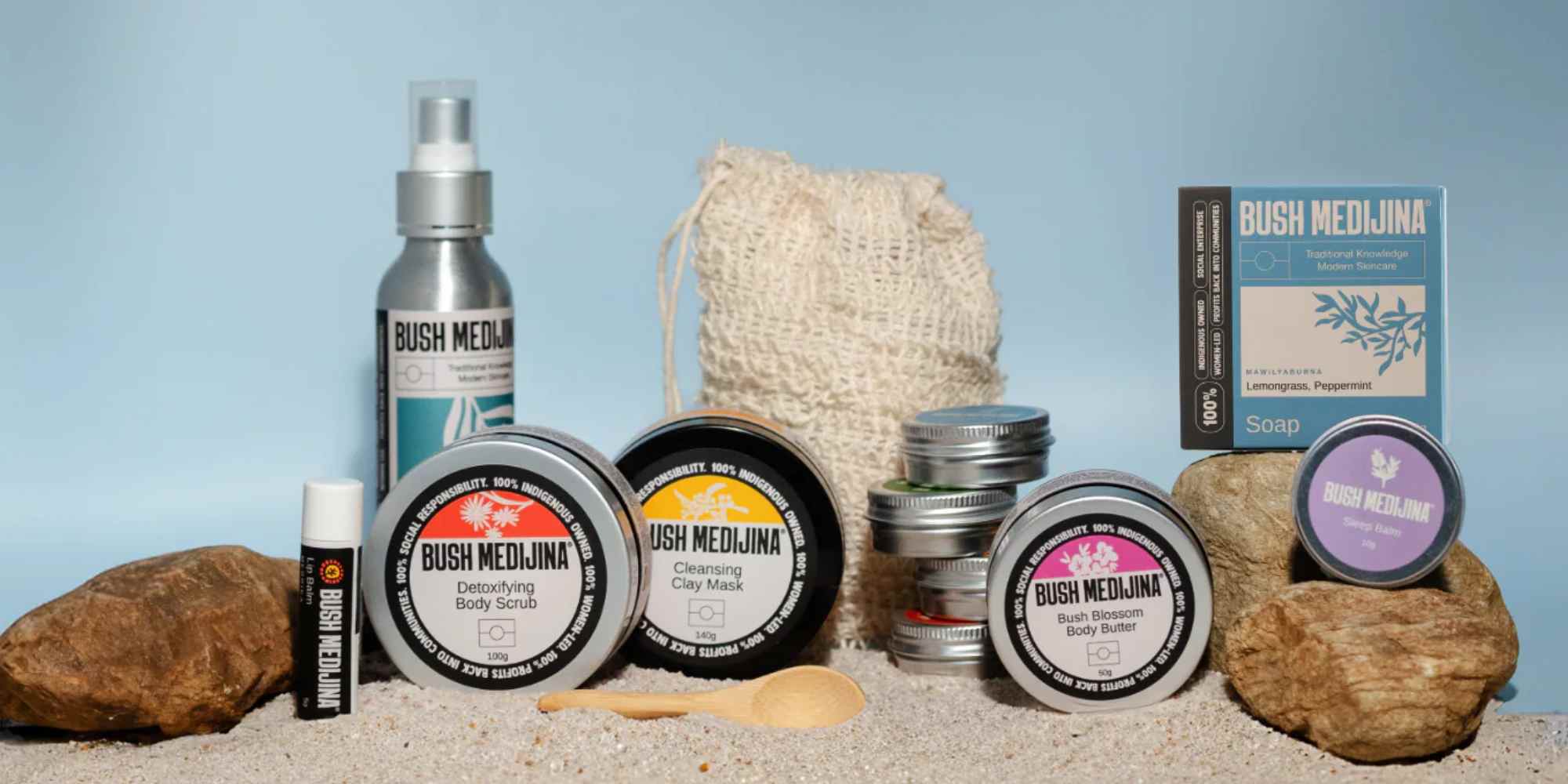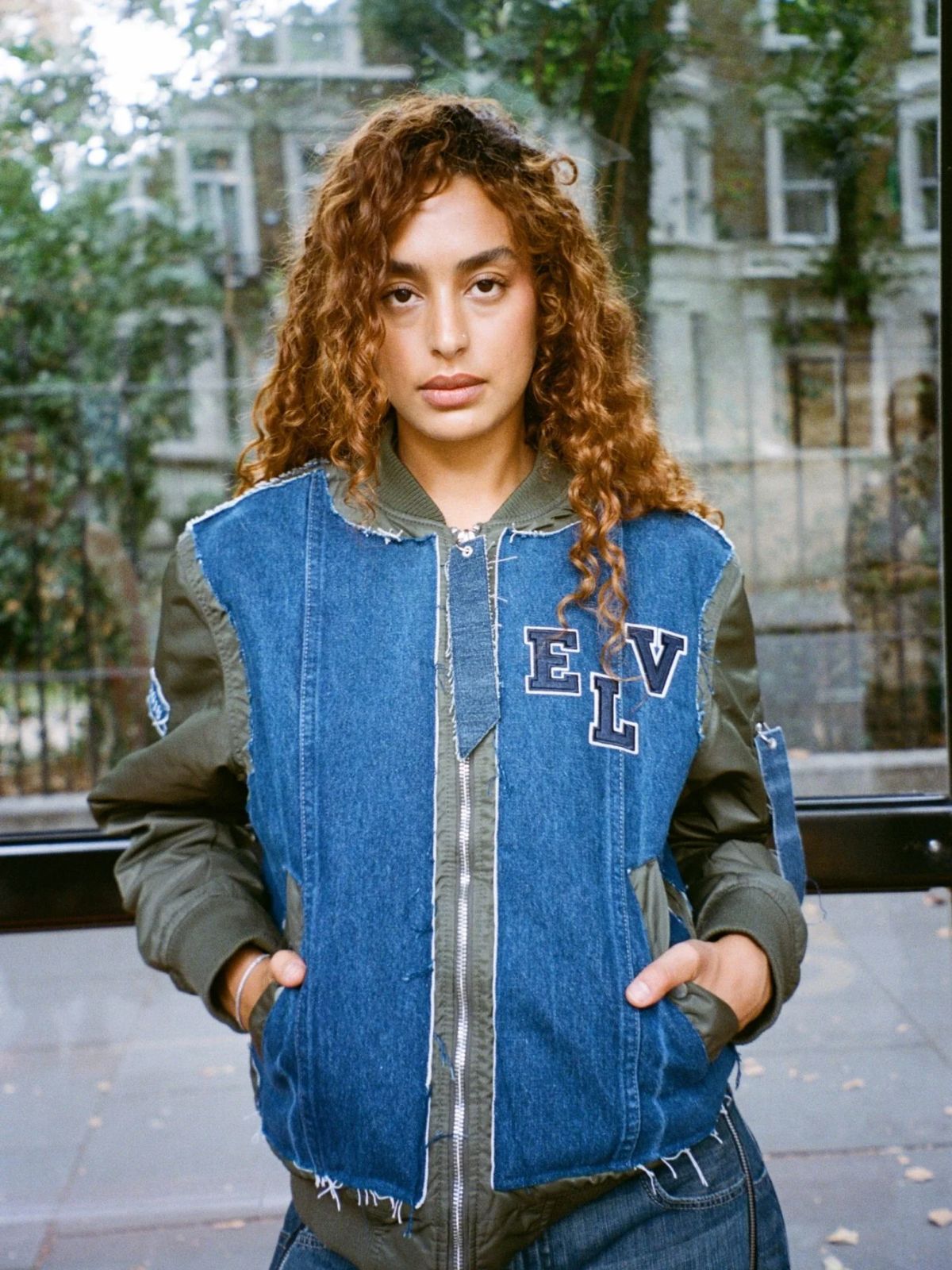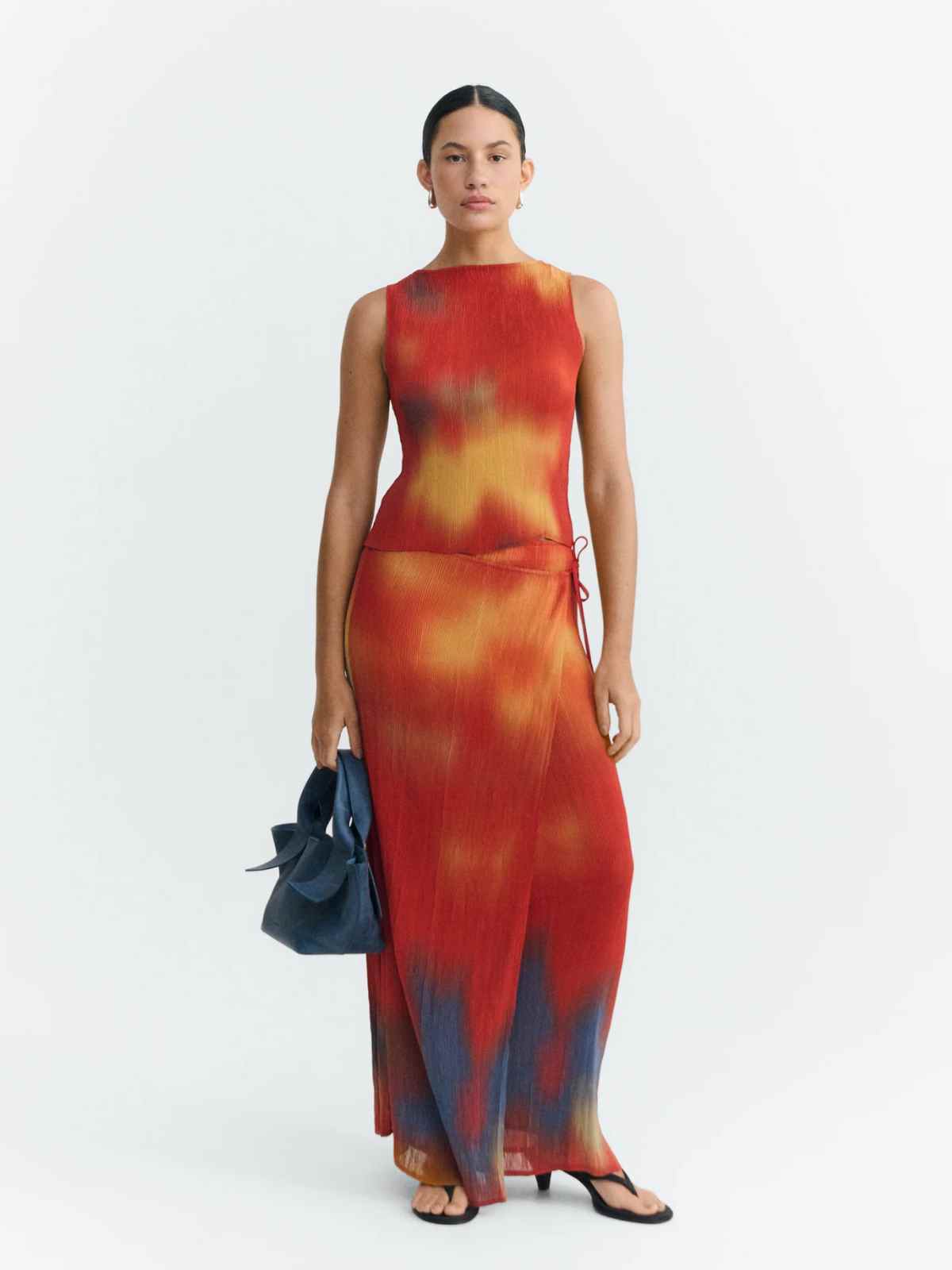
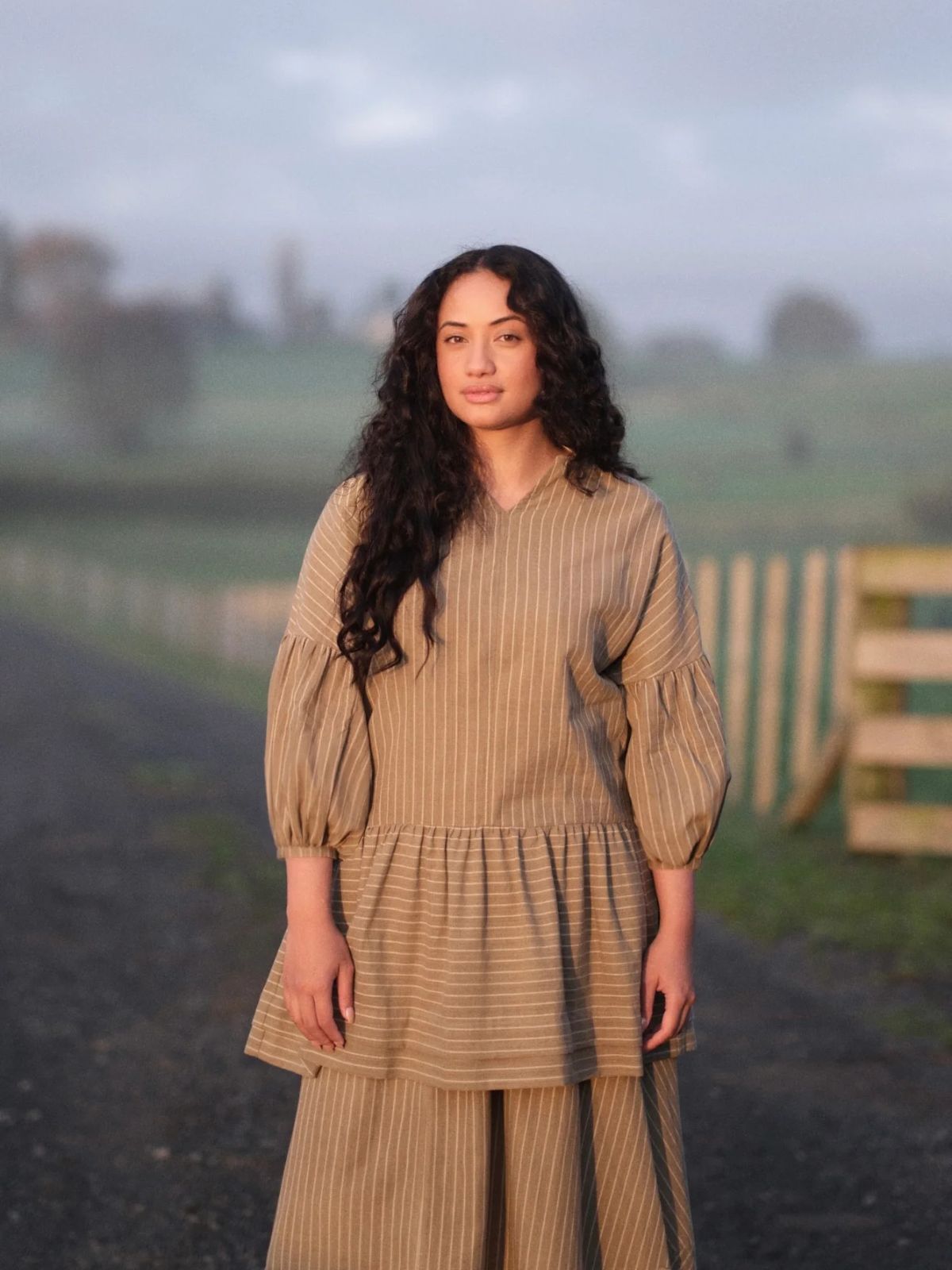


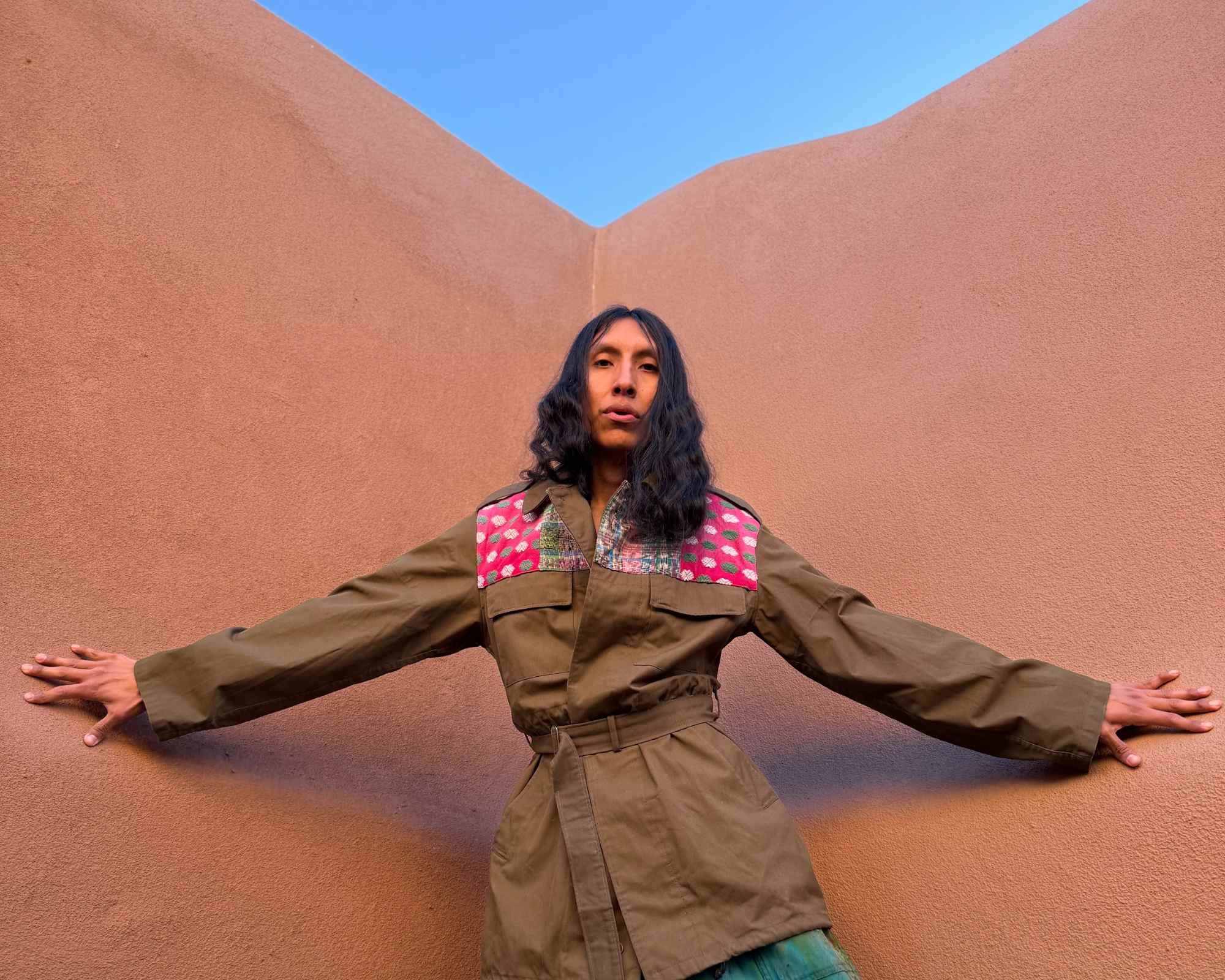
Shopping from Indigenous-owned brands is a great way to support local communities, individual makers, and to help uphold traditional techniques and crafts that are at risk of being lost in the face of the wider fashion industry’s race to the bottom. Here, we’re sharing some of the top-rated, more sustainable Indigenous brands.
Why you should support Indigenous brands
Good On You has rated more than 7,000 brands to date, and time and time again, we see that the top performers are small brands like those featured in this round-up. Despite not having the same financial influence and power as big businesses, small and independent labels are consistently the ones taking the best measures to improve their impact. Not to mention that they generally produce much less than large global brands or perhaps even work on a made-to-order basis, helping to reduce the problem of overproduction and waste.
Many Indigenous brands manufacture within certain regions or communities, and localised production helps to reduce the climate impact of long-distance shipping involved in more globalised supply chains.
Not only that, but techniques and practices are often inherently more sustainable, rooted in respect for the environment and those involved in the processes. As Niha Elety, a cultural sustainability advocate, influencer, and founder of the brand Tega Collective, told Good On You ratings analyst Jessica Ouano in a 2024 interview: “Many of our ancestral practices—such as regenerative agriculture, natural dyeing, block printing, hand-loom weaving, growing native bio-regional fibres, and stewardship by Indigenous communities—are used when creating clothing […] Communities have reciprocal relationships with the environment and labour. These practices offer promising solutions to our climate crisis by Indigenising fashion supply chains to create a thriving ecosystem.”
But upholding cultural heritage and traditional techniques within communities, be that handloom weaving, natural dyeing, block or screen printing, and more, is getting harder in the face of the fashion landscape today.
The challenges faced by Indigenous brands today
Fast fashion is contributing to many of the challenges faced by local and Indigenous brands. Design theft is one key issue, and it leaves small brands selling items crafted through time-honoured techniques struggling to compete with cheaper knock-offs that are often made with unsustainable, low-cost materials and labour exploitation. Recently, SHEIN was accused of ripping off designs from the Indigenous Nations Apparel Company (INAC), a Winnipeg-based brand. Its founder’s daughter was even pictured in one of the designs being sold on SHEIN’s website, which were subsequently taken down by the ultra fast fashion retailer. SHEIN blamed third-party sellers.
There’s also cultural appropriation to consider, which isn’t limited to fast fashion, as we’ve seen from accusations Mexico has brought against the likes of Carolina Herrera and Isabel Marant for using in their collections designs and patterns unique to the region’s Indigenous communities. Using cultural heritage in designs without asking for permission, offering credit, payment, respect, or long-term commitments to the artisans who are custodians of such techniques or practices is highly unethical, yet we continue to see major global brands doing this.
A trickle-down effect of all this is that, as demand wanes for traditional techniques, there are fewer financial opportunities and mechanisms to pass them down to future generations, leading to a loss not only of local jobs but of valuable regional crafts and skills.
Elsewhere, as production of synthetics increases and costs get lower, demand for traditional materials, like handwoven textiles made from a variety of natural fibres, decreases due to higher costs. Ouano notes that, “In the Philippines, the influx of imported cheap polyester yarn has led indigenous communities to abandon the use of endemic natural fibres (such as abaca, pineapple, local cotton) to create their textiles. This likely happens in other countries as well.”
More sustainable brands owned by or supporting Indigenous communities
So, which are the top-rated Indigenous fashion and beauty brands in our directory right now? We’ve included them in this list. Note that this is not a comprehensive list of Indigenous brands but a selection of those with recent top ratings.
We’ve also included brands with a middling rating of “It’s a Start” (that have achieved that score, at a minimum, across each of our three pillars: people, planet, and animals), acknowledging that these brands are taking some steps to be transparent and responsible about their impact. Making progress, even if it’s not perfect, is better than not doing or saying anything, so these middling ratings are still good options to consider if you’re looking to buy from Indigenous brands.
If you’re an Indigenous brand or you’d like to share details of one you want to see rated, use our contact form to submit a request.