
For consumers For business
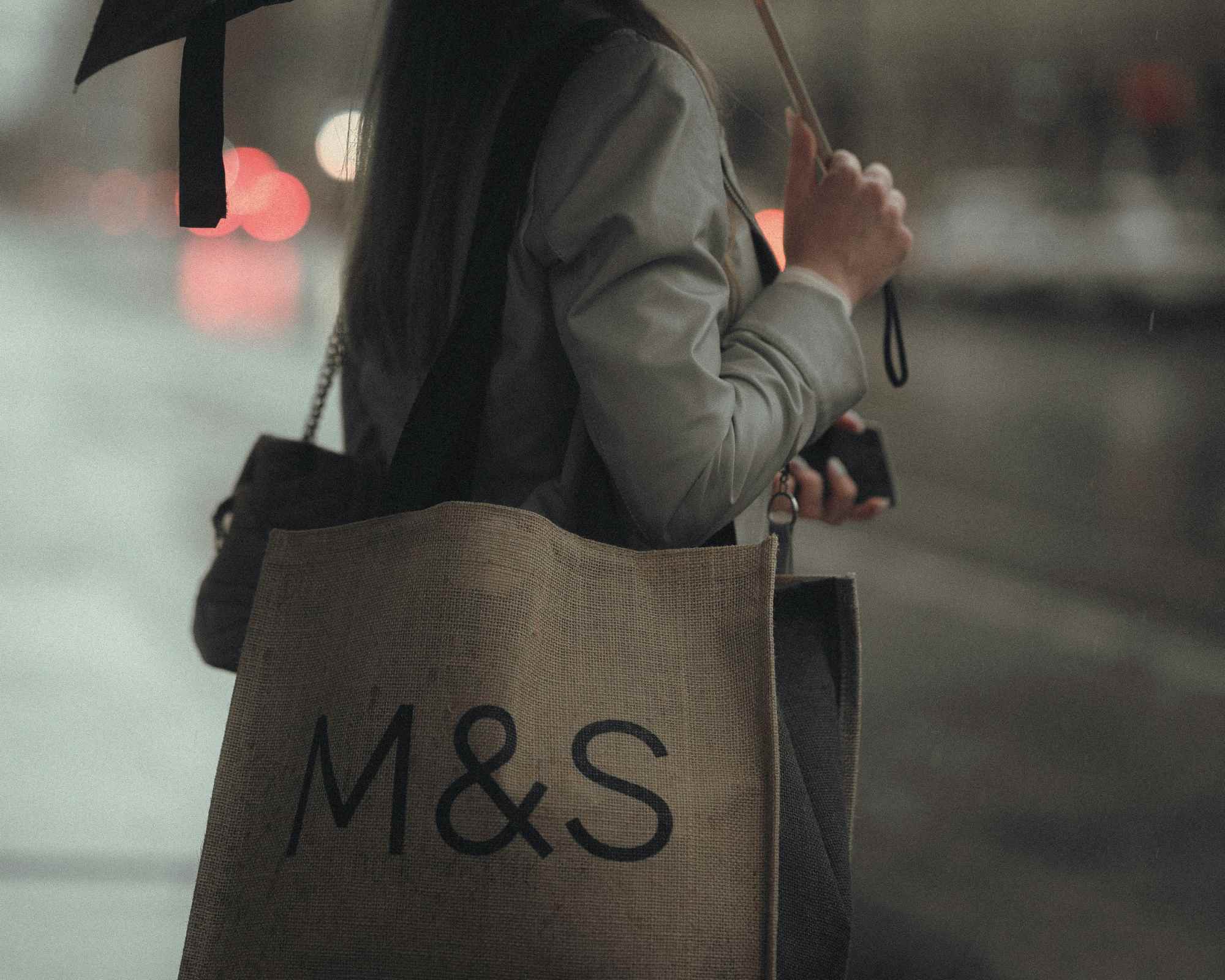
person carrying marks and spencer bag
18 Nov
person carrying marks and spencer bag

Is Marks & Spencer Sustainable?

Our editors curate highly rated brands that are first assessed by our rigorous ratings system. Buying through our links may earn us a commission—supporting the work we do. Learn more.


As Marks & Spencer makes its debut at London Fashion Week with a “see now, buy now” runway format, we ask: how sustainable are Marks & Spencer’s practices? Let’s find out. The brand receives Good On You’s middling “It’s a Start” score because while it is making some effort to be responsible for its actions, it still produces huge volumes of clothing, doesn’t ensure living wages are paid to its workers, and more, as we’ll detail in this article. 

This article is based on the Marks & Spencer rating published in May 2026 and may not reflect claims the brand has made since then.


Marks & Spencer is known for quality, but what about sustainability?

Heritage brand Marks and Spencer was founded in 1884 and has become a staple in the UK as a reliable retailer for food, fashion, and homeware, not to mention a huge employer in the region. Its financial results make major news and are often seen as a signifier of the wider economic circumstances. In recent decades it expanded overseas, too.

The brand has long been associated with high-calibre products and its tagline (“This is not just food, this is M&S food”), has been adopted into the British cultural lexicon to describe something of quality. But what does that mean in 2026, when Marks & Spencer is also known for mass-producing clothing? How can it really make so much stuff to a supposedly high standard and sell it so cheaply? The brand is known for operating large-scale retail stores packed with racks and racks of clothing, which leads us to ask: where does it all go, what’s it all made from, and who made it?

Here, we’re diving into the analysis of Marks & Spencer’s disclosed information and publicly available third-party sources to bring you answers to these questions, and explaining how ethical the retailer is when scored against Good On You’s leading sustainability methodology. Overall, Marks & Spencer rates “It’s a Start”, a middling score that reflects its work to reduce some of its impact but noting it isn’t going far enough, especially as the brand is a major mass producer—a key point noted by our analysts. This rating hasn’t changed in our most recent review, indicating that the brand is not taking effective enough action to improve the gaps in its sustainability— or at least, it’s not disclosing such details.


Environmental impact

Marks & Spencer rates “It’s a Start” for its environmental impact.

It uses some lower-impact materials and claims it’s on track to completely replace virgin polyester with recycled polyester in its clothing by 2026. That’s great, but polyester is still fossil-fuel-derived and deposits microplastics every time it’s washed, so Marks & Spencer ought to consider reducing its reliance on the fabric altogether—especially since it is the brand’s second most-used material.

Marks & Spencer is working to reduce greenhouse gas emissions from processes in its manufacturing and has set a science-based target to reduce emissions in its direct operations and supply chain.

The brand’s clothes have been identified on at least two occasions in textile waste dumps in the Global South, and although the brand states that it doesn’t export excess clothing, there is clearly a lot of it going to waste after it’s sold, which speaks to the amount the brand is producing. It is taking some measures in terms of producer responsibility, operating a take-back scheme in partnership with Oxfam, a repair service, and implementing a one-year guarantee on children’s clothing, but ultimately producing so much stuff is never going to be a sustainable model.

In 2026, Marks & Spencer rejigged its fashion business model to achieve a faster production cycle, called Love That Drop, in which monthly, trend-led capsule collections see clothes go from design to final product in as little as two weeks. This is a clear move towards the unsustainable cycle pioneered by fast fashion businesses, which encourages constant overconsumption and squeezes suppliers to produce more, and quicker, often to the detriment of workers. And Marks & Spencer’s catwalk debut at London Fashion Week in September 2026 also indicates a move towards faster consumption, with a “see now, buy now” model that offers products for sale as soon as they’ve been shown on the runway. By contrast, traditional fashion shows, which are for trade purposes, typically involve a six-month turnaround from appearing on the catwalk to hitting stores.


Labour rights

Marks & Spencer’s score for labour rights is in the middle of the scale too, with an “It’s a Start” rating from our analysts.

More than half the brand’s final production stage is certified by Sedex Members Ethical Trade Audit (SMETA) Best Practice Guidance, and it discloses all of its tier 1 fashion suppliers in collaboration with Open Supply Hub.

Marks & Spencer also has initiatives to support vulnerable women and girls in its supply chain, and during the COVID-19 pandemic, the brand disclosed adequate policies to protect workers in its supply chain from the virus—something it attributed to many long-term relationships with suppliers, which is the ideal way for brands to work with factories.

All this is strong work from a so-called “high street” brand and sets a good example for others, but one area Marks & Spencer could improve is in ensuring workers throughout the entire supply chain are paid a living wage. There’s no evidence of this at the moment, nor does the brand appear to have even adopted a recognised living wage definition, but this is a vital aspect of labour justice.


Animal welfare

Another “It’s a Start” score for Marks & Spencer in the animal welfare area.

That’s because it has a formal policy aligned with the Five Domains of Animal Welfare, it sources wool from non-mulesed sheep, and sources all of its leather from finishing tanneries certified by the Leather Working Group (LWG). It also has a goal to source all of its wool from “preferred” sources by 2030, which means those certified by the likes of the Responsible Wool Standard (RWS), Responsible Mohair Standard (RMS), Responsible Alpaca Standard (RAS), Recycled Claim Standard (RCS), and the Global Recycled Standard (GRS).

The brand does, however, still use plenty of leather, shearling, wool, down, and alpaca, which can all cause suffering or death to animals. We’d like to see Marks & Spencer consider some more sustainable alternatives to animal materials, and use some of its massive purchasing power to fund the development and testing of emerging non-plastic alternatives.


Overall rating: ‘It’s a Start’

Marks & Spencer has put in the work to keep improving its practices over the years, and compared to similar brands, its disclosures are good. It discloses all of its suppliers in the final production stage, the vast majority of polyester it uses is recycled, and, importantly, it shares whether it’s on track to meet some of its goals. That’s why our analysts scored the brand our middling “It’s a Start” rating. But we can’t help be disappointed by the brand’s recent shifts towards fast fashion business models, including faster clothing drops.

What could it do to reach “Good” or “Great”? Well, Marks & Spencer could decrease the amount it produces and move beyond the take-make-waste model, which is driving the huge problems of overconsumption and textile waste. It could go deeper on its existing commitments, like disclosing the suppliers deeper in its supply chain (eg raw materials producers). And while the brand has made commitments to improving its animal material sourcing, the reality is that it still uses a lot of these products (it’s famed for its cashmere scarves and sweaters in winter, for instance), so reducing its reliance on animal material would be a good direction, too.

Lastly, we’d really like to see Marks & Spencer commit to paying everyone in its supply chain a living wage. This is a big one, because given how much clothing it manufactures, there is likely a huge number of people involved in production, and they all deserve to be paid well enough to live comfortably.


Alternatives to Marks & Spencer

Marks & Spencer is much loved for its variety, stocking clothes for women, men, and children, along with homeware, beauty, and more, all at fairly reasonable prices. If you’re looking for “Good” and “Great” alternatives, scroll through to meet some of the brands working in these categories.
LANIUS

Rated: Good

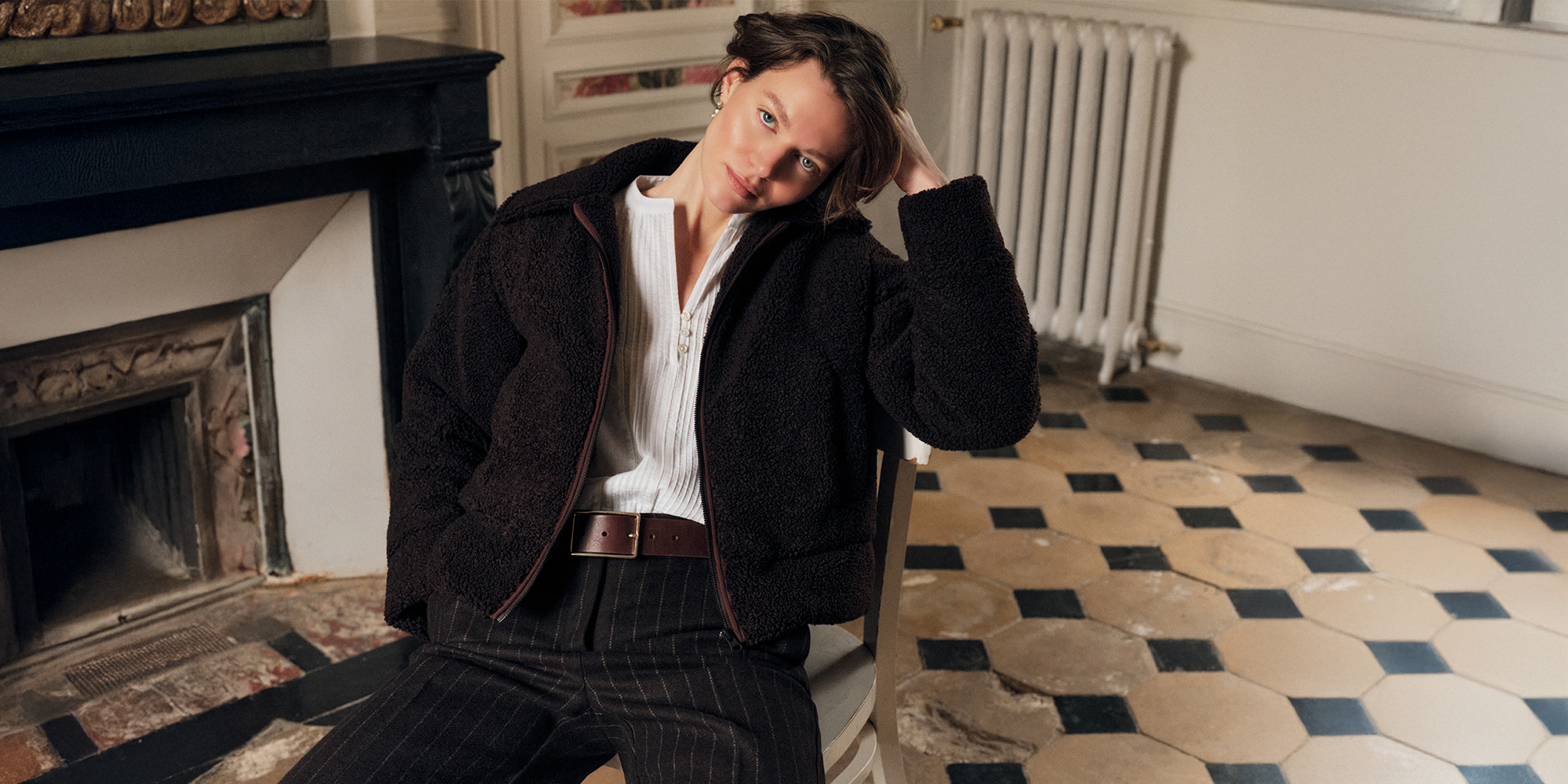
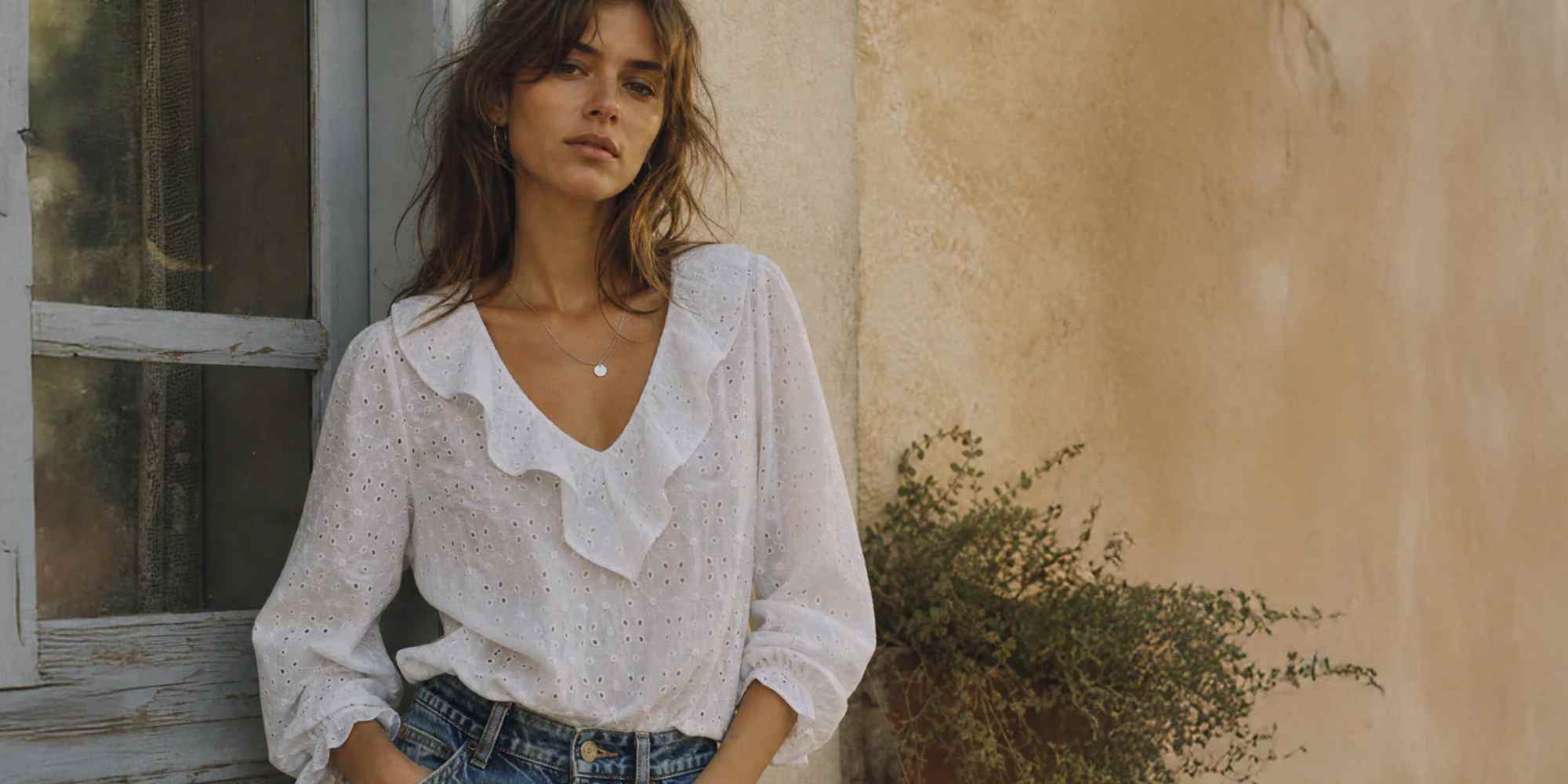
LANIUS is a German slow-fashion brand making smart-casual clothes.

LANIUS’ clothes are available in EU sizes 34-44.

See the rating.

Shop LANIUS.

The Well Worn

Rated: Good
person wearing ruffled white blouse from the well worn

The Well Worn is a contemporary British womenswear label creating vintage-inspired clothes using reclaimed and deadstock fabrics.

See the rating.

Shop The Well Worn.

Toad&Co

Rated: Good

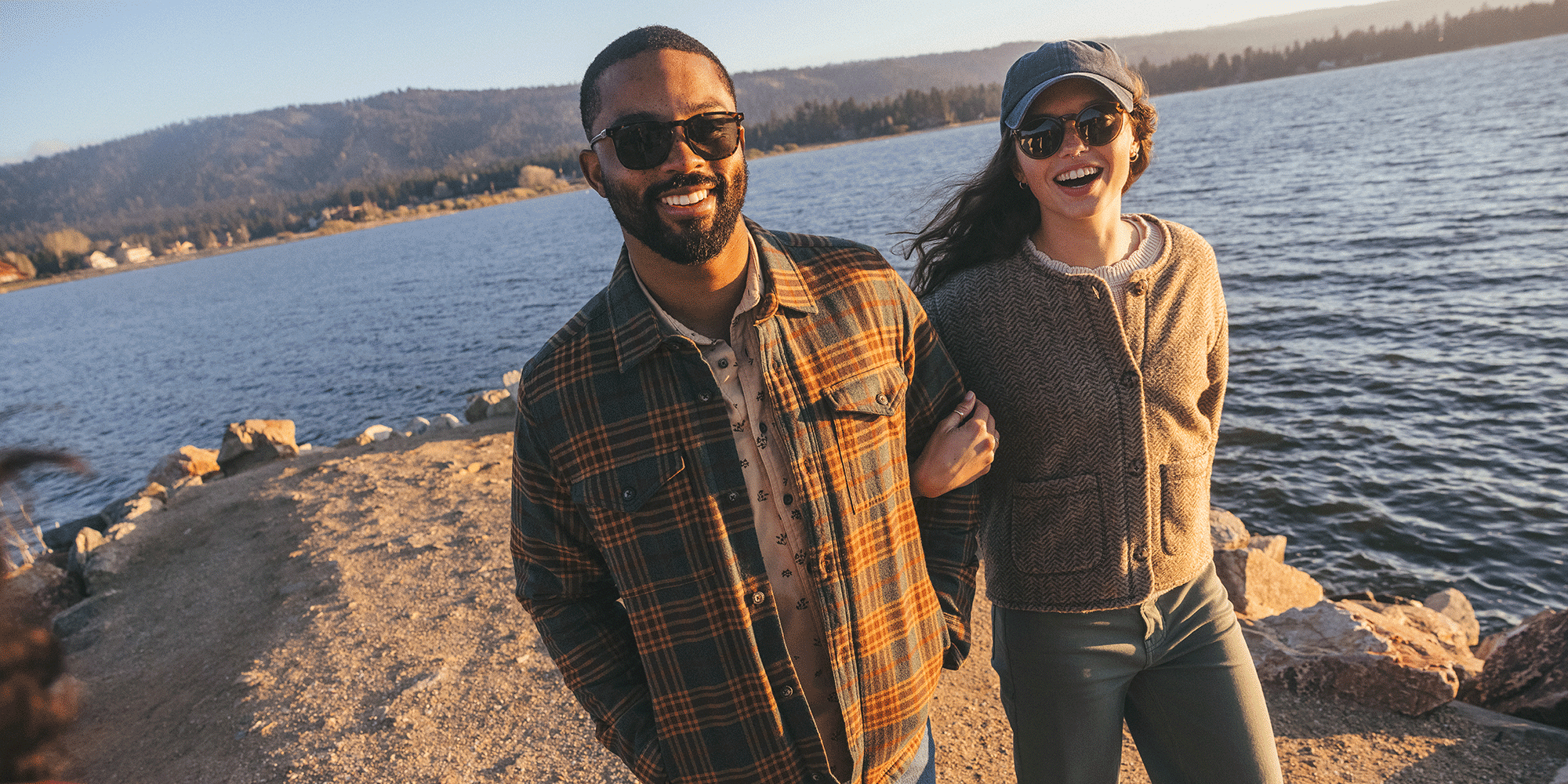
Toad&Co is a US brand working in a more socially and environmentally minded way. Its women’s and menswear is equally suited for the rigours of the trail or the tavern.

Most items are available in sizes XS-2XL.

See the rating.

Shop Toad&Co.

Yes Friends

Rated: Great
Yes Friends creates more affordable clothing ranging from tees to denim in solar-assisted factories, and uses lower-impact materials.

See the rating.

Shop Yes Friends.

Threads 4 Thought

Rated: Good
Modern lifestyle brand creating high-quality, responsibly made everyday essentials with a focus on lower-impact materials and thoughtful design.

See the rating.

Shop Threads 4 Thought.

Harvest & Mill

Rated: Great
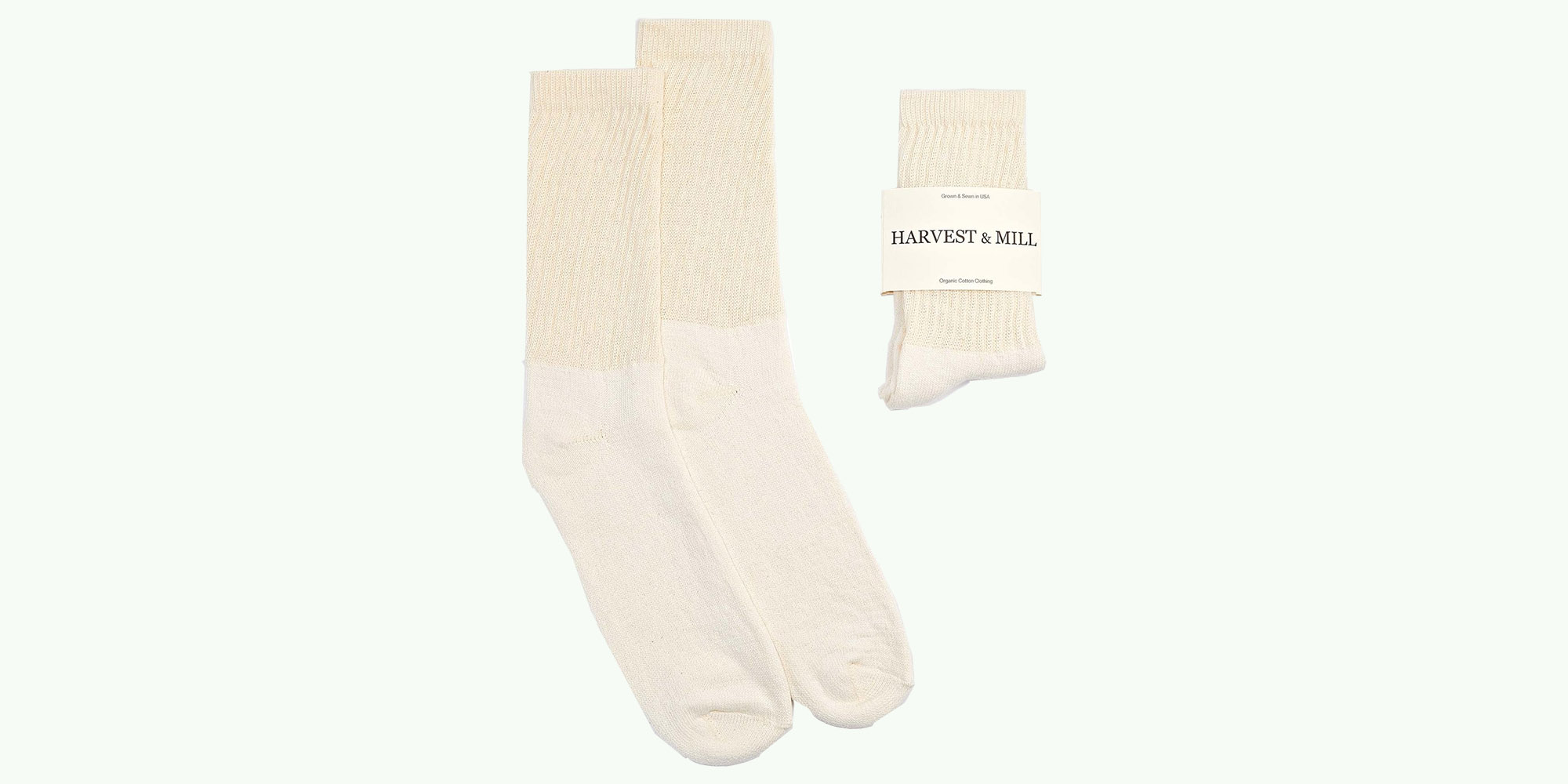
Harvest & Mill sustainable socks pack in ivory

Harvest & Mill pieces are grown, milled, and sewn exclusively in the US, supporting American organic cotton farmers and local sewing communities. The brand makes basics for everyone, always ensuring they are not dyed or bleached, greatly reducing the use of water, energy, and dye materials. Even better, by cultivating different varieties of cotton, the brand is able to bolster biodiversity, which is essential for ensuring healthy ecosystems and keeping our planet resilient in the face of climate change.
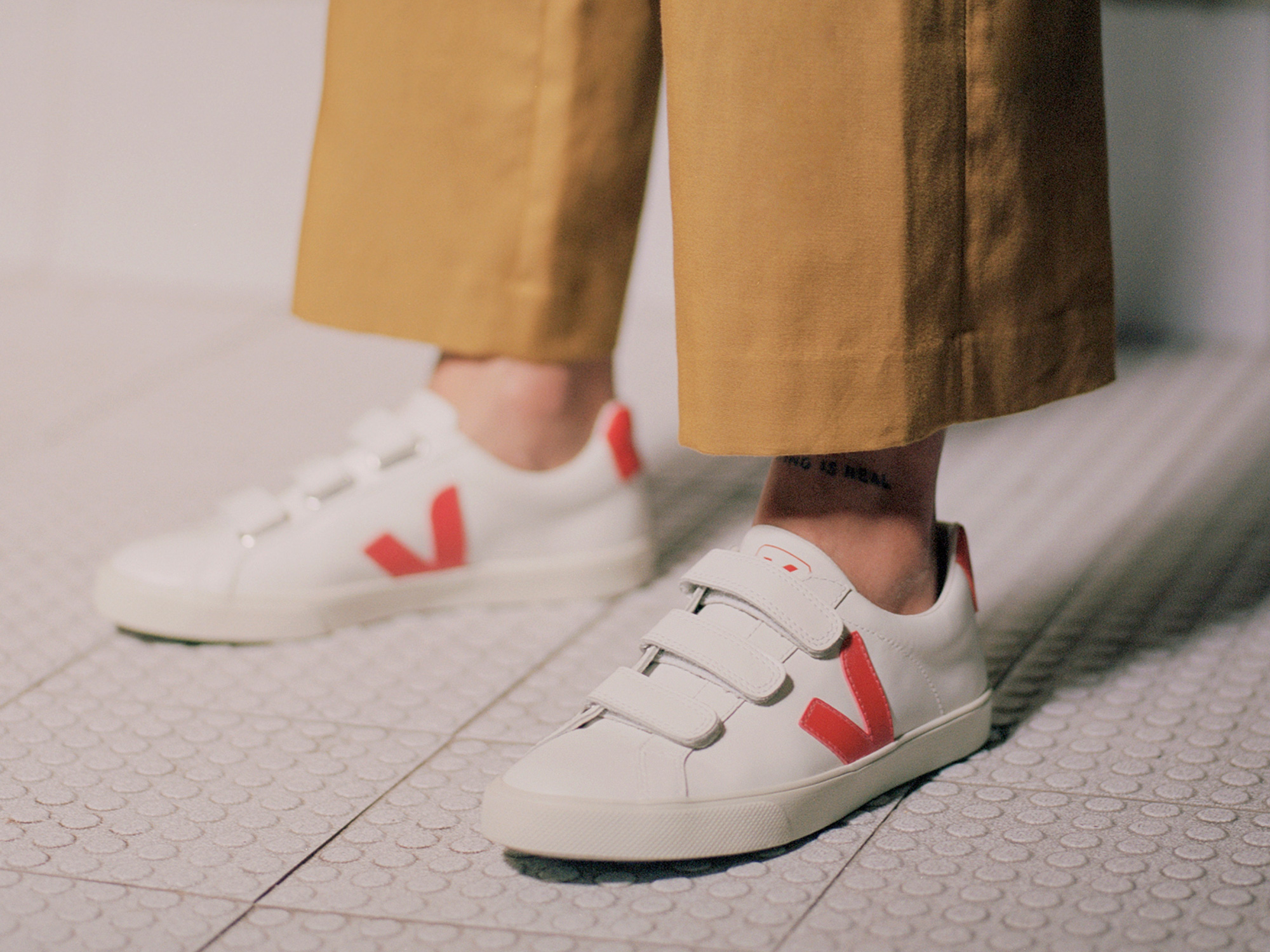
Shop the range in sizes S-XL.

See the rating.

Shop Harvest & Mill.

Colorful Standard

Rated: Good

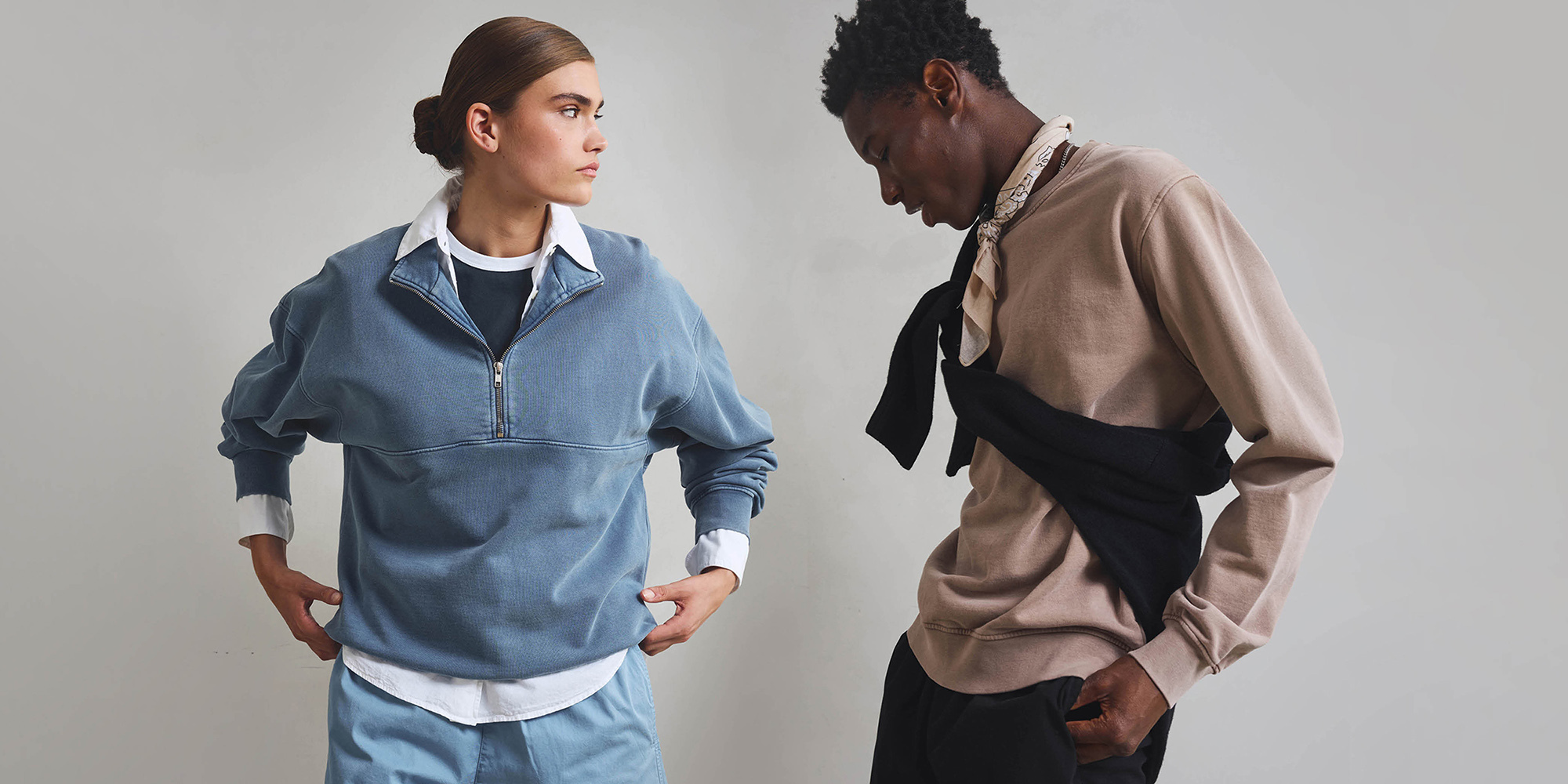
Colorful Standard is a Danish clothing brand that makes organic fashion essentials for men and women. The brand doesn’t care much for seasons or trends, instead, it creates timeless and long-lasting products to avoid the downward spiral that is over-consumption.

Find most items in sizes XS-2XL.

See the rating.

Shop Colorful Standard.

Dedicated

Rated: Good

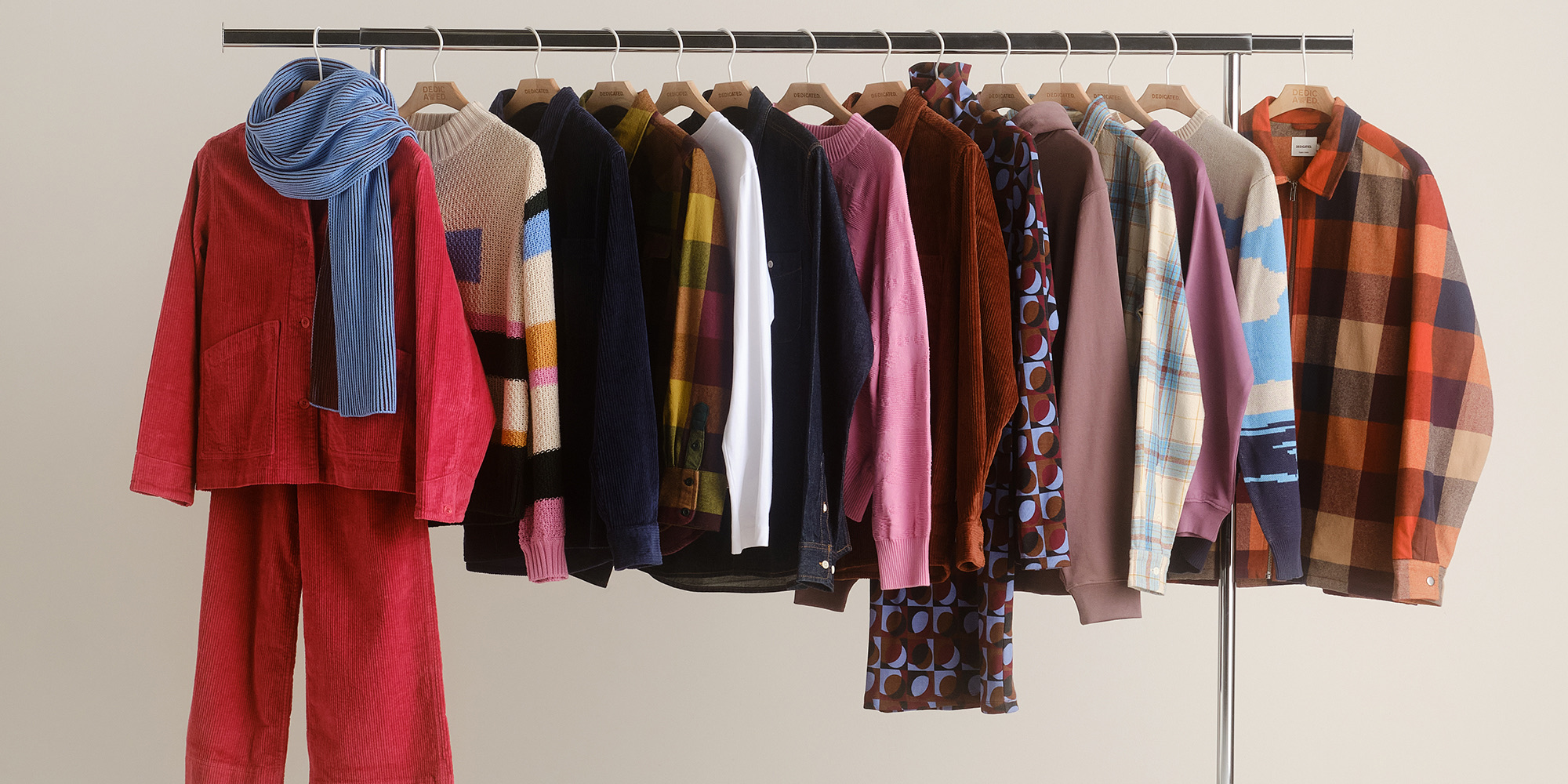
Dedicated is a Swedish casualwear brand prioritising lower impact materials.

Find the clothes in XS-XL.

See the rating.

Shop Dedicated.

Shop Dedicated @ Earthkind.

Shop Dedicated @ Shop Like You Give a Damn.

Q for Quinn

Rated: Good

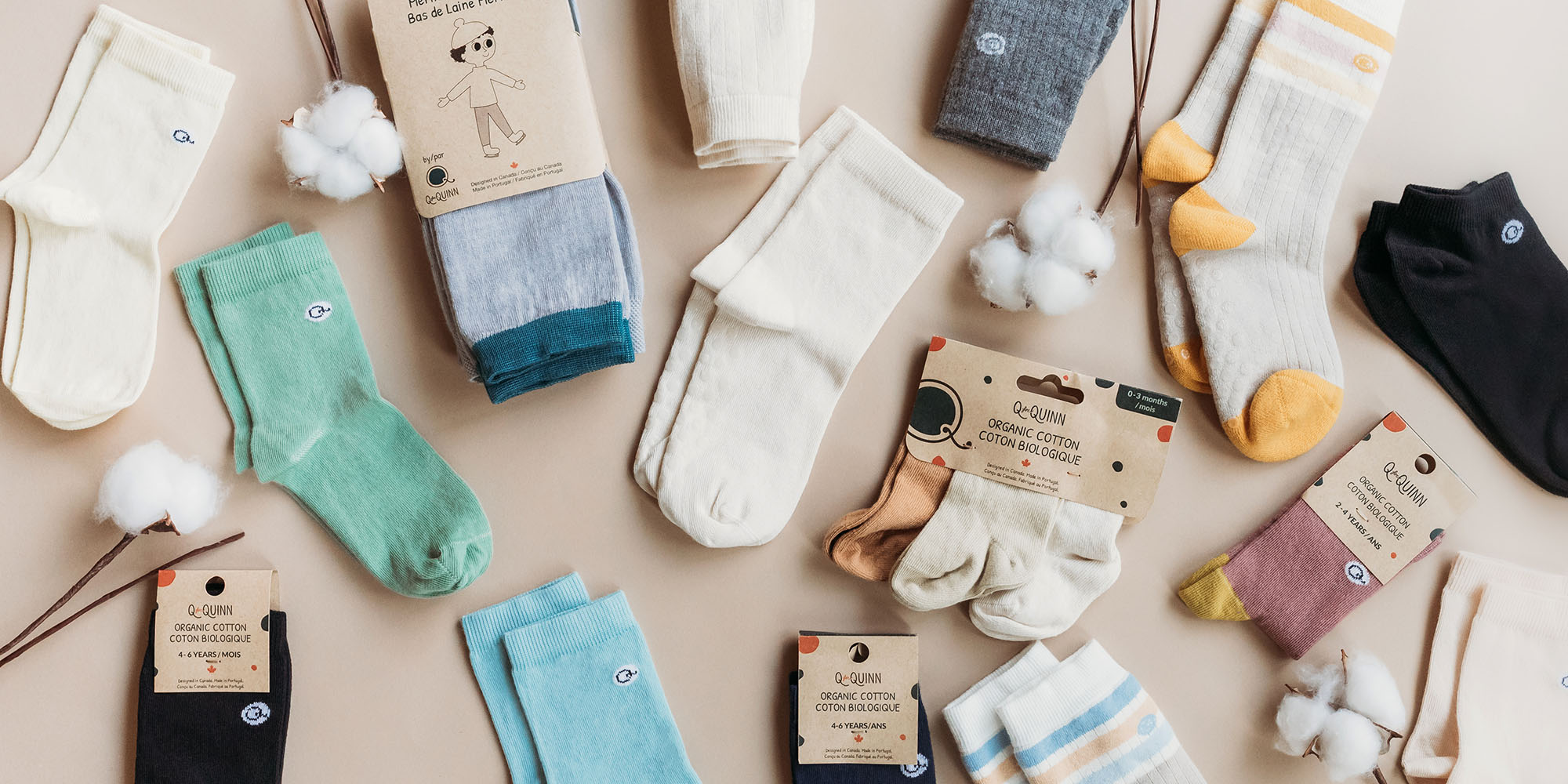
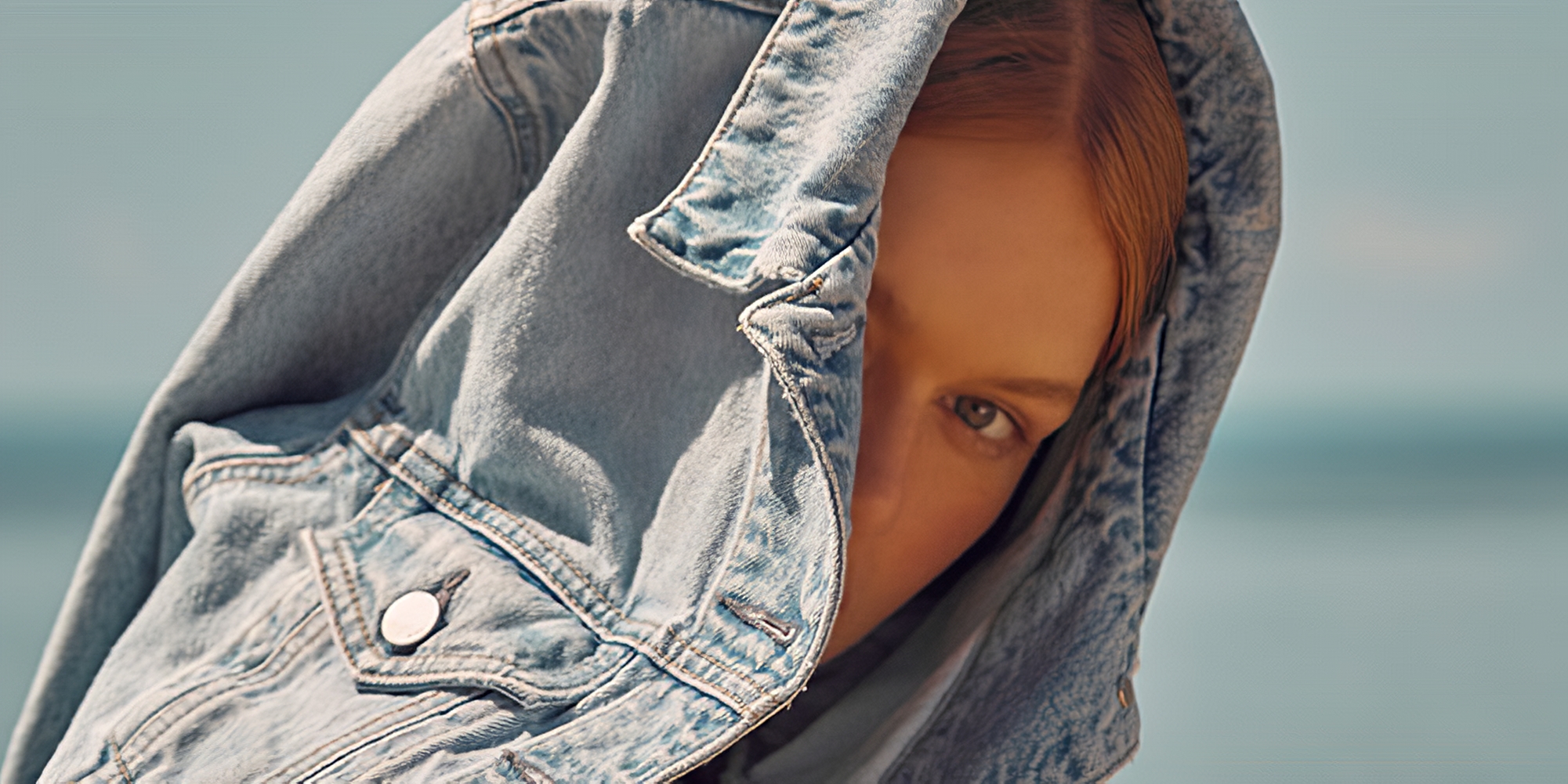
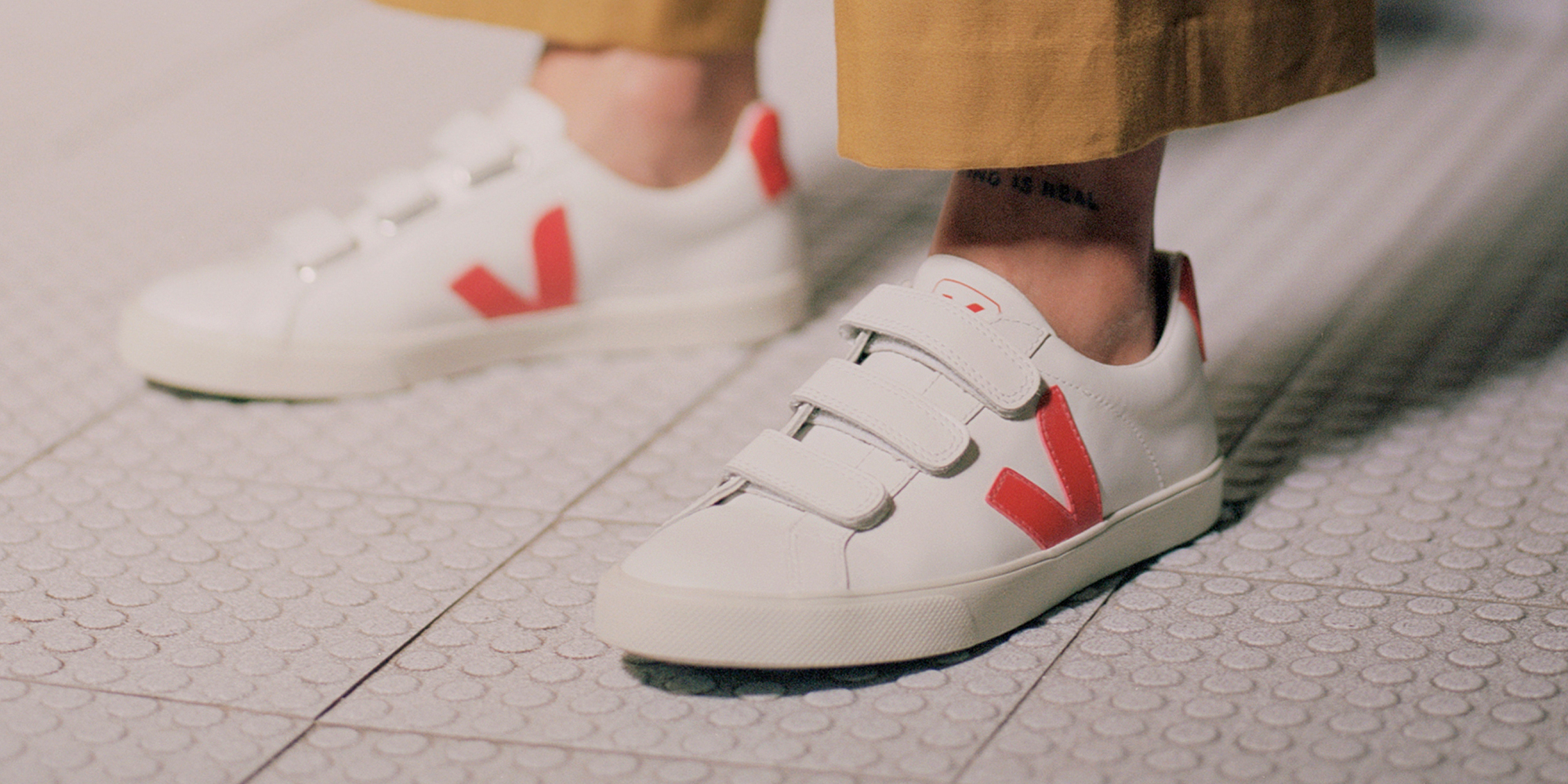
Q for Quinn offers more sustainable, non-toxic, and eczema-friendly clothing for all ages. Its essentials are made using organic, more responsibly sourced materials.

See the rating.
Shop Q for Quinn.

Sheep Inc

Rated: Good
woman wearing Sheep Inc sweater

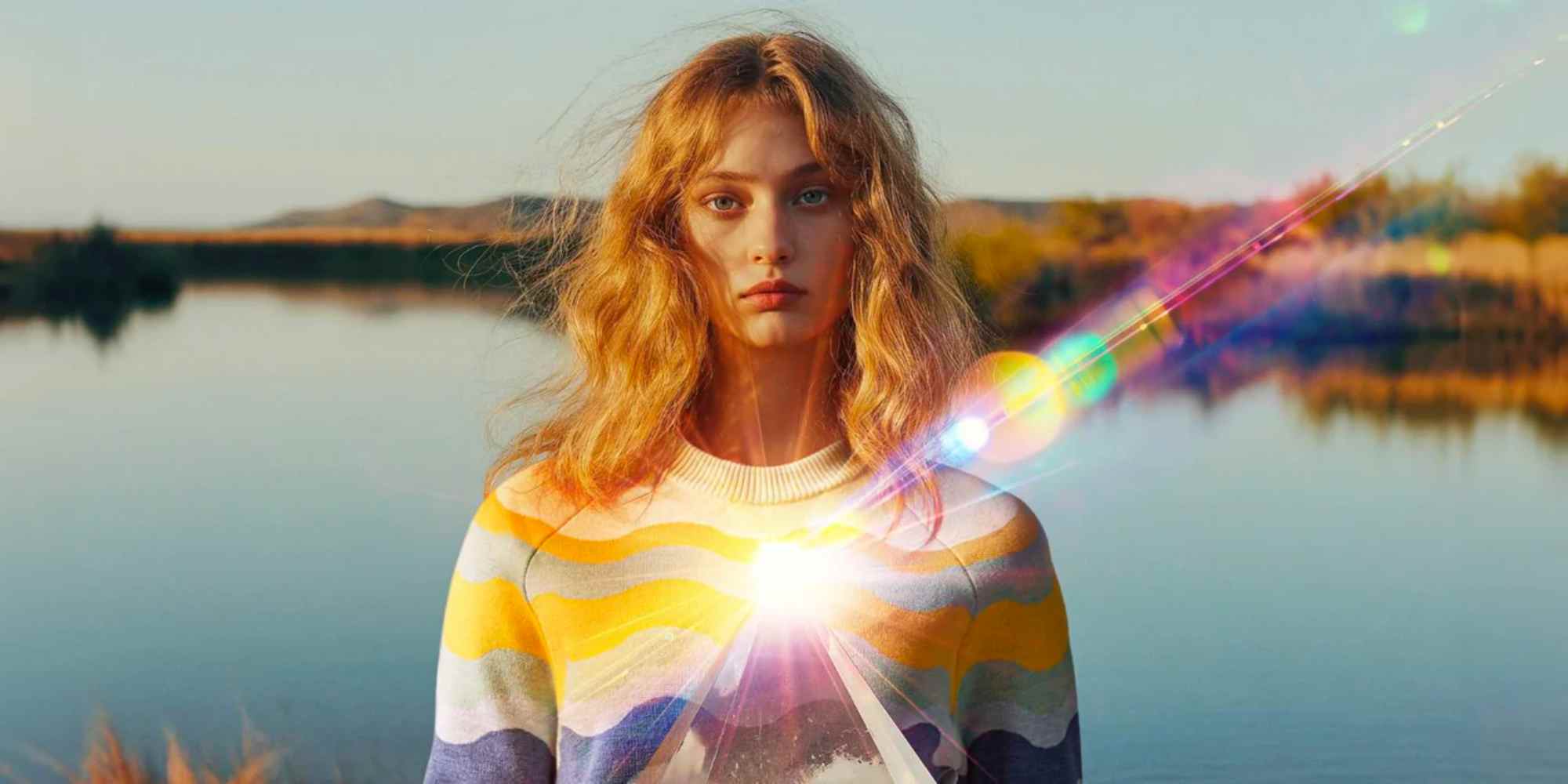
Sheep Inc is a more sustainable knitwear brand focussed on responsibly sourcing the finest merino wool. Its founding principles are “respect for nature and a shared belief in the power of innovation… harmony with the environment and animal welfare.”

Find most garments in XS-2XL.

See the rating.

Shop Sheep Inc.

SeamsFriendly

Rated: Good

Offers

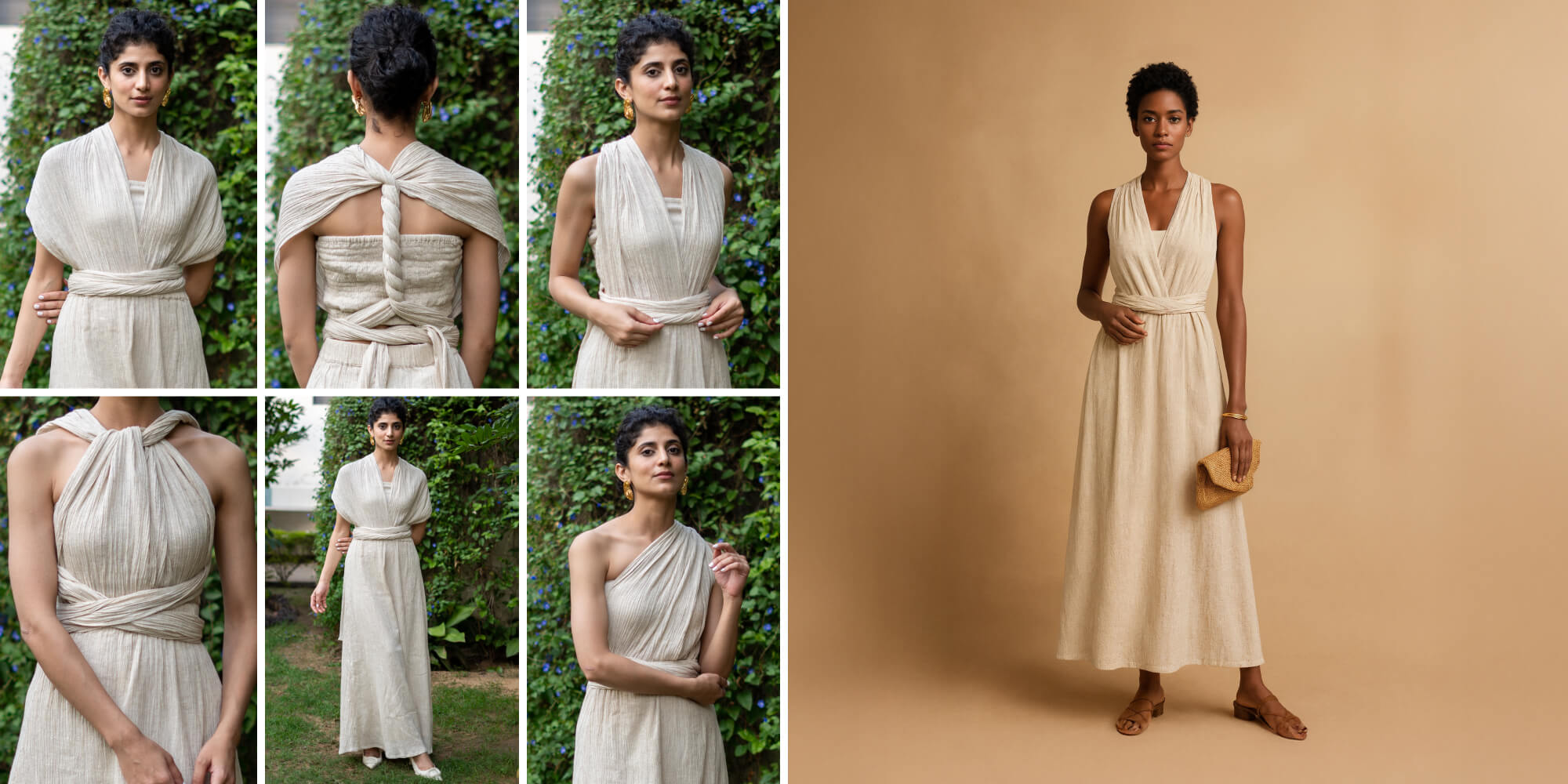
SeamsFriendly – Reversible and Convertible Clothing

The most sustainable wardrobe is a smaller one. These pieces flip, convert, and transform. Multiple looks from one garment. Handcrafted in natural fabrics. Exclusive 10% off with code SF-GY10   (Ends: 12 OCT)

Checkout code: SF-GY10
Shop now

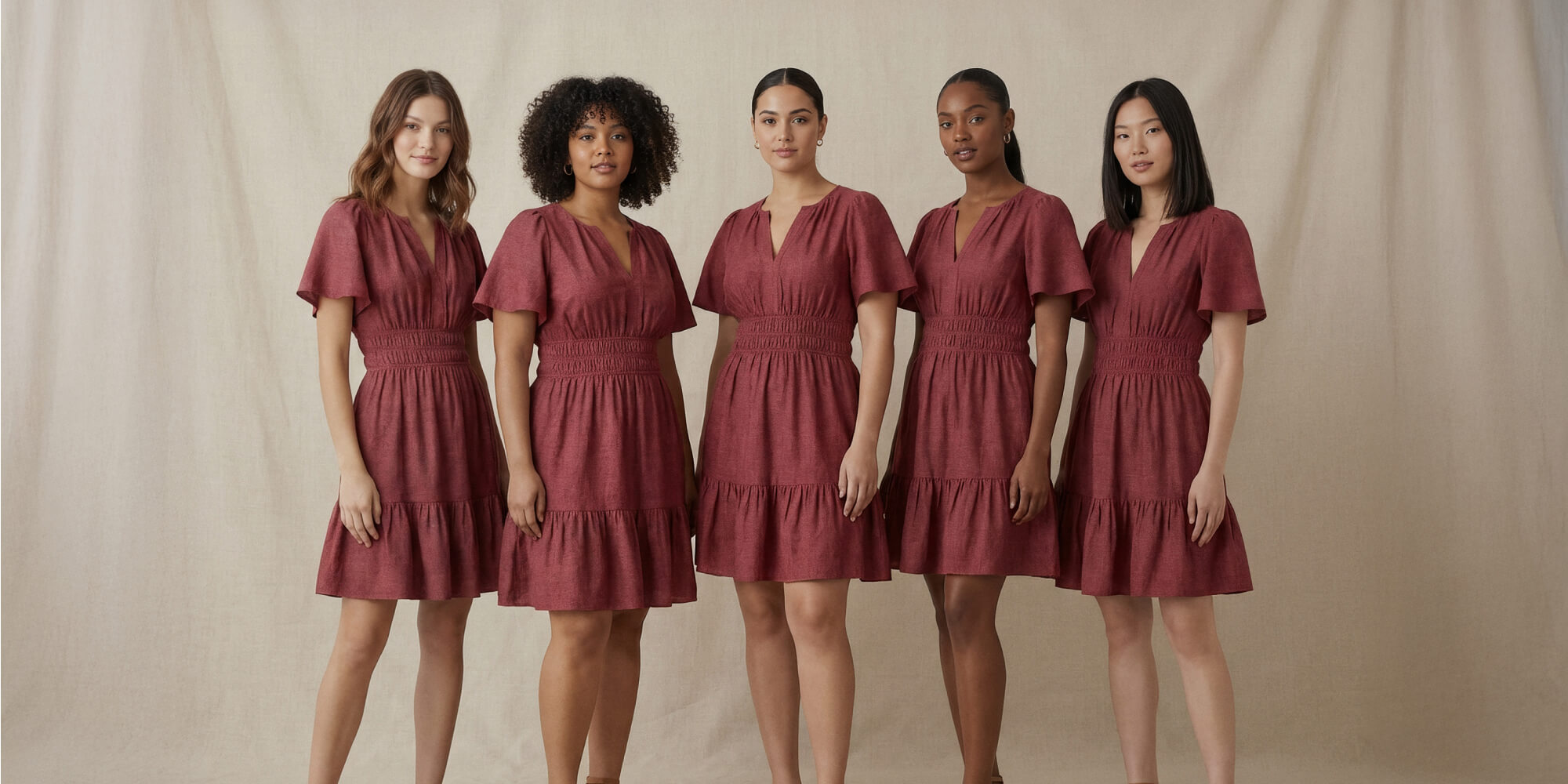
SeamsFriendly – Most Loved Designer Styles

These styles have been custom-made for hundreds of women, each to her exact measurements. Not off-the-rack. Made by artisans, made when you order, made for you. Exclusive 10% off with code SF-GY10 (Ends: 12 OCT)

Checkout code: SF-GY10
Shop now

SeamsFriendly – Jumpsuits and Rompers for Women

Jumpsuits are impossible to fit off the rack. SeamsFriendly will make one that actually fits your body. Exclusive 10% off with code SF-GY10 (Ends: 12 OCT)

Checkout code: SF-GY10
Shop now

SeamsFriendly – Customizable Clothing for Women

Handcrafted to your exact measurements in natural fabrics. No inventory. Made only when you order. Only yours. Exclusive 10% off with code SF-GY10 (Ends: 12 OCT)

Checkout code: SF-GY10
Shop now

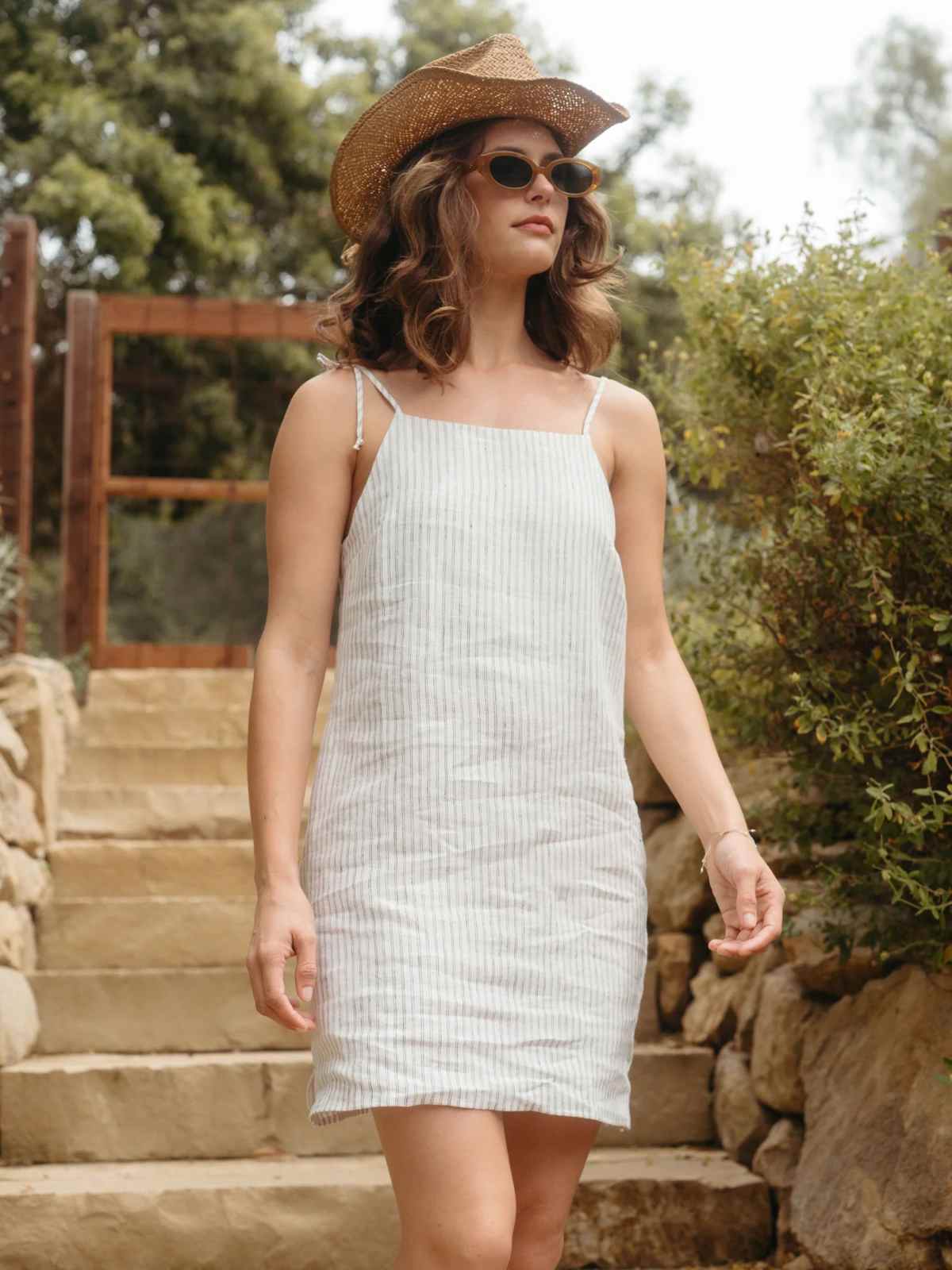
SeamsFriendly creates beautiful tailored pieces for all body types. It focuses on function and utility in its designs and uses lower-impact materials like organic cotton and linen. What’s more, shoppers can customise the brand’s designs to their exact preferences—change the neck style, depth, sleeve length, garment length, fabric, and more on anything in its array of clothes.

The brand’s product sizing is customisable (for womenswear: bust size range 26″-70″, waist size range 19″-63″, including petite, regular, and tall heights; and for menswear: chest size 34″ to 76″ and above with free custom sizing) to ensure you always find the perfect fit.  There’s a kids range (bust: 18″-28″, waist: 19″-26″) available too.

See the rating.

Shop SeamsFriendly with 10% off (automatically applied at checkout).

ESSĒN

Rated: Good
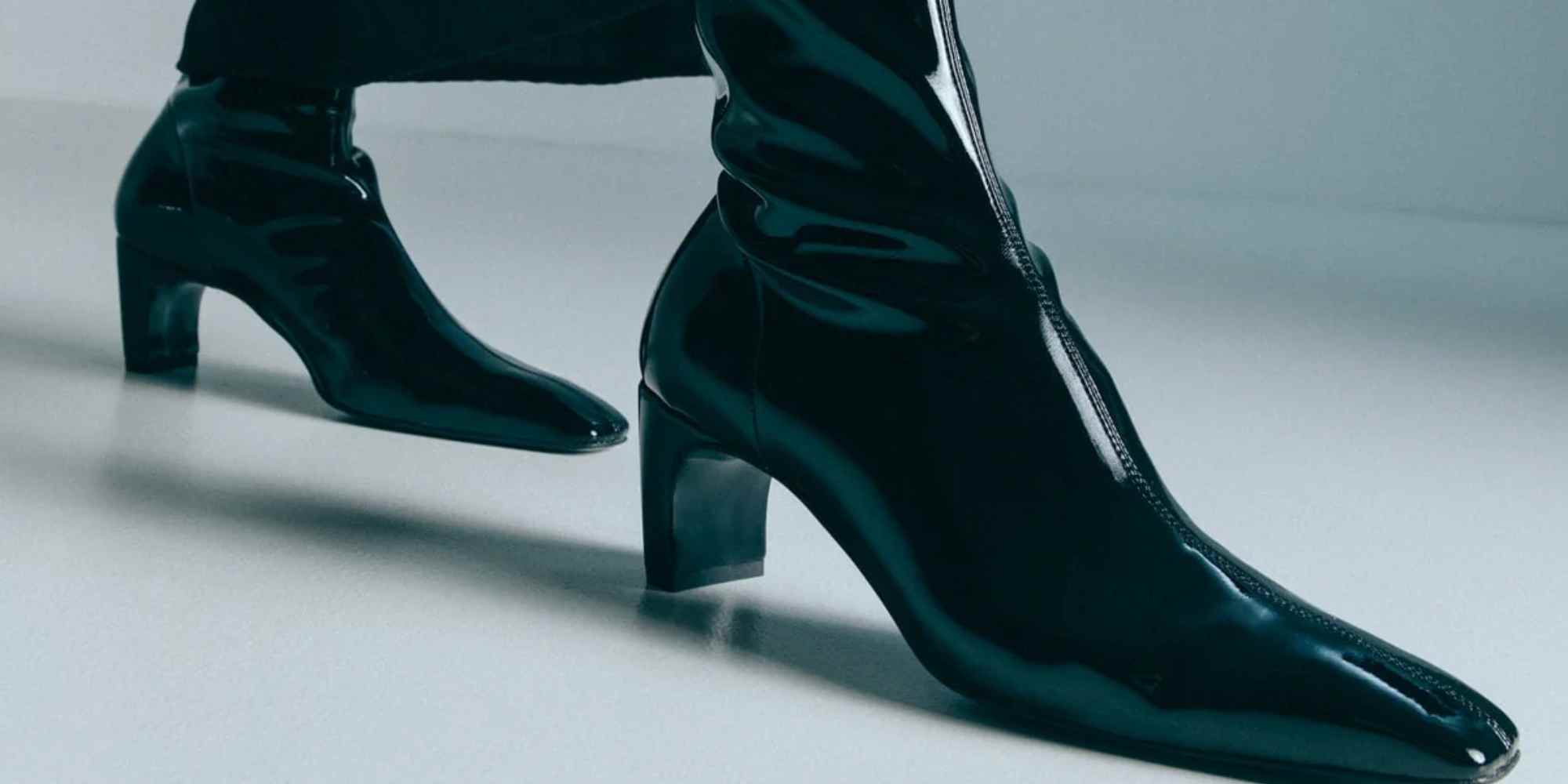
Essen patent leather boots

ESSĒN offers limited edition, minimalist footwear including sandals, boots, and heels.

See the rating.

Shop ESSĒN.

NAE

Rated: Good

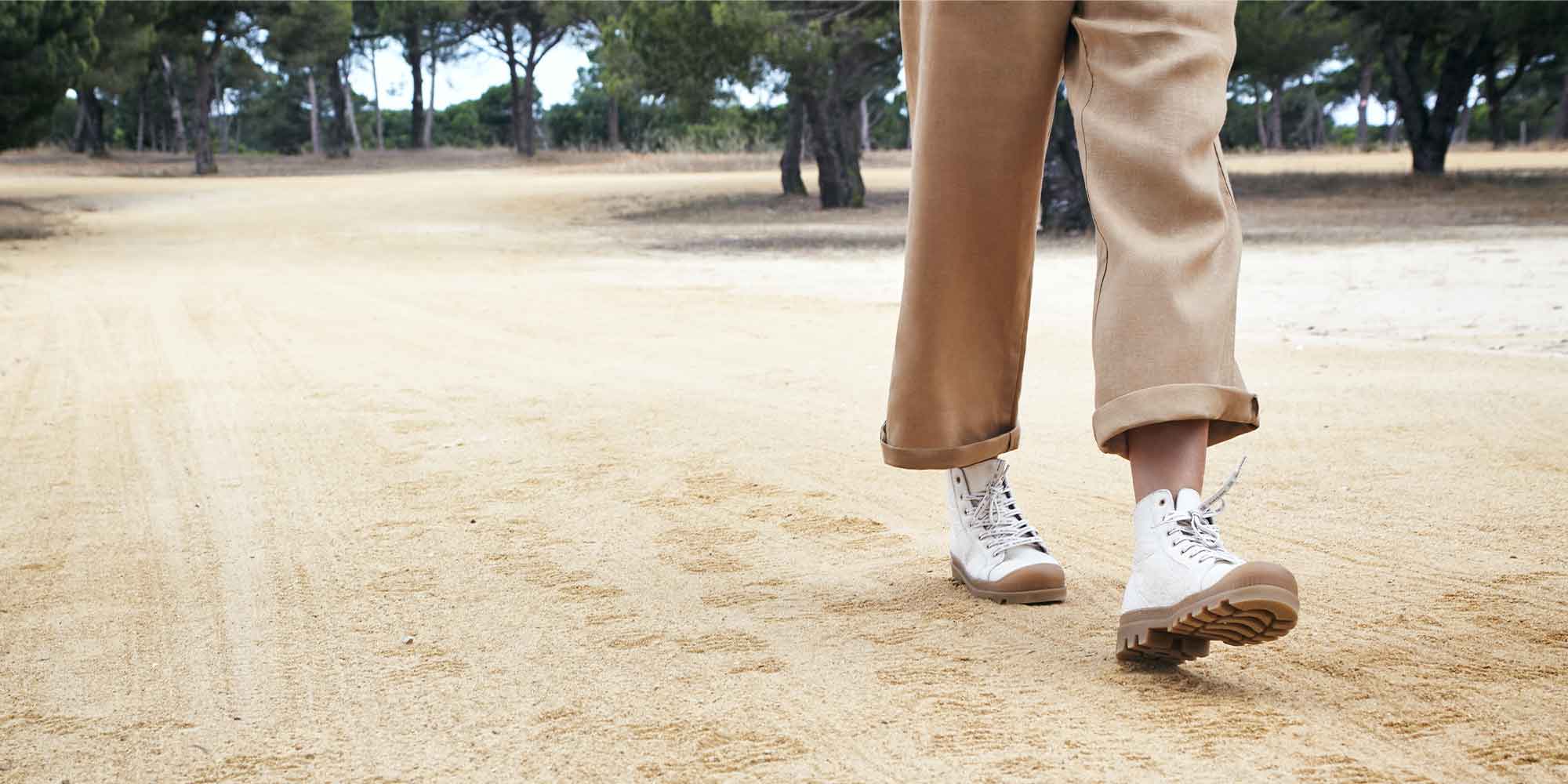
NAE is a Portuguese footwear, bags, and accessories brand using innovative materials to create goods with “No Animal Exploitation”. Its lower-impact materials include recycled PET from bottles, OEKO-TEX® certified microfibres, recycled car tyres, natural cork, recycled thermoplastic, and even pineapple leaf fibre.

Find most of the shoes in sizes 36-46.

See the rating.

Shop NAE.

Shop NAE @ Urbankissed.

Shop NAE @ Shop Like You Give a Damn.

Bhumi

Rated: Great
People in shirts by Bhumi.

Bhumi creates clothes using fairtrade organic cotton.

Find the clothes in sizes XS-XL.

See the rating.

Shop Bhumi.

Printfresh

Rated: Good

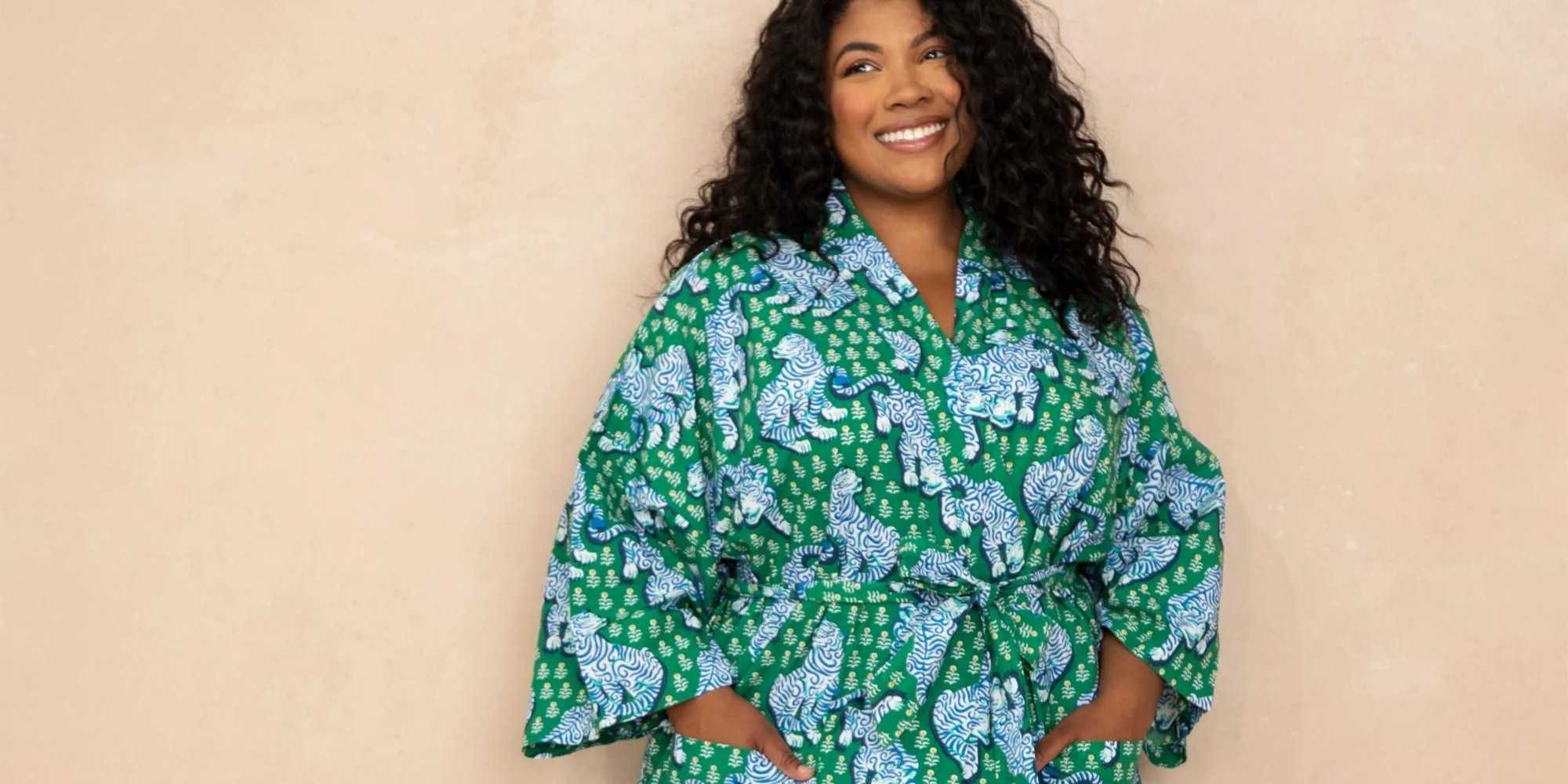
US-based Printfresh was founded in 2016 by textile designer and fashion entrepreneur Amy Voloshin and her husband (and business partner) Leo Voloshin. A majority woman-owned business, Printfresh is a collection of sleepwear, apparel, and lifestyle items inspired by plants, animals, and home décor.

Find Printfresh pieces in sizes 2XS-6XL.

See the rating.

Shop Printfresh.

ettitude

Rated: Good

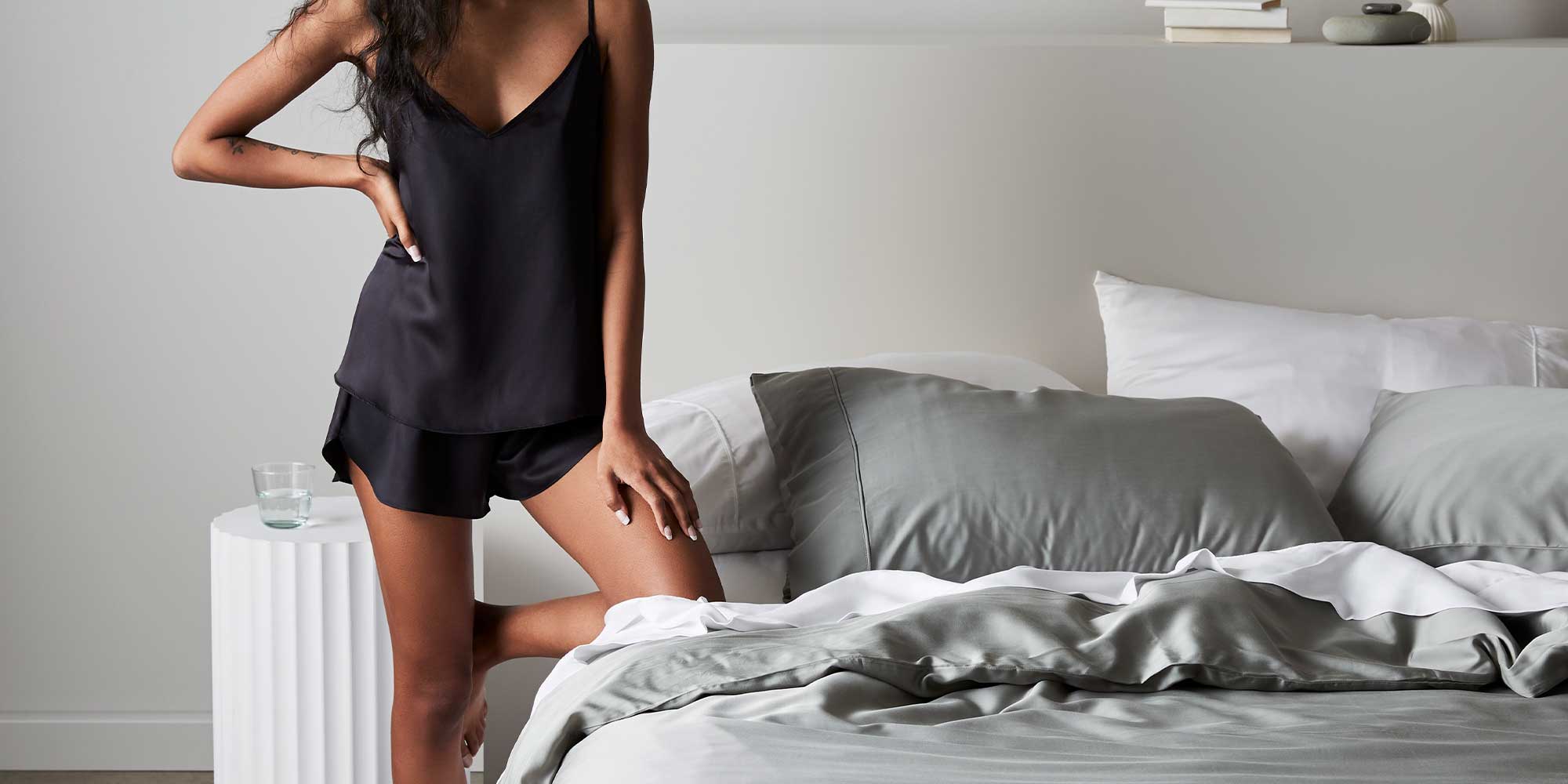
ettitude makes bath and bedding items using lower-impact materials.

Find most clothing in S-XL.

See the rating.

Shop ettitude.

The Ethical Silk Company

Rated: Good

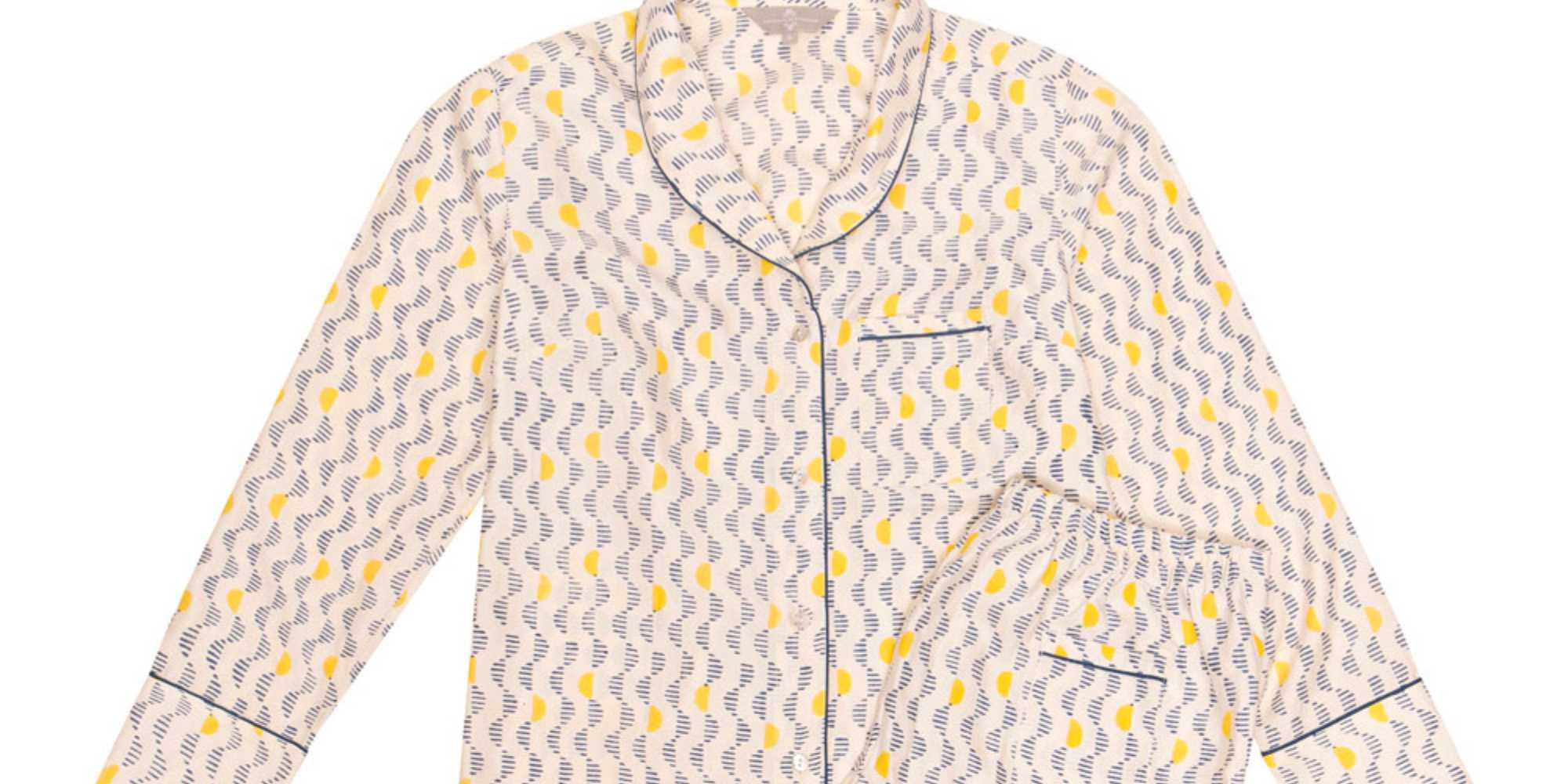
The Ethical Silk Company create sleepwear and accessories using peace silk (non-violent silk).

See the rating.

Shop The Ethical Silk Company.

Shop The Ethical Silk Company @ Lovebrook & Green.

Kotn

Rated: Good
two models in Kotn clothing

Kotn makes stylish ready-to-wear clothing.

Find Kotn in sizes XS-2XL.

See the rating.

Shop Kotn.

Aster & Oak

Rated: Good
baby girl wearing black and white floral print sustainable dress by Aster & Oak

Aster & Oak is a West Australian brand that offers a unique collection of soft, certified organic cotton baby clothes and bedding.

See the rating.

Shop Aster & Oak.

Pop My Way

Rated: Good

Pop My Way is a GOTS certified brand that features mix and match baby essentials that are designed to “pop” onto the garment. This UK brand’s modular and versatile designs take the stress out of getting your little one dressed with mix and match elements you can switch in and out for ease or occasion.

See the rating.

Shop Pop My Way.

Oobi

Rated: Good

Offers

Oobi – Full priced

Girls clothes in bright, breathable cotton for babies, girls and tweens. Exclusive 25% off with code OOBIGOODONYOU (Sale items excluded.) (Ends: 7 OCT)

Checkout code: OOBIGOODONYOU
Shop now

Oobi is an Australian girl’s fashion, swimwear, homewares, and lifestyle brand. In addition to creating stylish clothes for children, the brand makes sure it uses low-impact non-toxic dyes throughout its range. It also uses no animal products and opts for sea freight to transport products to reduce its climate impact.

See the rating.

Shop Oobi with 15% off (automatically applied at checkout).

Shop Oobi pre loved @ Retykle.

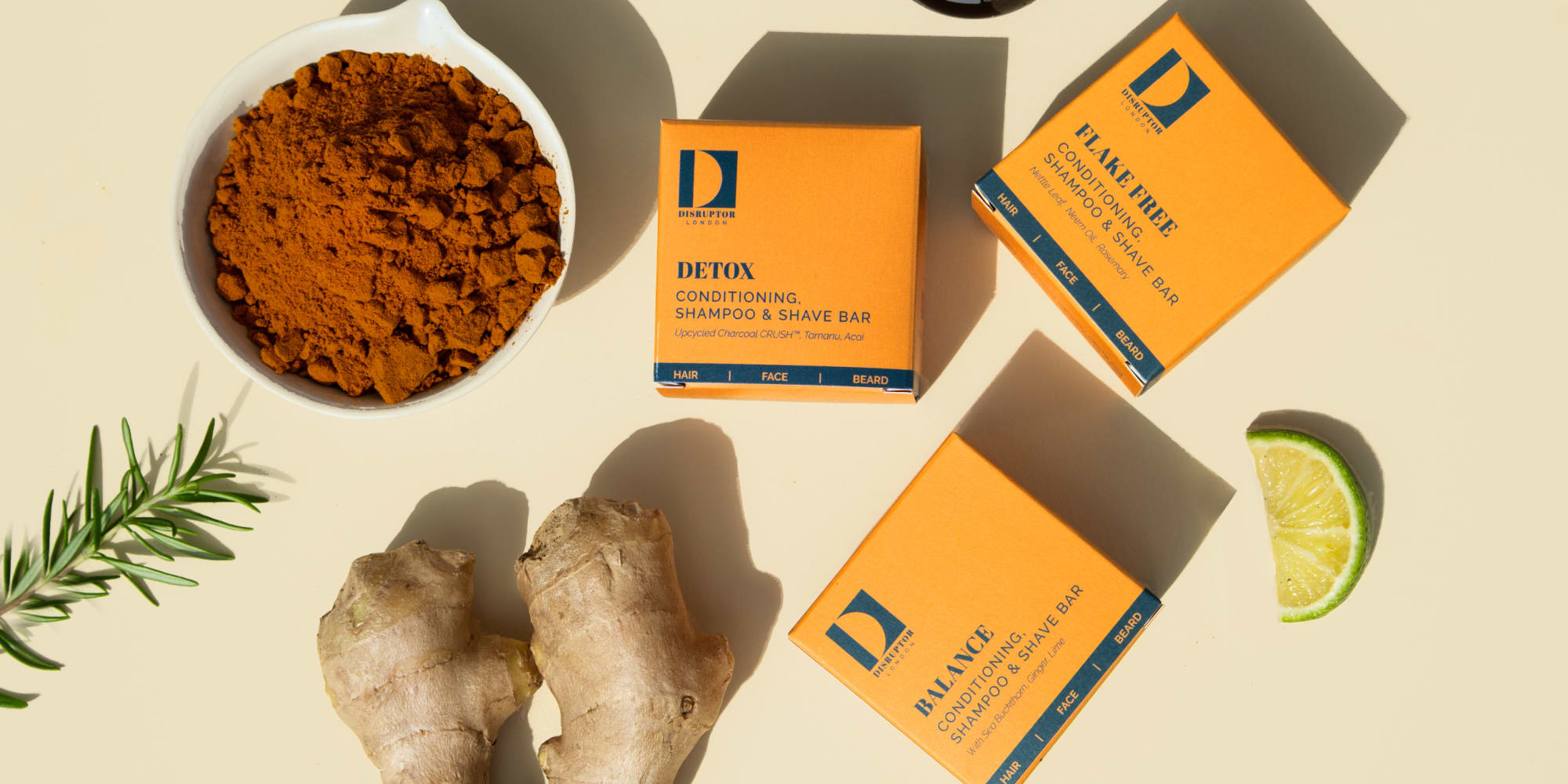
Disruptor London

Rated: Great

Disruptor London is a PETA approved vegan beauty brand that aims to replace unsustainable personal care products with lower-impact ones produced according to five key principles: in­gre­di­ent trans­paren­cy; re­spon­si­ble con­sump­tion; wa­ter­less for­mu­las; re­spon­si­ble man­u­fac­tur­ing; and plas­tic-free pack­ag­ing.

Shop Disruptor London.

See the rating.

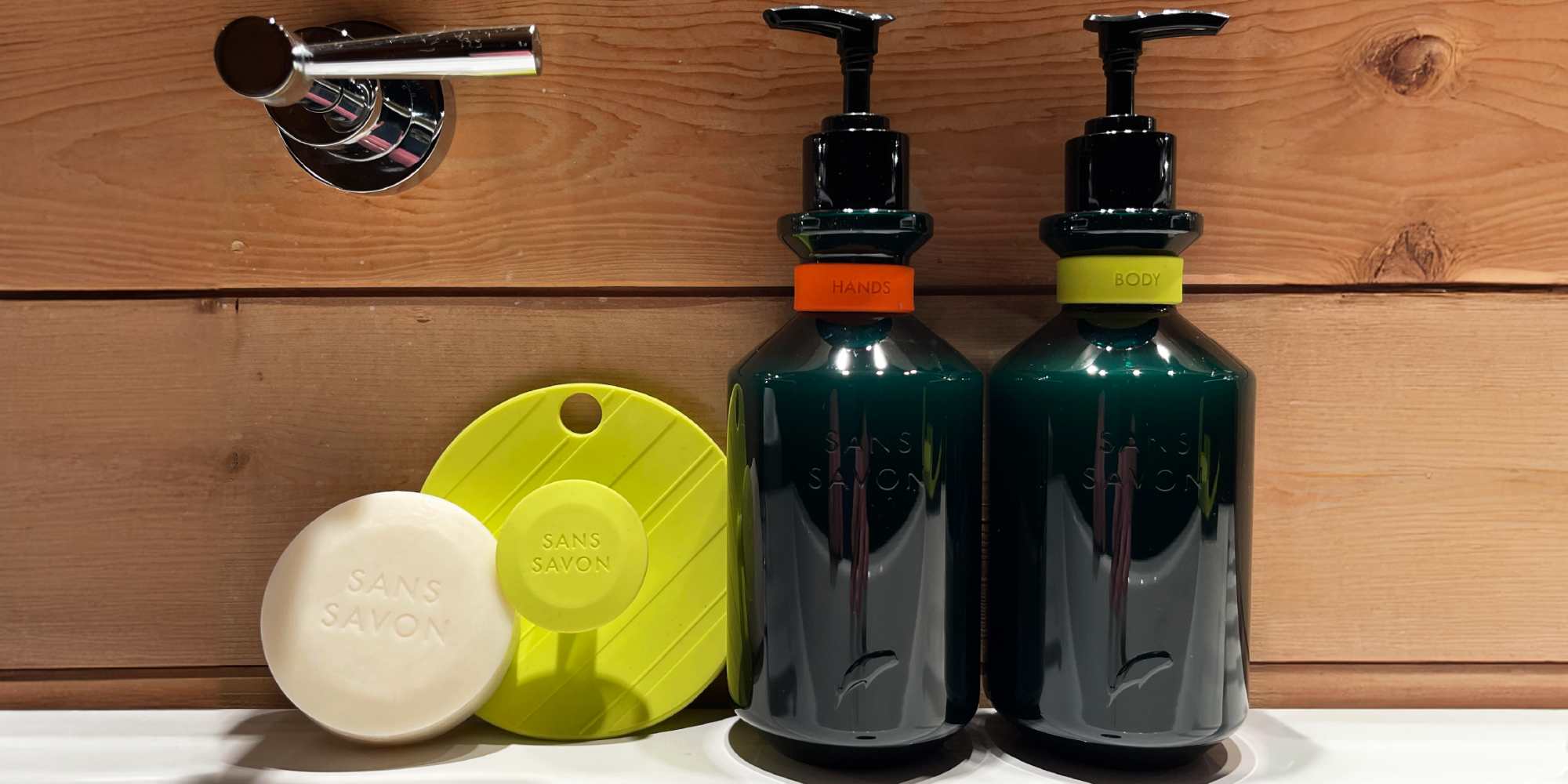
Sans Savon

Rated: Good

Sans Savon is the body and hand wash alternative to soap. Better for you, your skin, and the Earth.

See the rating,

Shop Sans Savon.

Editor's note

Feature Image via Unsplash, all other images via brands mentioned. Good On You publishes the world’s most comprehensive ratings of fashion and beauty brands’ impact on people, the planet and animals. Use our directory to search thousands of brands.

We updated this article on 16 September 2025. Our editors frequently make updates to articles to ensure they’re up to date. We refreshed our sources and information about Marks & Spencer’s rating to reflect its most recent review, and updated the list of alternatives to include brands with recent ratings.

Ethical brand ratings. There’s an app for that.

Wear the change you want to see. Download our app to discover ethical brands and see how your favourites measure up.